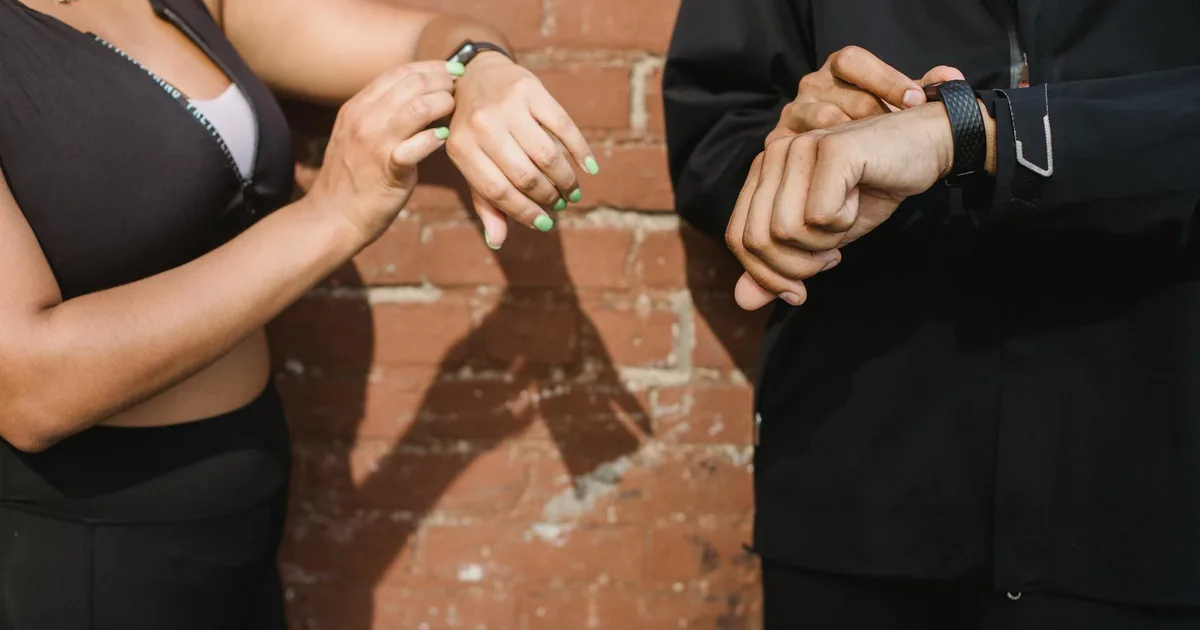
The wearable market split into two distinct categories between 2023 and 2026. On one side: smartwatches with screens, apps, and notifications. On the other: a growing class of screenless AI wearables - rings, glasses, earbuds, fitness bands - that prioritize passive intelligence over active interaction. Both sit on your body. Both connect to your phone. But they solve different problems, and buying the wrong one is a common and expensive mistake.
This guide covers the full April 2026 landscape: what's available, what each category actually does well, and how to decide which belongs on your body - or whether you need both.
Defining the Categories in 2026
AI Wearables: Ambient Intelligence, No Screen Required
An AI wearable uses machine learning as its primary function, not as a marketing add-on. The device either collects biometric data and interprets it with AI, or it acts as a hands-free AI interface. The defining characteristic is that you interact with it passively - it works while you live your life.
The main AI wearables on the market in April 2026:
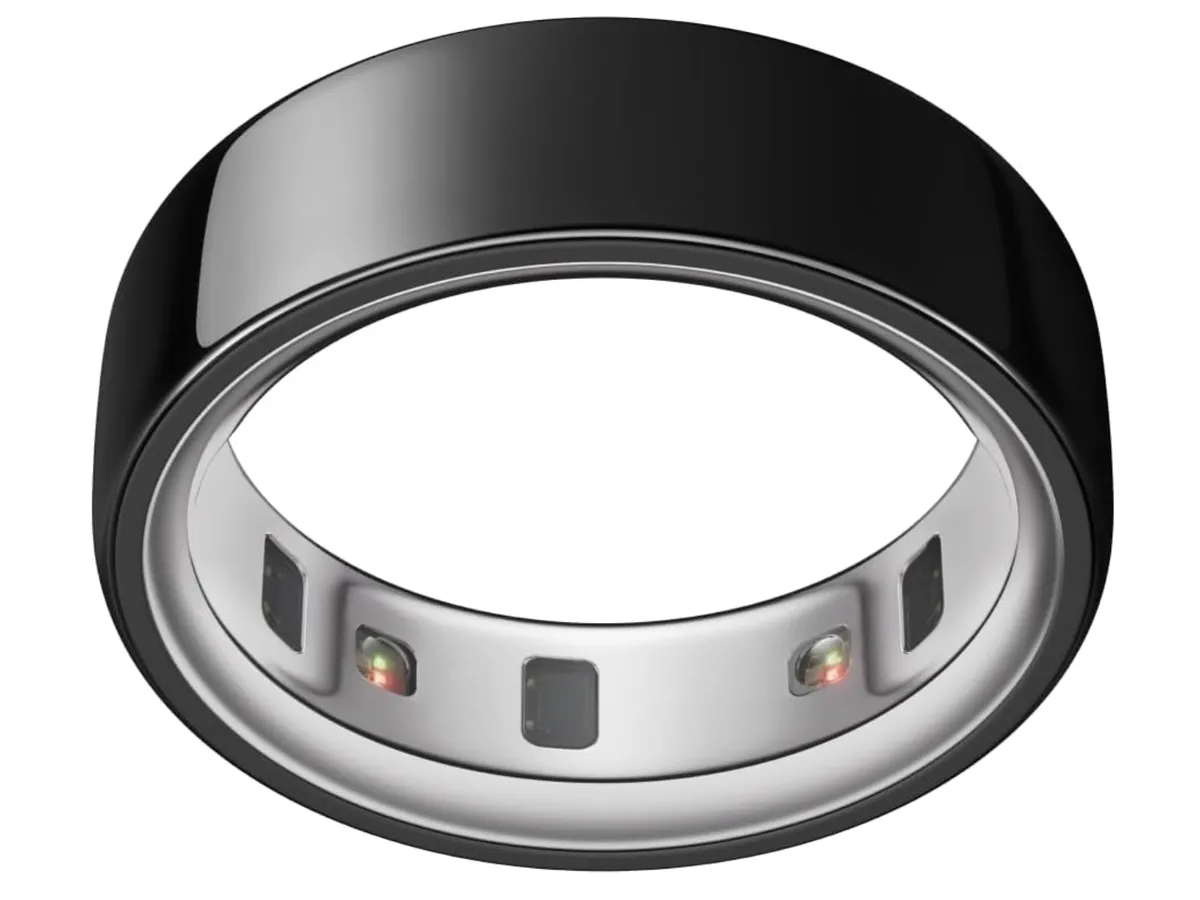
4 ($349 + $5.99/month) - continuous heart rate, HRV, skin temperature, SpO2, sleep staging, and daily Readiness Score. No screen, 7-day battery. Illness prediction and longitudinal health pattern analysis are the AI standouts.
Whoop 5.0 ($199-$359/year subscription, device included) - 14-day battery, continuous strain and recovery tracking, no display, worn on wrist or upper arm. Targeted at athletes. The most detailed continuous physiological load tracking in the consumer category.
AirPods Pro 3 ($249) - H3 chip, FDA-cleared Hearing Aid mode, Conversation Awareness, Personalized Spatial Audio, and Apple Intelligence integration for hands-free Siri. Released September 2025.
Google Pixel Buds Pro 2 ($229) - real-time translation in 49 languages, on-device Gemini AI via Tensor A1 chip, in-ear heart rate monitoring, 8-hour battery. Still current as of April 2026 with no successor announced.
Meta Ray-Ban Display Model ($499) - Meta AI assistant via voice, small in-lens LED display for notifications and AR overlays, 12MP camera, four-mic array. The most capable hands-free AI experience in a glasses form factor as of April 2026.
Ultrahuman Ring PRO ($479) - 15-day battery, no subscription, metabolic health focus with CGM integration. Launched February 2026 as the replacement for the discontinued Ring Air.
Smartwatches: The Screen-First Wrist Computer
A smartwatch is a wrist-worn device with a display that mirrors your phone's functionality, tracks workout metrics, and increasingly monitors health data. AI in smartwatches tends to be interpretive - analyzing data the watch collects and surfacing insights - rather than the primary mode of interaction.
The leading smartwatches in April 2026:
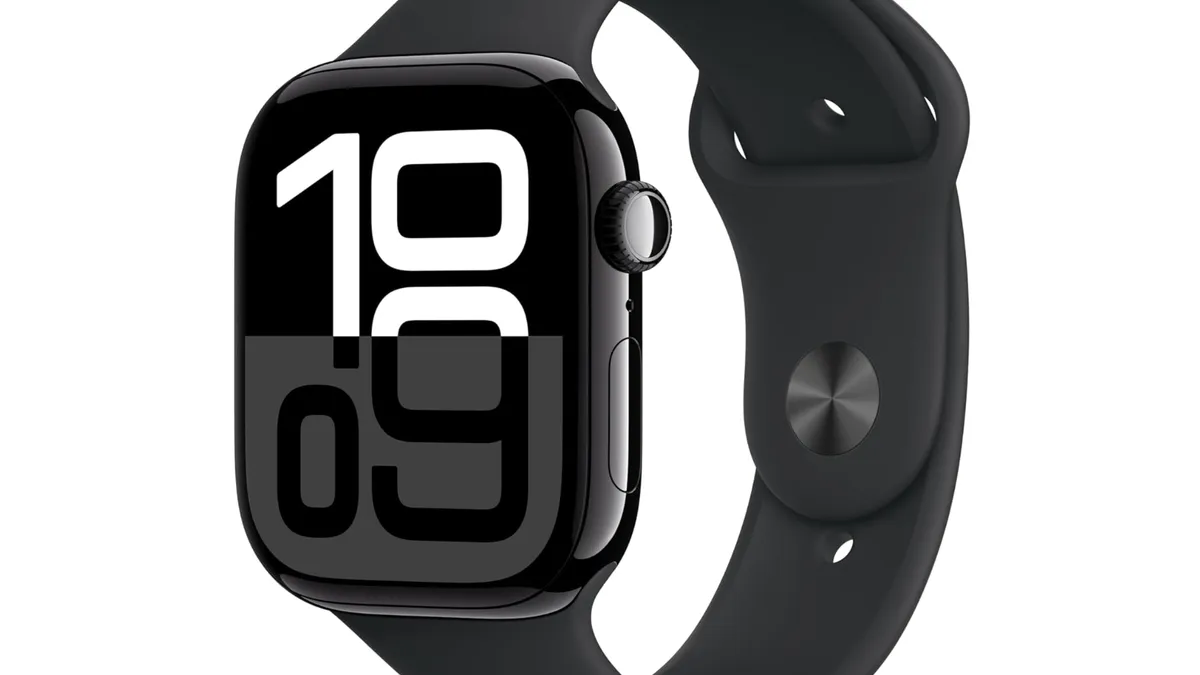
Apple Watch Series 11 ($399) - 24-hour battery life (improved from Series 10's 18 hours), FDA-cleared sleep apnea detection, ECG, AFib notification, crash detection, fall detection, and deep Apple Intelligence integration via watchOS 12.
Samsung Galaxy Watch 8 ($299) - One UI Watch 7 with Galaxy AI, advanced bioelectrical impedance body composition, energy score tracking from Galaxy Ring integration, improved sleep coaching. Android 16 compatible.
Google Pixel Watch 4 ($349) - 30-40 hour battery life (significant improvement over Pixel Watch 3's 24 hours), Fitbit Premium AI coaching, Loss of Pulse Detection (FDA-cleared), Gemini on Wear OS, emergency SOS.
Head-to-Head Comparison
Feature | AI Wearables | Smartwatches |
|---|---|---|
Primary function | Passive biometrics or hands-free AI | Phone extension + active fitness tracking |
Display | None (rings, earbuds, fitness bands) | Always present; AMOLED standard |
Battery life | 7-15 days (rings); 14 days (Whoop 5.0); all-day (earbuds/glasses) | 24 hrs (Watch 11); 30-40 hrs (Watch 4); 40 hrs (Watch 8) |
Sleep tracking | Superior - rings worn through the night comfortably | Good but watch comfort varies; many users remove at night |
Workout tracking | Limited GPS, basic metrics | Full GPS, heart rate zones, 100+ sport modes |
Notifications | Audio-only (earbuds) or none (rings) | Full display with reply options |
App ecosystem | Minimal or companion-app only | Extensive (watchOS, Wear OS) |
Hands-free AI | Native (glasses, earbuds) | Voice only via wrist raise |
Emergency detection | None (most AI wearables) | Fall detection, crash detection, Loss of Pulse, ECG |
Price range | $229-$499 device; some add subscriptions | $299-$399 |
Charging frequency | Weekly to fortnightly (rings); daily (earbuds/glasses) | Daily to every other day |
Social visibility | Low (ring/earbuds) to moderate (glasses) | High - visible fashion item on wrist |
Where AI Wearables Have a Clear Advantage
Sleep Tracking Accuracy and Compliance
Rings are better for sleep data than watches for two reasons: comfort and sensor position. The finger has a dense vascular network that produces cleaner optical heart rate and SpO2 readings. And most people take watches off at night, which makes the data disappear. Oura Ring 4 tracks sleep stages, respiratory rate, HRV, and skin temperature continuously without you noticing it is there. Apple Watch Series 11 has improved sleep tracking, but the comfort gap is real - Apple Watch generates meaningful user complaints about overnight wrist discomfort that rings simply do not face.
The Ultrahuman Ring PRO's 15-day battery changes the calculus further. A ring that lasts two weeks between charges is genuinely passive. Whoop 5.0's 14-day battery achieves something similar for wrist-based tracking, but the bulkier form factor is more intrusive than a ring for sleep.
All-Day Continuous Biometric Monitoring
Whoop 5.0 was designed around the premise that meaningful health data requires continuity. It tracks every hour of every day, including during sleep, workouts, and recovery periods. The strain score and recovery percentage it generates have strong correlations with actual physiological state. For competitive athletes, the Whoop 5.0's 14-day battery means you can go two weeks without thinking about charging a health wearable - something no smartwatch currently matches.
Hands-Free AI Interaction
Meta Ray-Ban Display Model glasses remain the best hands-free AI experience available in 2026. You can ask "what's the name of that restaurant?" while walking past it and get an answer through the speaker in the frame within two seconds. The in-lens LED display adds a layer of visual confirmation - text responses, navigation cues, incoming message previews - that the standard audio-only model cannot provide. AirPods Pro 3 and Pixel Buds Pro 2 achieve hands-free AI through audio, with Apple Intelligence and Gemini both capable of multi-turn conversations through earbuds while your phone stays in your pocket.
Translation
No smartwatch offers real-time in-ear translation. Pixel Buds Pro 2 handles 49 languages, Galaxy Buds 4 Pro handles 16, and Bragi Dash Pro handles 40+ with offline capability. The watch-based translation experiences (Samsung Galaxy Watch 8 via Live Translate integration) require showing you text on the watch screen - useful but not the same as hearing the translation in your ear as someone speaks.
Where Smartwatches Have a Clear Advantage
Active Workout Tracking
No ring or pair of glasses will replace a smartwatch for serious exercise. Apple Watch Series 11 has GPS, training load tracking in watchOS 12 (which shows whether your current week's exercise volume is building fitness or risking overtraining), and advanced swim tracking. Pixel Watch 4 uses Fitbit's cardio load model to produce detailed recovery recommendations for endurance athletes. For runners, cyclists, and swimmers, a smartwatch is not optional - it is the category-defining device.
Notifications and Communication
Reading a message, declining a call, or checking your calendar without pulling out your phone requires a screen. Apple Watch Series 11 supports quick reply via voice dictation or suggested responses. Galaxy Watch 8 can reply to messages through Galaxy AI's suggested text. AI wearables offer audio-only notification summaries at best - useful, but not a replacement for glancing at a watch face.
Emergency Health Detection
Apple Watch's fall detection, crash detection, ECG, and AFib notification have documented cases of saving lives. Pixel Watch 4's Loss of Pulse Detection alerts emergency services if the watch detects no pulse for a defined interval - a feature unique to Pixel Watch among Android smartwatches. These active safety features require a device that can take autonomous action: a screen, a processor, and in some cases a cellular connection. Most AI wearables do not have this capability.
Payment and Access
Apple Pay on Apple Watch Series 11, Google Pay on Pixel Watch 4, and Samsung Pay on Galaxy Watch 8 are straightforward features that no ring or earbud replicates. Tap to pay without your phone or wallet remains a practical daily convenience that smart rings and earbuds do not address.
Specific Use Case Recommendations
Use Case | Best Choice | Why |
|---|---|---|
Athlete training optimization | Apple Watch Series 11 or Pixel Watch 4 | GPS, heart rate zones, training load / cardio load tracking |
Sleep quality improvement | Oura Ring 4 or Ultrahuman Ring PRO | All-night comfort, superior HRV data, multi-week battery |
Hands-free AI assistant | Meta Ray-Ban Display ($499) or AirPods Pro 3 | Natural voice interaction, no wrist raise, visual display on Ray-Ban |
Daily notification management | Apple Watch Series 11 or Galaxy Watch 8 | Screen-based quick replies, full notification content |
Long-haul travel | Oura Ring 4 + Pixel Buds Pro 2 | Week-long battery, 49-language translation, no charger anxiety |
Senior health monitoring | Apple Watch Series 11 | Fall detection, ECG, AFib detection, emergency SOS |
Real-time translation | Pixel Buds Pro 2 | 49 languages, live in-ear translation, 8-hour battery |
Endurance athlete recovery | Whoop 5.0 | 14-day battery, continuous strain/recovery, detailed HRV tracking |
Samsung ecosystem user | Galaxy Watch 8 + Galaxy Ring | Unified Galaxy AI health platform, no separate subscriptions |
Metabolic health tracking | Ultrahuman Ring PRO | CGM integration, 15-day battery, no subscription |
Can You Use Both? The Ring + Watch Combination
Yes - and it is increasingly common. The most popular 2026 pairing is an Oura Ring 4 for passive overnight and daytime biometrics plus an Apple Watch Series 11 for active workout tracking and notifications. The combination costs approximately $750 all-in and gives you coverage that neither device provides alone: overnight sleep and recovery data from the ring, GPS workouts and emergency features from the watch.
Samsung actively designed for this. Galaxy Ring and Galaxy Watch 8 share data through Samsung Health, and Galaxy AI generates unified insights from both data streams - the ring's sleep data feeds into the watch's energy recommendations for the day. It is the first major ecosystem to treat ring and watch as complementary rather than competing products, and the Galaxy S26 + Galaxy Watch 8 + Galaxy Ring combination at $299 + $399 = $698 (no subscription) is a compelling three-device health platform.
Apple has no ring of its own, but Oura's app integrates with Apple Health, so the data flows into iPhone's Health app and can inform Apple Watch Series 11's Vitals alerts. Less seamless than Samsung's native integration, but functional. The Oura Ring 4 charges in about 80 minutes and lasts a week - manageable alongside a daily Apple Watch charge.
The practical consideration: wearing both a ring and a watch means charging two devices on different schedules. If charging management is already a friction point for you, adding a ring may not solve the problem. Ultrahuman Ring PRO's 15-day battery makes this easier - you charge the watch daily and the ring twice a month.
Subscription Costs: The Hidden Expense
Device | Device Price | Monthly Sub | Year 1 Total | Year 3 Total |
|---|---|---|---|---|
Oura Ring 4 | $349 | $5.99 | $421 | $565 |
Whoop 5.0 (standard tier) | $0 (included) | $16.58 (avg) | $199 | $597 |
Whoop 5.0 (performance tier) | $0 (included) | $29.92 (avg) | $359 | $1,077 |
Apple Watch Series 11 | $399 | $0 | $399 | $399 |
Pixel Watch 4 | $349 | $0 | $349 | $349 |
Galaxy Watch 8 | $299 | $0 | $299 | $299 |
Ultrahuman Ring PRO | $479 | $0 | $479 | $479 |
AirPods Pro 3 | $249 | $0 | $249 | $249 |
Whoop's performance tier at $359/year becomes the most expensive health wearable over three years at $1,077 - more than buying three Pixel Watch 4s outright. The standard tier at $199/year is more defensible, but still $597 over three years for a device with no display and no GPS. For competitive athletes who use the recovery data daily to make training decisions, the cost is justified. For general wellness users, it is not.
Sources
Frequently Asked Questions
Do AI wearables work without a smartphone?
Most require a phone. Oura Ring and Whoop 5.0 sync to companion apps via Bluetooth - without a phone, you cannot see your data. Meta Ray-Ban glasses connect to the Meta View app. AirPods Pro 3 and Pixel Buds Pro 2 work standalone for music but need a phone for AI features. Only LTE-equipped smartwatches - Apple Watch Series 11 (cellular model, $499) and Galaxy Watch 8 LTE ($329) - operate fully without a phone nearby for calls, messages, and emergency features.
Which is better for heart health monitoring?
Smartwatches, by a significant margin. Apple Watch Series 11 has FDA-cleared ECG and atrial fibrillation detection. Pixel Watch 4 has FDA-cleared Loss of Pulse Detection. Oura Ring 4 and Whoop 5.0 measure HRV, resting heart rate, and elevated heart rate - useful wellness indicators but not medical-grade cardiac monitoring. If cardiac health monitoring is your primary goal, Apple Watch Series 11 is the correct device.
Are smart glasses actually useful in 2026?
Meta Ray-Ban glasses with the Display model have crossed into genuinely useful territory for specific use cases: hands-free navigation assistance, live translation, identifying what you are looking at, real-time information surfacing without phone access. The $499 Display model is meaningfully more useful than the $299 standard model because the in-lens display removes the need to listen to every response - you can glance at text instead. The 4-hour battery during active AI use remains the persistent limitation for all-day wear.
Which AI wearable has the best battery life?
Ultrahuman Ring PRO at 15 days leads all wearable categories. Whoop 5.0 at 14 days is close behind. Among rings with comparable health feature sets, Oura Ring 4 and Galaxy Ring both deliver 7 days. Among smartwatches, Galaxy Watch 8 leads at 40 hours, Pixel Watch 4 at 30-40 hours, and Apple Watch Series 11 at 24 hours. Meta Ray-Ban glasses last approximately 4 hours with AI features active - the category's significant limitation.
What's the best AI wearable for someone who doesn't want a subscription?
AirPods Pro 3 ($249, no subscription), Ultrahuman Ring PRO ($479, no subscription), Galaxy Ring ($399, no subscription), Galaxy Watch 8 ($299, no subscription), or Pixel Watch 4 ($349, no subscription). The only AI wearables with mandatory ongoing costs from this guide are Oura Ring 4 ($5.99/month for full features) and Whoop 5.0 (subscription-only model). Every smartwatch and most smart rings charge you once and stop.
Should I start with a ring or a watch if I'm new to health wearables?
Start with a watch if you want active workout tracking, notification management, and emergency features. Start with a ring if your primary goal is improving sleep quality - because compliance is everything, and you will actually sleep with a ring on. Most new wearable users who start with a ring report higher overnight wear compliance than those who start with a watch. If you end up wanting both, add the second device after 60 days when you have established the habit with the first.