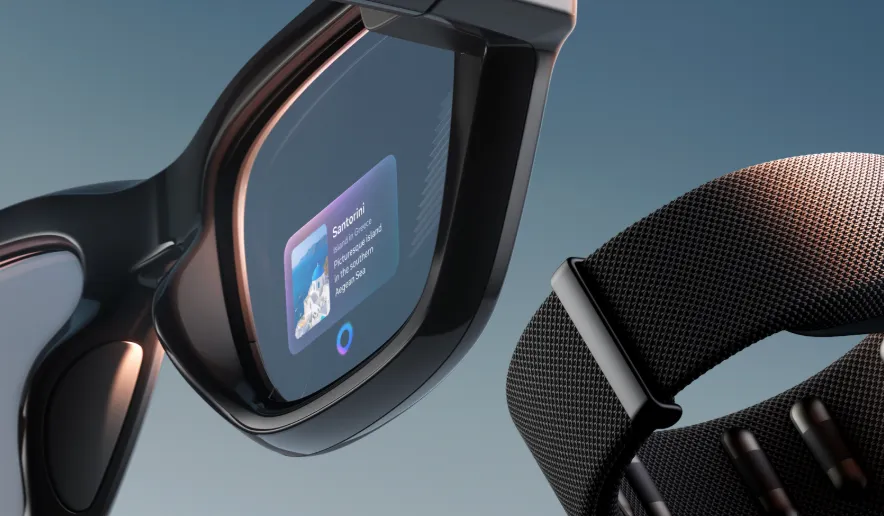
The wearable tech market in 2026 is no longer about counting steps. The devices on your wrist, ears, and fingers now run inference engines, build longitudinal health models, translate languages in real time, and overlay information onto your field of view. The hardware has not changed radically - sensors, batteries, and radios - but what AI does with that raw data has transformed these categories entirely.
This guide covers every major AI wearable category as of April 2026: what each device type actually does, which models are worth buying, what the AI genuinely adds, and where the category is still overpromising. We include a battery life comparison table, category-by-category breakdowns, and a straight answer on whether you need one at all.
Smart Rings: Passive Health Intelligence
Smart rings are the sleeper category. No screen, no notifications, no need to charge every night. They sit on your finger and collect biometric data continuously - PPG heart rate, accelerometer movement, skin temperature, blood oxygen. The hardware is table stakes. The value is the AI that contextualizes weeks of data into actionable health intelligence.
Oura Ring 4 ($349)
The Oura Ring 4 is the category benchmark. Still the most polished option in 2026, it uses a titanium shell, eight sensors, and Oura's proprietary AI health models to produce daily Readiness, Sleep, and Activity scores. The ring measures heart rate variability, respiratory rate, SpO2, skin temperature deviation, and movement across all sleep stages.
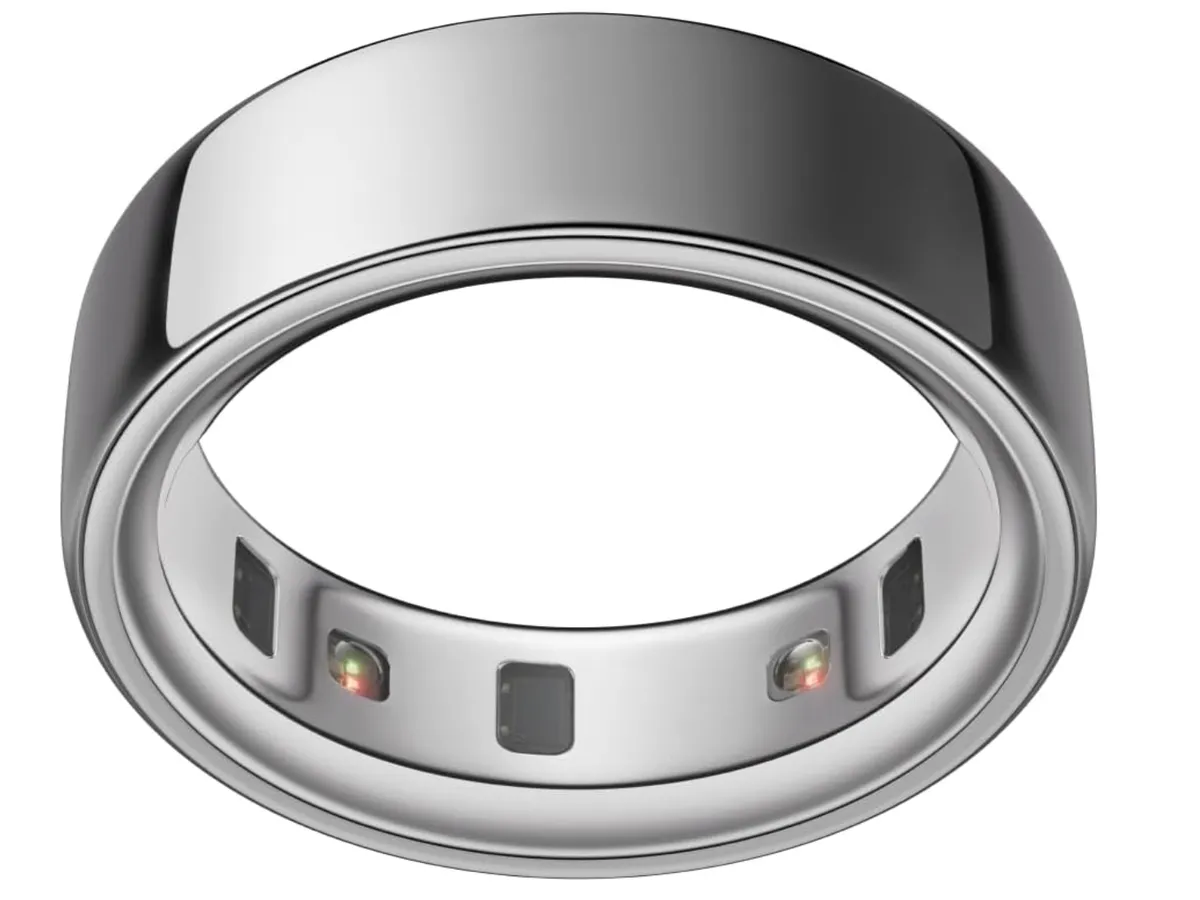
The AI layer is sophisticated. Oura does not just report your resting heart rate - it builds a personal baseline over 30 days and flags deviations with clinical context. A spike in nighttime skin temperature combined with elevated resting heart rate and reduced HRV will surface as an illness warning 24 to 48 hours before you feel sick. That predictive layer is where the $5.99/month subscription (after a one-month free trial) is justified. Battery life is 7 days.
Best for: Sleep optimization, illness early warning, women's cycle tracking, people who want the most complete health picture from a ring.
Samsung Galaxy Ring (still current, Ring 2 delayed)
Samsung's Galaxy Ring remains in the lineup at its original price with no Ring 2 successor shipping in the near term - Samsung confirmed delays pushing Ring 2 beyond 2026. The original Galaxy Ring tracks the same core biometrics as Oura, integrates directly into Samsung Health, and carries no subscription fee. That last point matters: over two years, the Galaxy Ring is cheaper than Oura even at its $399 price point.
The trade-off is ecosystem lock-in. Galaxy Ring's AI features work significantly better when paired with a Galaxy S26, S25, or S24 phone. Energy Score, the ring's daily readiness metric, connects to Samsung Health's broader AI coaching, pulling in data from Galaxy Watch 8 and Galaxy Buds 4 Pro. If you are in the Samsung ecosystem, the integration is the best in the ring category. If you are on iPhone, Galaxy Ring loses roughly 40% of its feature depth.
Best for: Samsung Galaxy phone users who want health tracking without a subscription.
Ultrahuman Ring PRO ($479)
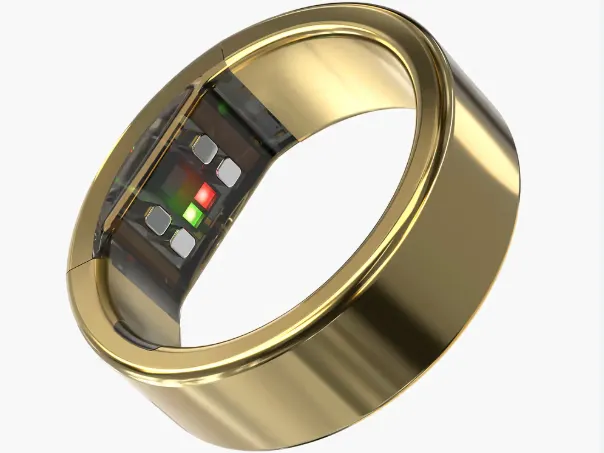
Ultrahuman updated its ring lineup in February 2026, retiring the Ring Air and launching the Ring PRO at $479. The Ring Air faced US import restrictions, clearing the path for the Ring PRO as the company's flagship product. The Ring PRO targets metabolic health and performance athletes with a focus on metabolic scoring rather than general wellness. Battery life is 15 days - the longest in the category by a significant margin. No subscription required.
The platform integrates with continuous glucose monitors (CGM) from Dexcom and Freestyle Libre, unique in the ring category. If you are wearing a CGM and want your ring data to contextualize glucose spikes with sleep quality and activity, Ultrahuman Ring PRO is the only ring built for that workflow.
Best for: Metabolic health tracking, CGM users, biohackers who want no subscription and maximum battery life.
RingConn Gen 3 (shipping mid-2026)
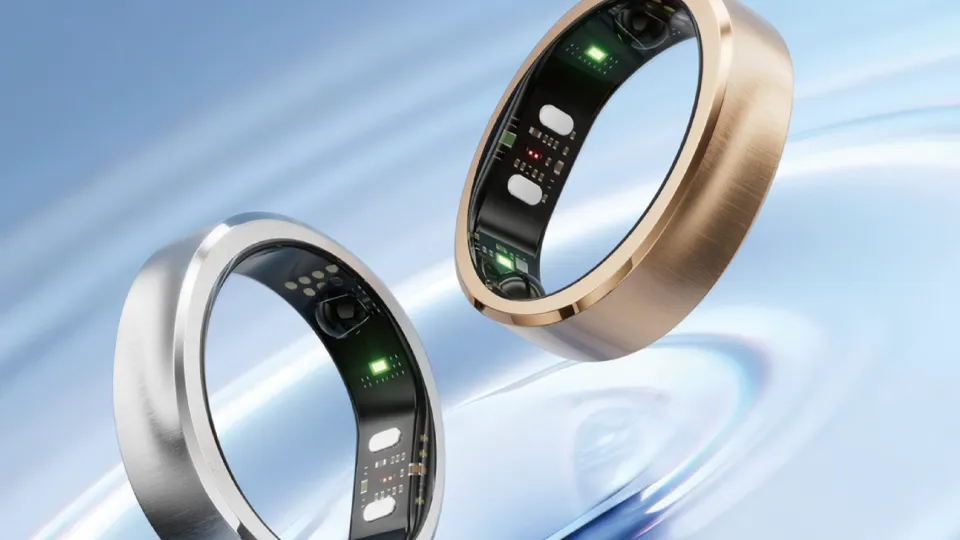
RingConn announced the Gen 3 at CES 2026 as the most ambitious smart ring update from any manufacturer since the category emerged. The Gen 3 adds haptic feedback (the first ring with haptics, enabling silent notifications and alarms directly on the finger), a blood pressure measurement feature (currently pending regulatory clearance), and updated health AI models. Battery life carries forward from the Gen 2's class-leading performance. The Gen 3 is shipping mid-2026 - those who want it today should wait for the release; those who need a ring now should consider the Gen 2 or Oura Ring 4. No subscription fee.
Best for: Early adopters who want the most feature-packed ring at launch, or anyone for whom haptic feedback notifications are a priority.
AR and Smart Glasses: Vision AI Wearables
Smart glasses in 2026 split into two distinct product tiers: camera-and-audio glasses that look like ordinary eyewear, and true AR display models that overlay content onto your vision.
Meta Ray-Ban (standard) - $379
The Meta Ray-Ban collaboration remains the most commercially successful smart glasses product. At $379, they look like normal Ray-Ban frames with a 12MP camera, open-ear speakers, four-mic array, and Meta AI running on-device and in the cloud. Social acceptance has crossed a threshold - they are indistinguishable from normal sunglasses at a distance, which addresses the Google Glass problem of making the wearer look conspicuous. The 4-hour battery is the persistent limitation; these are day-use devices.
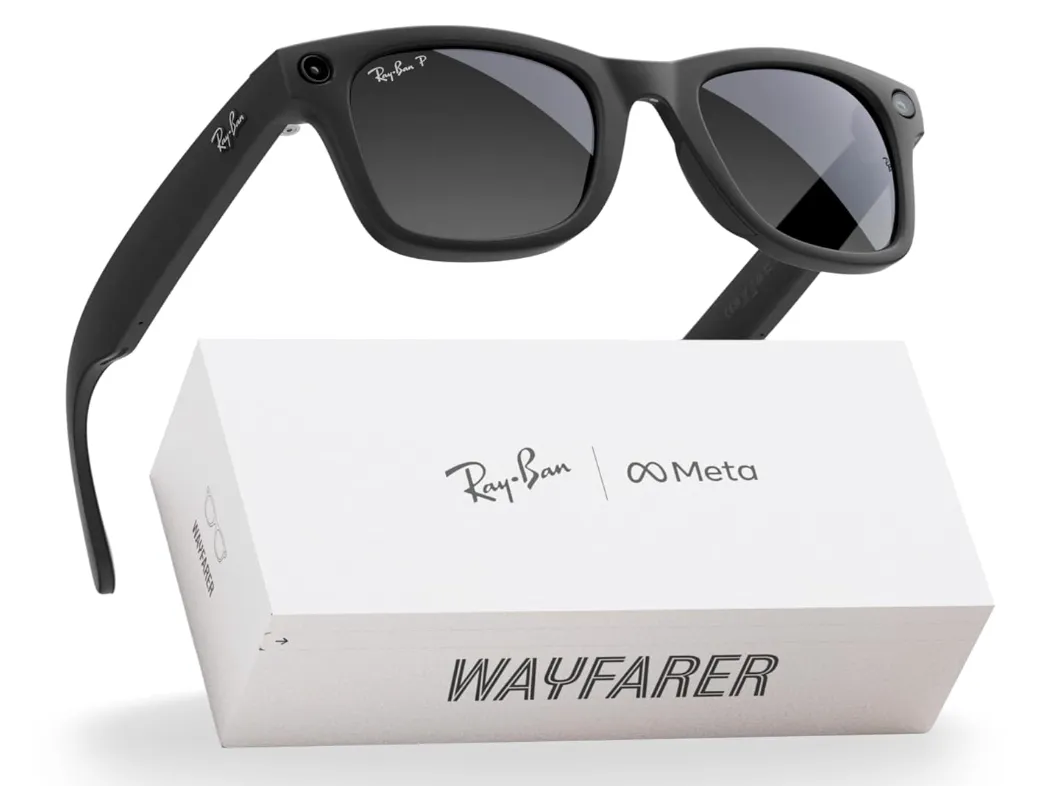
Meta Ray-Ban Display Model - $799
The Display model adds a small LED display visible in the right lens for notifications, basic AR overlays, and real-time information surfacing without pulling out your phone. This is a meaningful upgrade over the camera-only standard model. At $799, it is the most accessible true AR-lite experience available. The display is not a full AR overlay - it shows text and simple UI elements, not world-anchored 3D graphics - but for navigation cues, message previews, and AI responses, it is substantially more useful than audio-only.
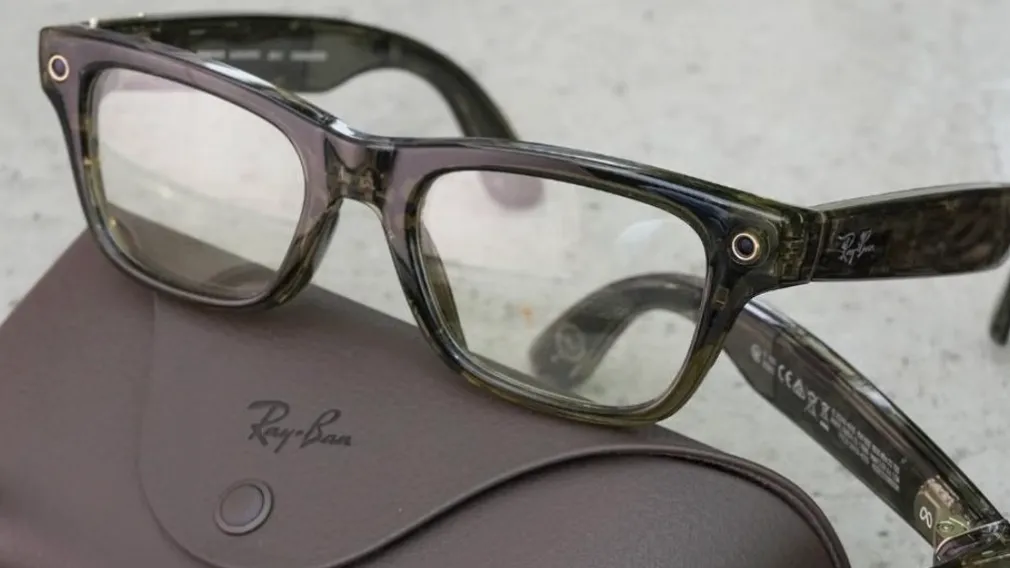
Meta Ray-Ban Blayzer / Scriber (prescription frames) - $799
Meta has expanded the Ray-Ban lineup to include prescription-compatible frames in collaboration with optical retailers under the Blayzer and Scriber names. These bring the same Meta AI camera and audio features to prescription lens wearers at $799 for the frames plus the cost of lenses. For the estimated 75% of adults who wear corrective lenses, this removes the barrier of wearing sunglasses over regular glasses.
Best for: Travelers, content creators, prescription glasses wearers who want hands-free AI without a separate device.
AI Earbuds: The Most Practical Category
AI earbuds have the most straightforward value proposition: they improve something you are already doing. You already wear earbuds. Now those earbuds detect health data, translate conversations, surface AI assistance without requiring you to look at a screen, and adapt audio to your hearing profile in real time.
Apple AirPods Pro 3 ($249)
Released September 2025, the AirPods Pro 3 builds on the Pro 2's H2 chip and FDA-cleared hearing health features with a new H3 chip offering improved ANC and more capable on-device processing. The Hearing Aid feature uses the earbud's microphones to amplify and process ambient sound in real time for people with mild to moderate hearing loss - a function that previously required a dedicated hearing aid costing $1,500 or more. Conversation Awareness automatically reduces music volume and boosts voices when you start speaking to someone. In the Apple ecosystem, these remain the most feature-complete earbuds available.
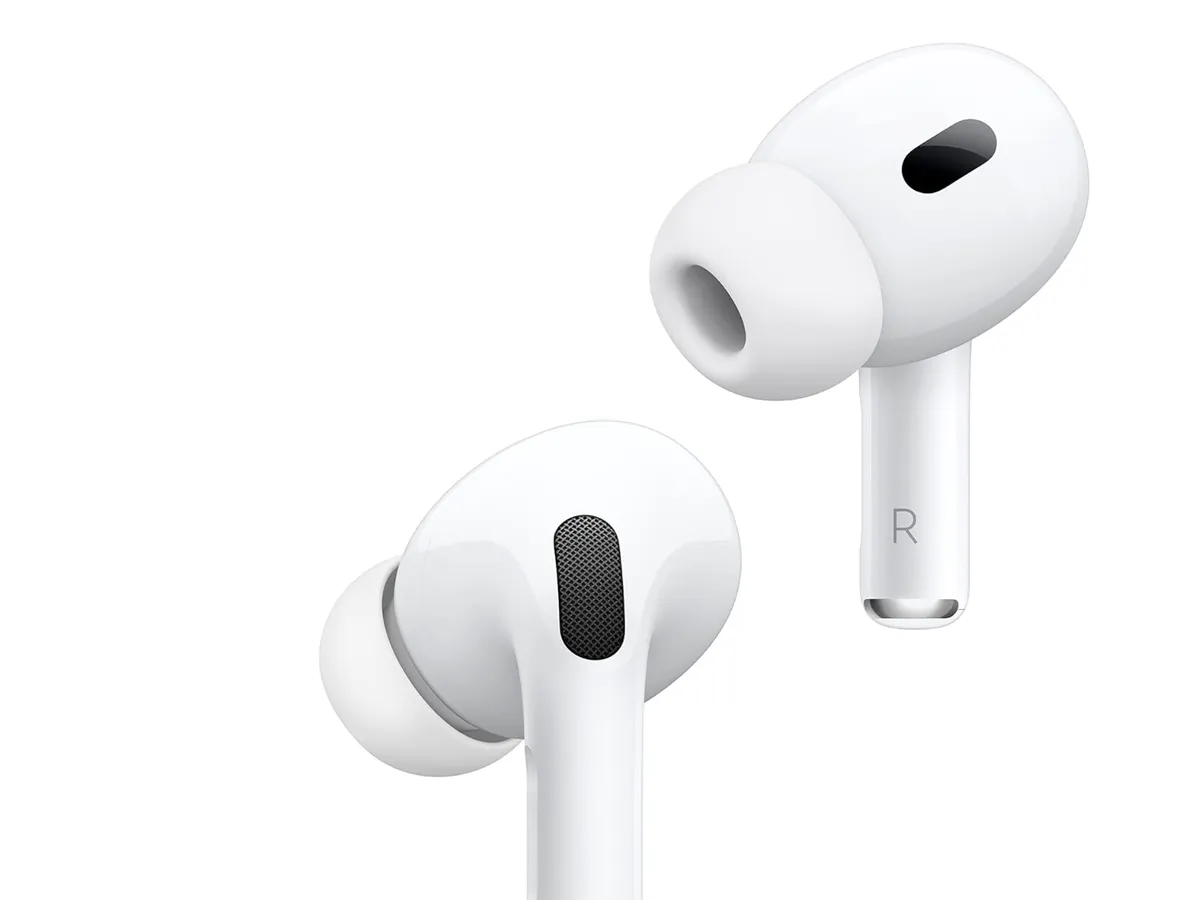
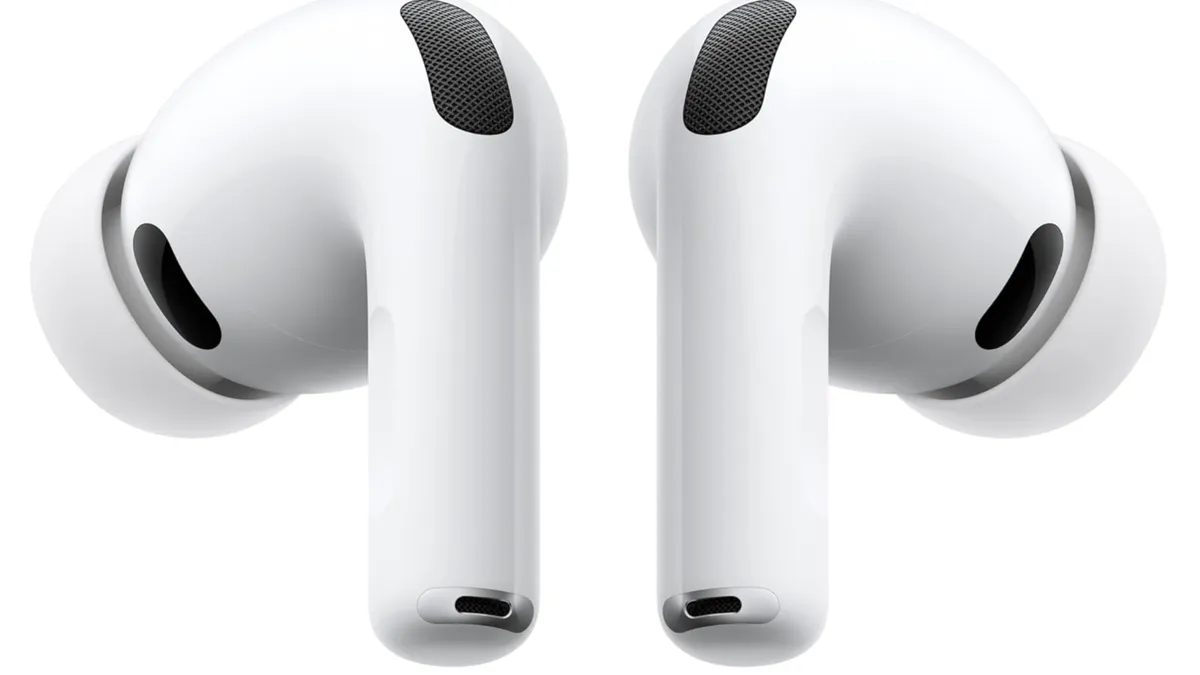
Best for: iPhone users, people with mild hearing loss, anyone in the Apple ecosystem.
Samsung Galaxy Buds 4 Pro ($249)
The Galaxy Buds 4 Pro launched in March 2026 alongside the Galaxy S26, introducing ANC 2.0 and head gesture controls as the headline features. ANC 2.0 re-measures your ear canal seal every 0.5 seconds and adjusts attenuation continuously - a meaningful improvement over the fixed ANC profiles on prior Galaxy Buds models. Head gesture controls let you nod to accept a call, shake to decline, and respond to Galaxy AI prompts without touching the earbuds or your phone. Live call translation integrates with Galaxy AI on S26 phones to deliver real-time translated audio in your ear during phone calls.
Best for: Samsung Galaxy phone users, people prioritizing ANC quality and Galaxy AI integration.
Google Pixel Buds Pro 2 ($229, still current)
The Pixel Buds Pro 2 runs Google's Tensor A1 chip on-device, enabling Gemini AI responses without cloud round-trips and real-time translation across 49 languages. Conversation Detection automatically pauses audio and activates translation mode when the buds detect you are in a conversation. At $229, it undercuts both AirPods Pro 3 and Galaxy Buds 4 Pro by $20 with the strongest AI features for multilingual users. The Pixel Buds Pro 2 remains current with no successor announced.
Best for: Travelers, multilingual households, Android users, anyone who frequently encounters language barriers.
Bragi Dash Pro (discontinued) ($299)
Bragi focuses entirely on translation and communication, supporting 40+ languages for real-time translation including a dedicated standalone Translation mode that does not require a connected phone. The $299 price is premium, and general audio quality trails AirPods and Pixel Buds, but for professional use cases - international business meetings, medical interpretation, fieldwork - the translation capability and offline language pack storage justify the cost.
Best for: Professional translators, international business travel, medical and legal interpretation contexts.
AI-Enhanced Smartwatches
Smartwatches are the most mature AI wearable category, which means the AI is now deeply embedded rather than marketed as a feature. The category is defined by three flagship products in 2026.
Apple Watch Series 11 ($399)
The Series 11 brings a refined design with an improved always-on display and expanded sensor capabilities, along with a battery improvement to 24 hours - addressing one of the most consistent complaints about prior Apple Watch models. Sleep apnea detection (FDA-cleared) continues from Series 10. The AI health monitoring covers irregular rhythm notifications, high/low heart rate alerts, ECG, blood oxygen, wrist temperature for cycle tracking, crash detection, and fall detection with automatic emergency services contact. watchOS 27 on Series 11 expands Siri's health query capabilities through Apple Intelligence.
Best for: iPhone users who want the most complete health monitoring and the tightest ecosystem integration.
Samsung Galaxy Watch 8 ($299)
The Galaxy Watch 8 runs One UI Watch 7 with the latest Galaxy AI features including AI-powered body composition analysis using bioelectrical impedance, energy score tracking from Galaxy Ring integration, and improved sleep coaching. At $299, it is $100 less than the Apple Watch Series 11 while offering comparable hardware. Galaxy Watch 8's Samsung Health integration is the deepest in the Android ecosystem for Samsung users, particularly when paired with Galaxy Ring and Galaxy Buds 4 Pro.
Best for: Android users in the Samsung ecosystem, people who want body composition data from their watch.
Google Pixel Watch 4 ($349)
The Pixel Watch 4 integrates Fitbit's AI coaching infrastructure with Google's Gemini assistant on Wear OS, delivering 30 to 40 hours of battery life - a significant improvement over the Pixel Watch 4's 24 hours. Loss of Pulse Detection, which calls emergency services if the watch detects no pulse for a defined interval, is a Pixel Watch exclusive feature in the smartwatch category. Fitbit's readiness and sleep insights are more detailed than Samsung's for users who have existing Fitbit data. The Pixel Watch 4's improved battery life closes the gap with Galaxy Watch 8 significantly.
Best for: Android users with existing Fitbit history, people who want Gemini on their wrist, safety-focused buyers.
Whoop 5.0 and Fitness Wearables
Whoop 5.0
Whoop updated to version 5.0 with a 14-day battery life (up from 4-5 days on Whoop 5.0), making it the endurance wearable benchmark. Whoop 5.0 uses continuous strain and recovery tracking with no display, targeting athletes who want physiological load data rather than notification management. The subscription model has been restructured to two tiers at $199/year (standard) and $359/year (performance coaching with AI-driven training recommendations). For competitive athletes who use the recovery data daily, the detailed HRV and strain metrics remain among the most sophisticated in the category. For casual users, $199-359/year is difficult to justify.
Best for: Competitive athletes, endurance sports, anyone who needs the most detailed continuous physiological load tracking.
Battery Life Comparison Table
Device | Category | Battery Life | Price | Subscription |
|---|---|---|---|---|
Ultrahuman Ring PRO | Smart Ring | 15 days | $479 | None |
Whoop 5.0 | Fitness Band | 14 days | Device included | $199-$359/yr |
Smart Ring | 7 days | $349 | $5.99/mo | |
Samsung Galaxy Ring | Smart Ring | 7 days | $399 | None |
Pixel Watch 4 | Smartwatch | 30-40 hours | $349 | None |
Galaxy Watch 8 | Smartwatch | 40 hours | $299 | None |
Apple Watch Series 11 | Smartwatch | 24 hours | $399 | None |
Google Pixel Buds Pro 2 | 8 hrs (30 hrs case) | $229 | None | |
AirPods Pro 3 | 6.5 hrs (33 hrs case) | $249 | None | |
Galaxy Buds 4 Pro | AI Earbuds | 6 hrs (30 hrs case) | $249 | None |
Meta Ray-Ban (Display) | Smart Glasses | 4 hours (AI active) | $499 | None |
Meta Ray-Ban (standard) | Smart Glasses | 4 hours | $299 | None |
What AI Actually Adds vs. Traditional Wearables
Genuinely New Capabilities
Predictive health warnings: Oura's illness prediction model - using temperature deviation, HRV suppression, and elevated resting heart rate together - has no analog in pre-AI wearables. It catches physiological stress before symptoms appear. Published studies show roughly 70% sensitivity for detecting illness 1-3 days before test-positive results.
15-day passive ring battery: Ultrahuman Ring PRO's 15-day battery changes the category's charging calculus entirely. A ring that goes two weeks without charging becomes genuinely passive in a way that 7-day rings are not - most users charge Oura once a week, which still requires a habit.
Real-time translation in your ear: Pixel Buds Pro 2's 49-language real-time translation is not an incremental improvement - it is a new human capability. Hearing a translated voice in your ear as someone speaks is categorically different from typing into a translation app.
FDA-cleared hearing assistance from earbuds: AirPods Pro 3's Hearing Aid feature democratizes access to hearing assistance. A $249 earbud replacing a $1,500-3,000 hearing aid for mild-to-moderate loss is a meaningful outcome, not a marketing claim.
Sleep apnea detection from a consumer device: Apple Watch Series 11's FDA-cleared sleep apnea detection catches a condition that affects roughly 1 billion people globally, most undiagnosed. Previous detection required an overnight sleep study.
Incremental Improvements
Better step counting and calorie tracking: Modern AI improves accuracy, but these are refinements to functionality that fitness trackers have had since 2012.
Smarter notifications: AI-filtered notifications are better than raw notification floods, but this is a convenience upgrade, not a new capability.
Personalized workout recommendations: Useful, but fitness coaches have been doing this manually for decades. AI scales and personalizes it better, but it is not a category-defining capability.
How to Choose the Right Category
You travel internationally and encounter language barriers regularly: Pixel Buds Pro 2 ($229) or Bragi Dash Pro (discontinued) ($299) are the highest-impact purchases. Real-time translation in your ears changes how you travel.
You want to improve sleep quality: A smart ring is better than a watch. You will actually sleep with it on. Start with Oura Ring 4 ($349 + $5.99/mo) for the most detailed sleep analysis, or Ultrahuman Ring PRO ($479) if you want the best battery and no subscription.
You want a complete health platform on your wrist: Apple Watch Series 11 ($399) for iPhone users, Galaxy Watch 8 ($299) for Samsung users, Pixel Watch 4 ($349) for other Android users.
You want passive health tracking without wrist discomfort: Any of the smart rings. Galaxy Ring if you are on Samsung. Oura Ring 4 if you want the most comprehensive data. Ultrahuman Ring PRO if you prioritize battery life and CGM integration.
You want hands-free AI access without looking at a screen: Meta Ray-Ban Display Model ($799). They are the most practical option in this space with the display providing real-time information overlay that the standard model cannot.
You are an endurance athlete or competitive sports person: Whoop 5.0 with its 14-day battery and detailed strain/recovery models at $199/year subscription tier is purpose-built for this use case.
Sources
Frequently Asked Questions
Can a smart ring replace a smartwatch?
For health tracking purposes, a smart ring is often better than a smartwatch because you will actually wear it overnight. But smart rings have no screen, no GPS, no payment capability, and no app ecosystem. Most people who buy a ring either pair it with a watch or are specifically trying to eliminate the watch from their life. They are complementary products more than direct competitors.
Are AI earbuds worth it over regular wireless earbuds?
If you use your earbuds primarily for music and occasional calls, a $99 pair of Sony or Jabra earbuds will satisfy you just as well as AirPods Pro 3. The AI features in premium earbuds - translation, hearing health, personalized audio - justify the price premium only if you will actually use those features. Real-time translation and hearing health monitoring are the two features with the clearest value propositions for specific user groups.
Is smart glasses technology ready for everyday use?
Meta Ray-Ban glasses are ready for everyday use if you are comfortable with a 4-hour battery and the knowledge that a camera is on your face. The Display model at $799 is the first smart glasses product where the AI overlay is genuinely useful rather than gimmicky. True always-on full AR glasses - the kind that overlay rich 3D information on your field of view all day - are not mainstream consumer products yet. Apple's AR glasses roadmap points toward 2027-2028 for that product category.
How accurate is the health data from wearables?
Consumer wearables are not medical-grade devices, with specific exceptions. Apple Watch's ECG and AFib detection are FDA-cleared and clinically validated. AirPods Pro 3's Hearing Aid mode is FDA-cleared for mild to moderate hearing loss. Oura's sleep staging has been validated against polysomnography in published studies with roughly 79% accuracy for sleep stage classification. SpO2 readings on consumer wearables are accurate within 2-3% under normal conditions but degrade with cold fingers, dark skin tones, and movement. Treat wearable health data as directional signals, not clinical measurements, except for the specific FDA-cleared features.
What is the most important AI wearable for someone with no wearables at all?
For most people, start with either an AI earbud upgrade or a smart ring. Earbuds because they augment something you are already doing - listening to audio - with features you will immediately notice. A smart ring because it requires the least behavioral change: you put it on and forget it, and the data builds over weeks without any effort. Both categories have strong options under $499 with no ongoing subscription fees.