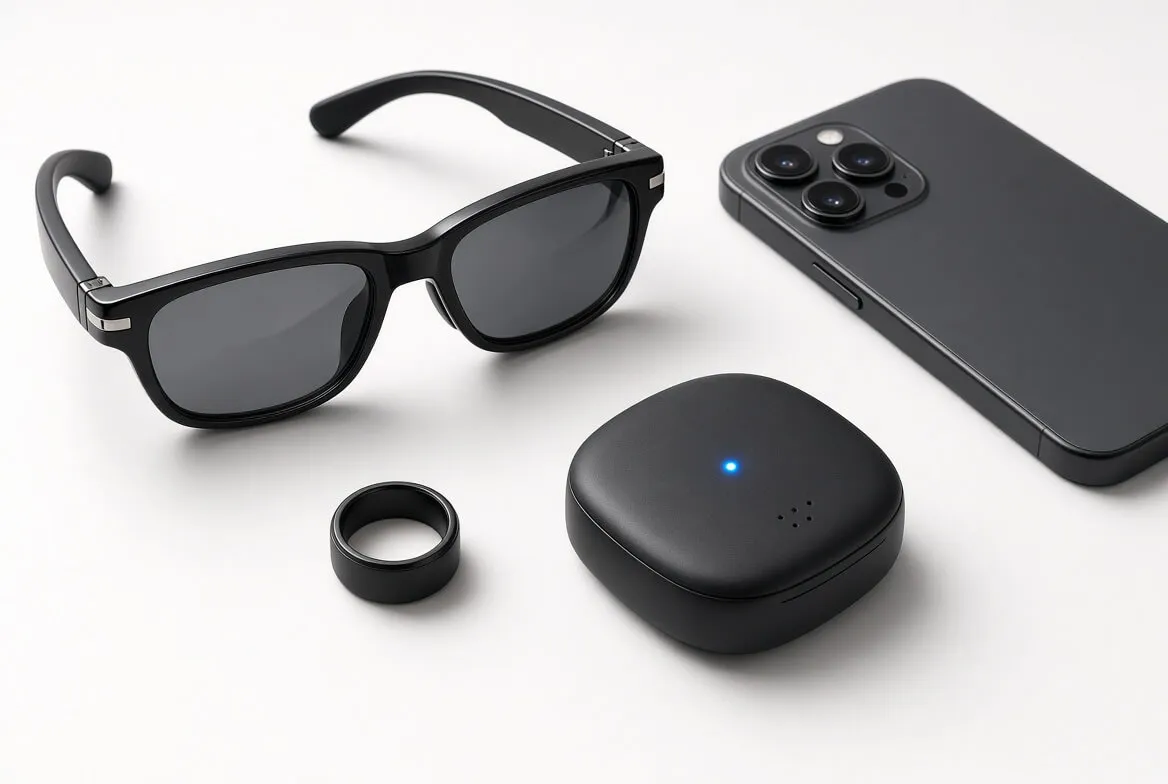
Not anytime soon. Companies have tried to replace the phone with pins, pucks and glasses, yet 91% of American adults still carry a smartphone. What is changing is smaller: a few tasks are moving off the screen.
This guide looks at the sales numbers, the gadgets that tried and failed, and the ones that now work next to your phone instead of in place of it.
What Does the Sales Data Say?
The gap is huge. IDC estimates that 1,260.3 million smartphones shipped worldwide in 2025, up 1.9% from 2024. Pew Research found that 91% of US adults own a smartphone in its 2026 survey.
Now compare the best-selling AI gadget category. Meta and EssilorLuxottica sold more than 7 million smart glasses in 2025, about three times the year before. That is a real hit, but it equals only about 0.6% of phone shipments.
Gadgets are growing fast from a tiny base. Phones are not shrinking.
Why Did the AI Pin and Rabbit R1 Fail?
Both tried to replace the phone, and both missed.
Humane AI Pin. It launched at $699 plus a monthly fee, then dropped to $499 in October 2024. HP bought most of Humane's assets for $116 million in February 2025. The Pins stopped working on February 28, 2025.
Refunds were limited. Only buyers from the last 90 days could get their money back.
Rabbit R1. It sold for $199 and promised to operate apps for you. At launch it delivered far less than its marketing claimed.
The pattern is clear. A phone has a screen, apps, a keyboard and a decent battery. A gadget that drops all four has to beat the phone at something important. These did not. For the full list of flops, read AI Gadgets That Failed.
Why Is the Phone So Hard to Beat?
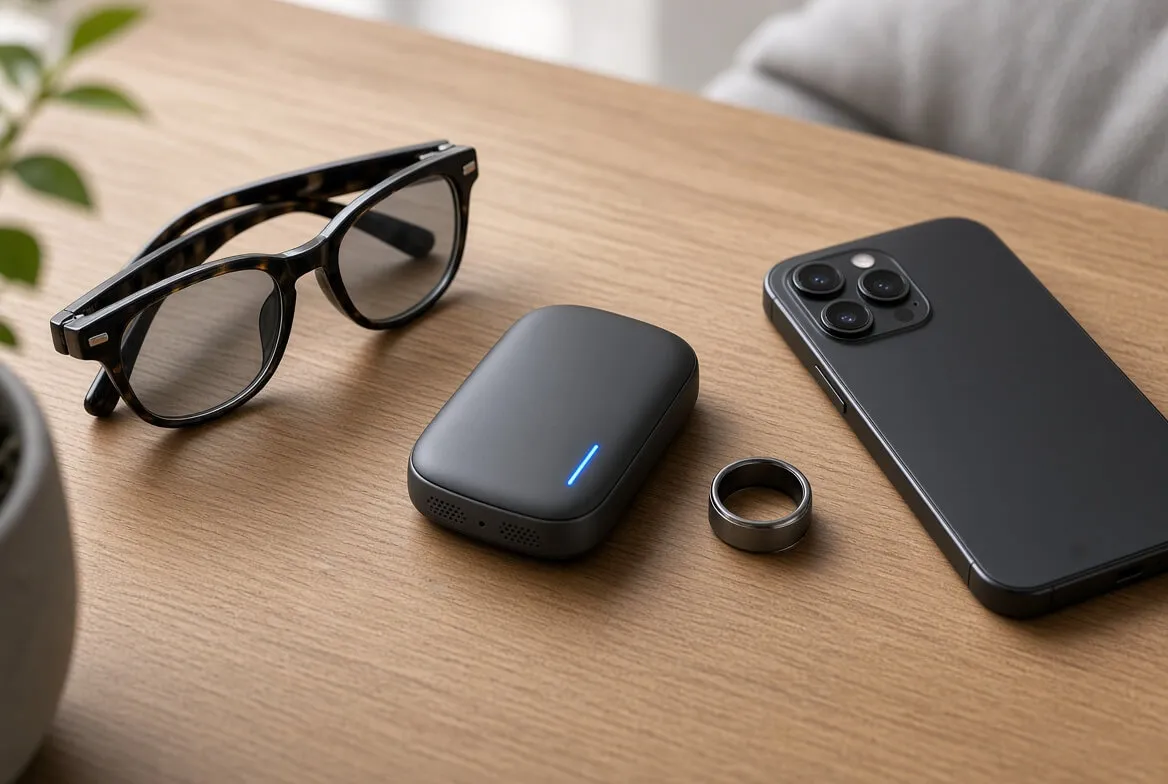
A phone is not one product. It is a camera, wallet, map, messenger, music player and screen in one pocket-sized device. To replace it, a gadget has to match all of those jobs, not just one.
Habit matters too. People already pay for the phone, know where everything lives on it and trust it with their bank and photos. A new device must give them a reason to change a daily routine, and "slightly faster voice answers" is rarely enough.
What Do Gadgets Do Better Than a Phone?
Gadgets win when pulling out a phone is the annoying part. Three cases work well:
Hands-free tasks. Glasses can take a photo or answer a question without you touching anything.
Always-on tracking. A ring can track sleep and activity all night with no screen to charge or look at.
Capture and summarize. A recorder can sit on a table and turn a meeting into notes.
Each one handles one job well. None of them runs your whole day.
Which Jobs Still Need the Phone?
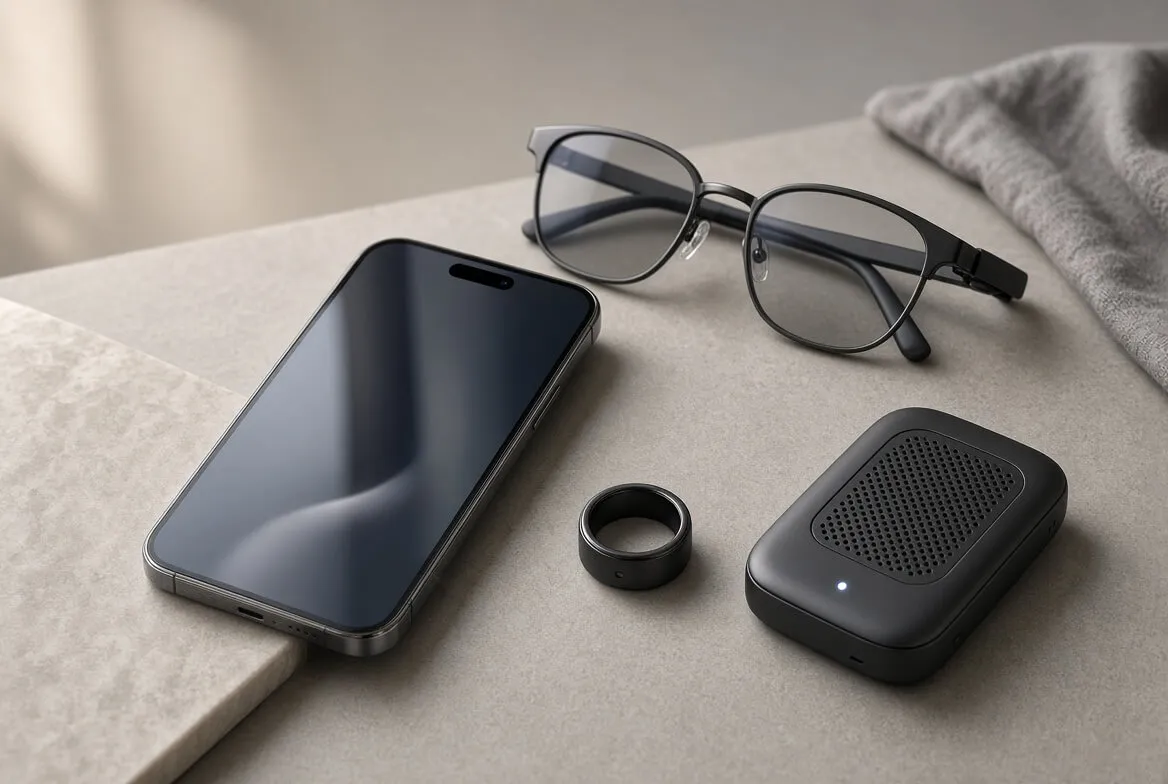
Gadget | What it takes over | What still needs the phone |
|---|---|---|
AI glasses | Quick photos and voice questions | Setup, messages, maps and apps |
Smart rings | Sleep and health tracking | Reading your data in the app |
AI recorders | Capturing and summarizing talks | Reviewing and sharing the notes |
Most of these products are companions. The phone remains the hub that stores your data and connects everything.
What Would Have to Change First?
A true replacement needs several problems solved at the same time:
All-day battery in a much smaller body.
A display that works in sunlight and does not annoy people nearby.
Strong on-device AI so it still works without a signal. See On-Device AI vs Cloud AI.
Apps and services people already rely on, such as banking, maps and messaging.
Trust. Always-listening devices raise real questions, covered in the AI gadget privacy guide.
Phones also keep getting smarter. They already run AI models on the device, which removes much of the reason to carry a second gadget.
Conclusion
AI gadgets are complements, not replacements. The data shows 1.26 billion phones against 7 million glasses, and the biggest replacement attempt ended with a $116 million fire sale.
Buy a gadget only if it does one job better than your phone. Read Are AI Gadgets Worth It? before you spend, and keep your phone as the center of your setup.
FAQs:
Q1: Can any AI gadget fully replace a phone today?
A: No. Every current product still relies on a phone for setup, apps and messaging. The ones that tried to go phone-free were discontinued or heavily criticized.
Q2: Should I buy an AI gadget instead of upgrading my phone?
A: Usually no. A new phone adds on-device AI and covers every task. Buy a gadget only for a specific job, like sleep tracking.
Q3: Could smart glasses become the next phone?
A: Possibly, over many years. Sales are growing quickly, but battery life, display quality and social acceptance still hold them back.
Q4: What happens to a gadget if the company shuts down?
A: Cloud-dependent devices can stop working, as the Humane AI Pin did. Prefer products that keep core features working without the maker's servers.