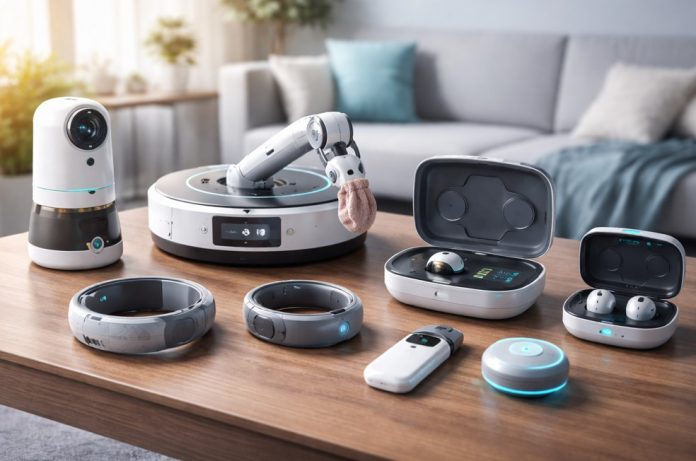
AI gadgets fail for five repeatable reasons: a primary feature that breaks in real conditions, a subscription that outlives the company behind it, battery life that cannot sustain the main use case, a launch that ships before the software is ready, and social friction the maker never planned for. Learn the five patterns and you can spot the next flop before you pay for it.
This is not a mockery piece. Most of the products below were technically impressive, built by strong teams, and represented real swings at the future. They failed for reasons that were not obvious on launch day, which is exactly why they are worth understanding.
1. Humane AI Pin - The Most Expensive Lesson in AI Gadget History
Launch price: $699 + $24/month · Fate: Humane sold to HP in 2025
Founded by two ex-Apple designers, Humane raised more than $200 million in venture funding and launched a screenless, voice-controlled pin with a laser projector that beamed information onto your palm. First-year cost came to over $985.
The execution failed on almost every axis. The laser projector was unreadable in sunlight, which made the primary output method useless outdoors. Battery life collapsed to under three hours of active use. Voice responses were slower than simply asking the phone in your pocket. Reviewers reported the device running uncomfortably hot against clothing. There was no app ecosystem, so when the AI could not do something, the Pin did nothing at all.
The Verge told readers not to buy it. Marques Brownlee called it the worst product he had reviewed. HP bought Humane's assets in early 2025 for a fraction of its peak valuation, and the Pin lost its cloud AI service weeks later, leaving buyers with inert hardware.
The lesson: a beautiful hardware vision cannot substitute for a working core experience. A projector that fails in daylight is a hardware problem, and no software update fixes hardware. Always ask what the device does when its headline feature fails. For the AI Pin, the answer was nothing.
2. Amazon Halo Wristband - A Great Idea Killed by Execution
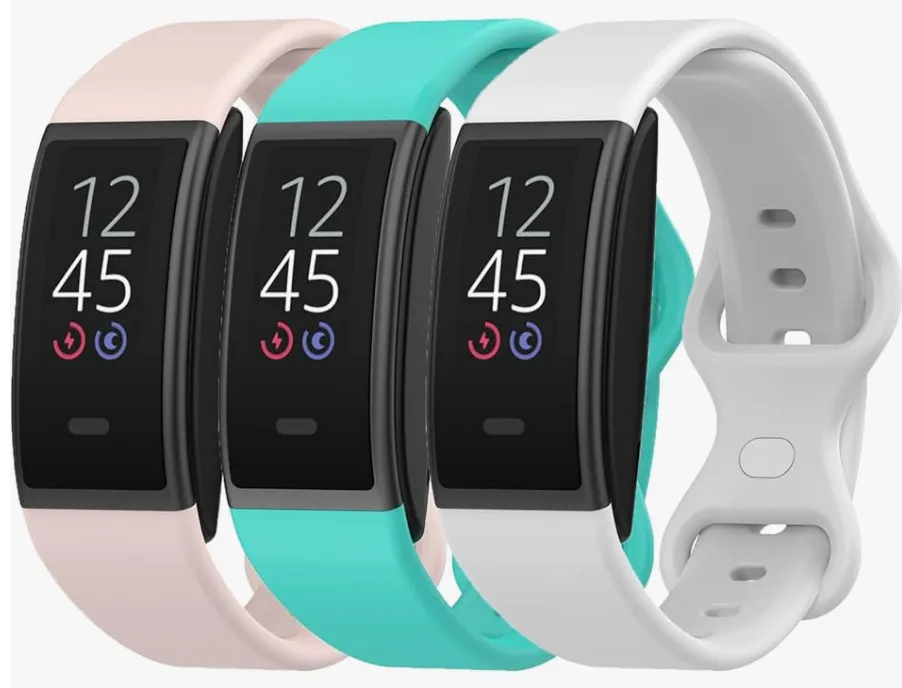
Launch price: $99 + $3.99/month · Fate: Discontinued, app shut down 2023
Amazon launched the Halo band in 2020 with genuinely novel AI health features for the time: tone-of-voice analysis that graded how happy or tense you sounded, body fat estimation from a camera scan, plus sleep staging and activity tracking. The screenless design was a deliberate attempt to reduce phone dependency.
Both signature features backfired. A wearable that listened to your conversations and scored your emotional tone, often without the other people in the room knowing, triggered a privacy backlash Amazon never recovered from. The body scan, which asked users to photograph themselves in minimal clothing, drew the same criticism.
Amazon shut the Halo line down on July 31, 2023, killing the app and bricking the hardware. The $139 Halo Rise bedside sleep tracker died with it.
The lesson: privacy-invasive AI features demand a level of trust that even Amazon could not buy. And when a gadget's intelligence lives entirely in the cloud, a discontinued service turns your purchase into plastic.
3. Google Glass (Consumer Edition) - The Original AI Wearable That Spooked Everyone
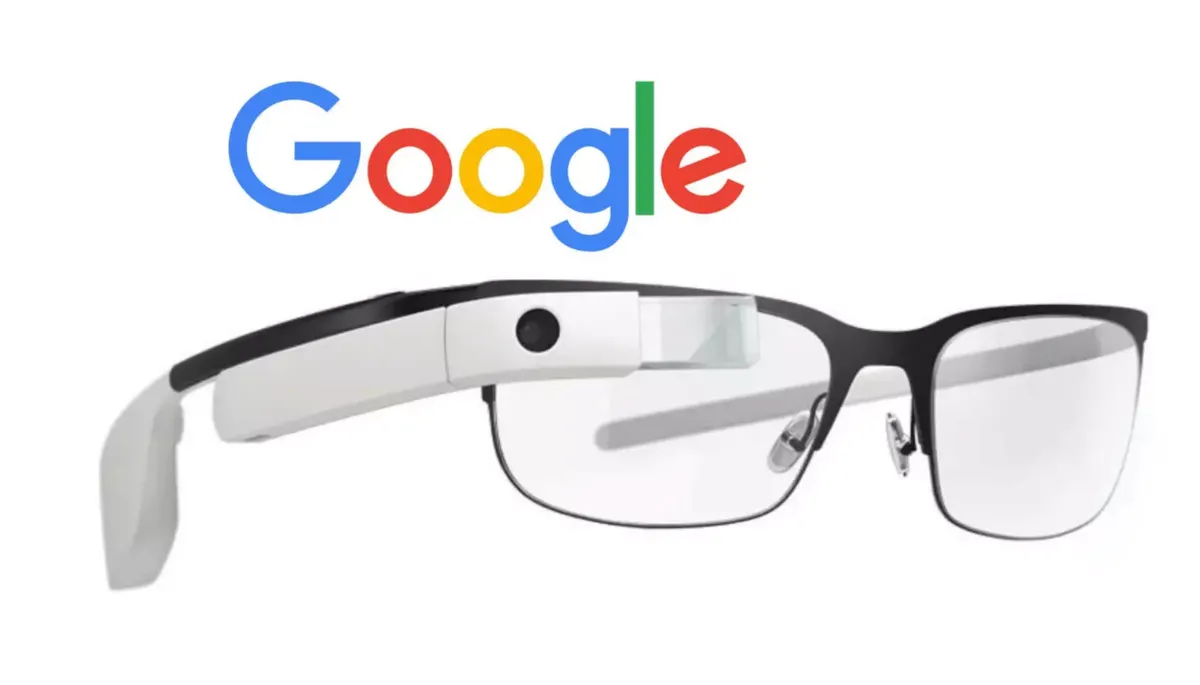
Launch price: $1,500 Explorer Edition. Fate: consumer version killed in 2015, enterprise version discontinued in 2023.
Google Glass is the founding case study for AI wearable failure, significant enough that it added a word to the dictionary. "Glasshole" became shorthand for wearers who made everyone around them uncomfortable. Unveiled in 2012 and shipped to developers in 2013, Glass never reached its planned consumer launch.
It failed for reasons that still apply to every camera-equipped wearable:
Camera anxiety. Nobody could tell from the outside whether Glass was recording, which created real friction in restaurants, bathrooms and private spaces. No social norms existed yet for face-worn cameras.
The cyborg problem. Glass looked unmistakably like a gadget and instantly marked the wearer as a tech early adopter.
Battery life under four hours with active use, a constraint smart glasses still fight today.
No use case worth the friction. Getting directions marginally faster than a phone was not worth the social cost.
Google pivoted to industry with Glass Enterprise Edition, where the social problem did not exist. That version was pulled from sale in March 2023, and Google ended support on September 15, 2023. Existing units still work, but no updates are coming.
The lesson: a camera on your face needs either social invisibility, which is what Ray-Ban Meta achieved, or a use case compelling enough to overcome the stares. Glass had neither.
4. Snap Spectacles - Four Generations of Promising the Future
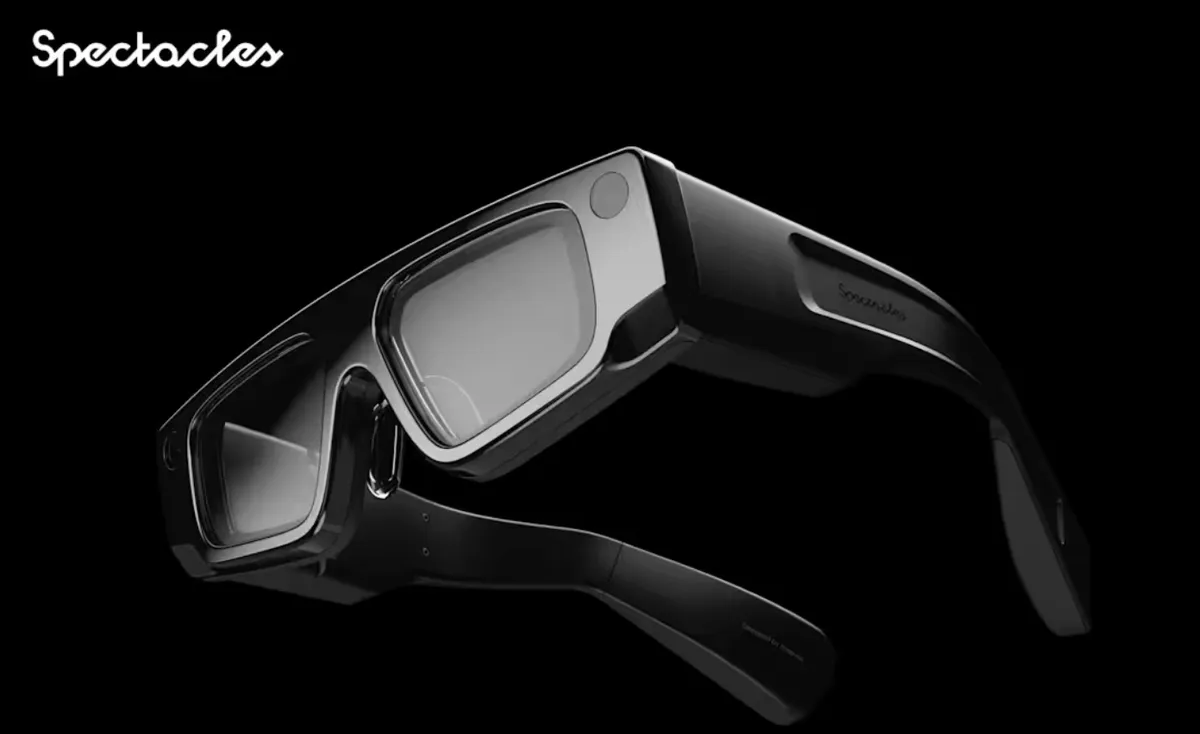
First launch: 2016 · Current status: Spectacles 5 (developer-only, not consumer release)
Snap has shipped five generations of Spectacles since 2016 without a mass-market success. The original camera glasses sold through yellow vending machines and created genuine buzz, then generated enough unsold inventory that Snap wrote off roughly $40 million.
Later generations added real augmented reality displays, and the technology improved every time. Snap still retreated to developer-only distribution rather than retail, because the glasses remain uncomfortable for long wear, expensive, and dependent on a Snapchat use case most buyers do not have.
The lesson: this is a different failure mode from Humane's. The hardware works. The mainstream reason to buy it does not exist yet, and iteration alone has not created one in nine years.
5. Rabbit R1 - Failed Launch, Partial Recovery
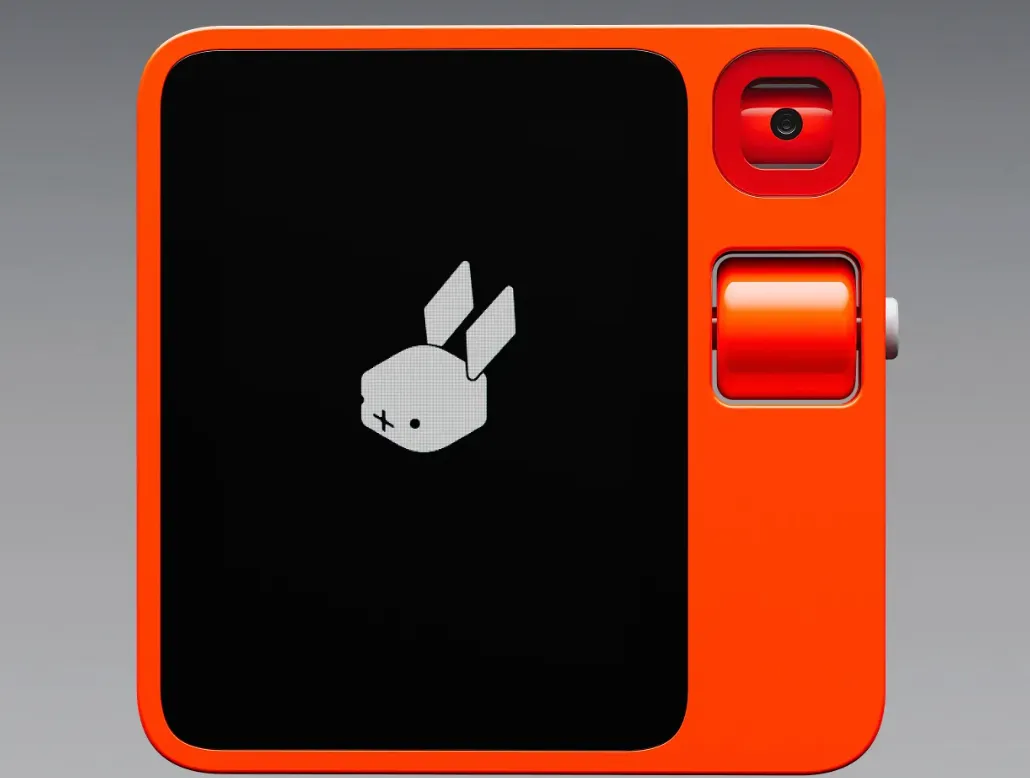
Launch price: $199 · Current status: Alive, improved, but not a mainstream success
The R1 belongs here not because it died, but because the gap between its marketing and the shipped product was severe enough to damage the whole category. It was sold on a Large Action Model that would operate apps for you, booking rides and ordering food. At launch, that turned out to be largely a web wrapper rather than trained app behaviour, battery life was poor, and reviewers were unforgiving.
Rabbit shipped substantial updates through 2025 and 2026. Vision mode now works, task coverage is wider, and the assistant is meaningfully better than it was on day one. The launch reviews are permanent, though, and the R1 never got the cultural moment it needed.
The lesson: launch quality matters far more for hardware than software. An app patches its bugs quietly. A physical product ships once to reviewers who write a permanent public record.
6. Doppler Here One - AI Earbuds Before AI Earbuds Were Ready
Launch price: $299 · Fate: Company closed, product discontinued 2019
Here One promised earbuds that let you edit the real world's audio: turn down a subway car, amplify a conversation across a restaurant, EQ your surroundings live. The vision correctly predicted where hearable AI would go.
The 2016 hardware could not deliver it. Battery life ran around two hours because the audio processing drained the cell, and the essential companion app was temperamental. Doppler sold only about 25,000 units, failed to raise a $35 million round for a second generation, and closed in November 2017 after burning more than $50 million.
The lesson: this was a timing failure, not a concept failure. Adaptive Audio in today's AirPods Pro does much of what Doppler promised, reliably, on batteries that last all day. The product was right. The silicon was not ready.
The 5 Failure Patterns Behind Every AI Gadget Flop
Failure pattern | Examples | Warning sign |
|---|---|---|
Subscription dependency plus startup risk | Humane AI Pin, Amazon Halo | Required subscription, unproven company, hardware that cannot work offline |
Primary feature fails in real conditions | Humane's laser, Google Glass camera anxiety | Features only ever demonstrated in controlled demos |
Launch-day quality gap | Rabbit R1, Spectacles v1 | Review units arrive late with "it will improve" framing |
Technology not ready for the concept | Doppler Here One | Battery life that cannot sustain the main use case |
Social friction unaddressed | Google Glass | No answer for how other people will feel about it |
How to Avoid Buying the Next AI Gadget Flop
Wait for 30 to 60 day reviews, not launch-day takes. Hardware problems surface after weeks of real use, never in a CES demo.
Calculate the subscription dependency. If the device is worthless without a cloud service, and that service depends on a startup's next funding round, you are one bad quarter from a bricked gadget.
Ask what happens when the headline feature fails. If the answer is that the device does nothing, walk away.
Prefer established makers for expensive AI hardware. Apple, Samsung, Sony, Meta, Amazon and Garmin have support track records and are not going to vanish.
Be sceptical of "post-smartphone" framing. The phone has survived every challenger. Gadgets that complement it succeed, gadgets that try to replace it almost never do.
Conclusion
Every AI gadget on this list shares the same DNA: overambitious claims, a hardware constraint nobody solved, a subscription the company could not sustain, or a feature that did not survive contact with the real world. The successes, including Oura, Ray-Ban Meta, WHOOP and Roborock, all solve one specific problem extremely well and come from companies with the resources to support them for years. When the next hyped device launches, work out which pattern it fits before you pre-order.
Frequently Asked Questions
Q1: Why did the Humane AI Pin fail?
A: The Pin failed because its core features did not work in normal conditions. The laser projector was unreadable in sunlight, battery life fell under three hours, responses were slower than a phone, and the device overheated. A required $24 monthly subscription on top of a $699 price made the value gap worse, and HP bought the company's assets in early 2025.
Q2: Is Google Glass still available in 2026?
A: No. Google killed the consumer version in 2015 and stopped selling Glass Enterprise Edition 2 in March 2023, ending support that September. Existing units still function but receive no updates. Meta, XREAL and Even Realities now own the smart glasses space Glass tried to create.
Q3: What happened to the Amazon Halo band?
A: Amazon discontinued the Halo line on July 31, 2023 and shut down the app, which made the bands and the Halo Rise sleep tracker unusable. Privacy criticism of the tone-of-voice analysis and the body fat camera scan damaged the product long before the shutdown.
Shop Trusted AI Gadgets →Shop Ray-Ban Meta (No Subscription) →Browse All Smart Wearables →
Product status information based on publicly available reporting as of June 2026. Company acquisition and discontinuation details sourced from published news coverage.
Affiliate Disclosure: As an Amazon Associate we earn from qualifying purchases. Links on this page are affiliate links - we earn a commission at no additional cost to you. We only recommend products we'd genuinely consider buying ourselves.