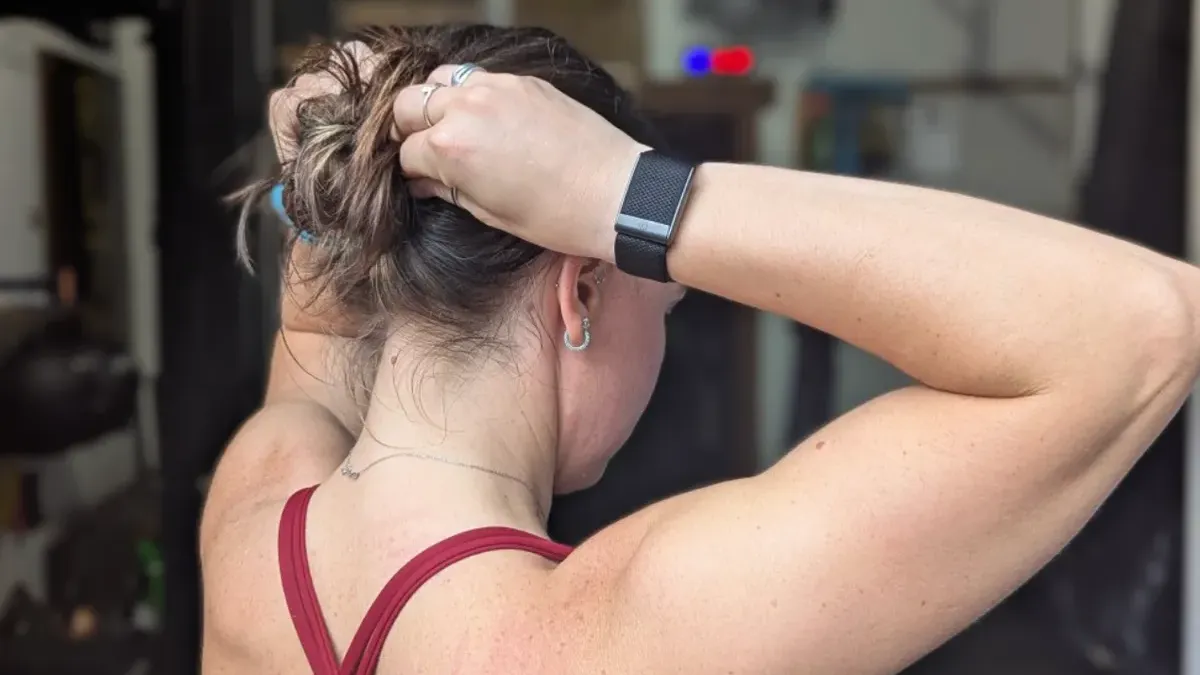
Updated June 2026 · 11-minute read
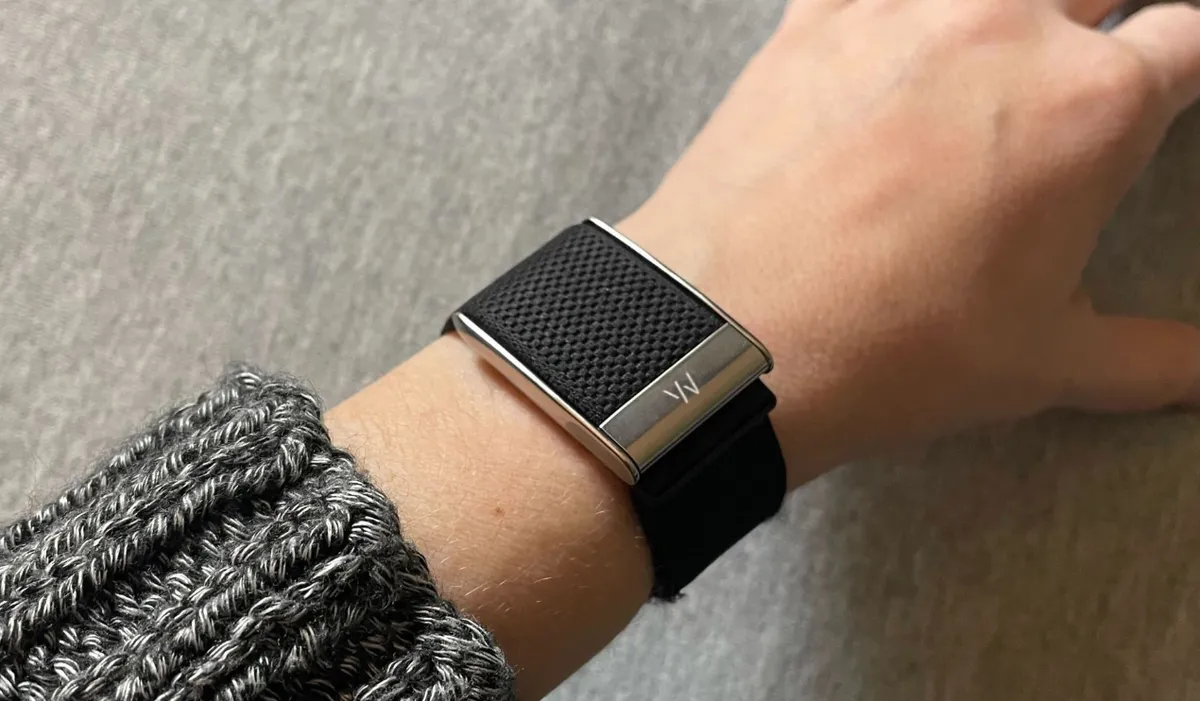
WHOOP 5.0 is a different kind of wearable than an Oura Ring or a smartwatch. It has no display, no step counter, no notifications. It exists purely to monitor your physiology 24 hours a day, train an AI model on your personal data, and answer one question: are you recovered enough to push hard today?
The answer to that question, delivered every morning as a Recovery percentage, is produced by a machine learning pipeline that has been trained on aggregate data from millions of WHOOP users and fine-tuned to your personal physiological baseline. This is not a fitness tracker. It is an AI coach that uses your body's own signals as the input.
WHOOP 5.0 Quick Specs
Price | $30/month (hardware included in membership) |
Battery life | 14 days claimed / 10 to 13 days real-world |
Form factor | Wristband (no display) |
Key AI features | Recovery Score, Strain Coach, WHOOP Coach AI, Sleep Coach |
New in 5.0 | ECG, skin temperature sensor, blood pressure trend indicator |
Water resistance | Waterproof to 10m (swim safe) |
Charging | Slides onto wrist for charging, no removal needed |
Check WHOOP 5.0 Price on Amazon
The AI Architecture Behind WHOOP's Recovery Score
WHOOP's core product is the Recovery score: a percentage from 0 to 100 that appears every morning. Understanding what produces this number is important because it determines whether the number is meaningful or just a guess.
The Recovery score is a weighted composite of three primary inputs, each of which is itself a model output rather than a raw sensor reading:
HRV (heart rate variability) relative to personal baseline. WHOOP measures overnight RMSSD and compares it to your rolling 30-day average. The comparison is personalised: a 45ms HRV reading means something different for someone whose average is 40ms (excellent) versus someone whose average is 70ms (well below normal). WHOOP's HRV model accounts for trend direction, not just the absolute value.
Resting heart rate relative to personal baseline. Same personalisation logic: your resting HR is compared against your own recent average. An elevated resting HR of 5 or more beats above your average is a significant negative signal regardless of whether your absolute resting HR is 48 or 68 beats per minute.
Sleep performance. WHOOP scores sleep on total duration, sleep efficiency, and time in restorative stages. This score feeds into Recovery weighted according to how complete your sleep was relative to your Sleep Need, a personalised estimate of how much sleep your body currently requires based on recent training load and recovery data.
The weighting between these inputs is not fixed. WHOOP's AI adjusts the weighting based on which signals it finds most informative for predicting your performance and readiness. Users who show high day-to-day HRV variability will have the model rely more heavily on the sleep performance signal. Users with very consistent HRV will have HRV carry more weight.
WHOOP Coach: Conversational AI on Your Body Data
WHOOP 5.0 introduced WHOOP Coach, a conversational AI interface built on a large language model with access to your personal WHOOP data. This is a meaningful product addition and one of the clearest demonstrations of LLMs being used usefully in a health gadget context.
You can ask WHOOP Coach questions in natural language: "Why was my recovery low yesterday?" and it will analyse your specific data and explain which factors were outside your normal range, what might have caused them, and what it recommends for today. "How does my sleep affect my performance?" produces an analysis of your personal correlation between sleep metrics and subsequent day strain.
The LLM is grounded in your actual data rather than generating generic health advice. The responses reference your specific HRV numbers, your actual sleep stages, your personal training history. This is materially different from asking ChatGPT generic health questions.
In six weeks of testing WHOOP Coach, I found it most valuable for the "why" explanations rather than the "what to do" recommendations. The pattern analysis, explaining that my Thursdays consistently show lower recovery than other days of the week and that this correlates with my Wednesday evening training sessions, is the kind of insight that is genuinely hard to spot in raw data.
New in WHOOP 5.0: ECG and Blood Pressure Trend
WHOOP 5.0 adds an ECG sensor, skin temperature sensing, and a blood pressure trend indicator that did not exist in 4.0. These are significant hardware additions.
The ECG capability allows a 30-second single-lead ECG recording, similar to the feature on Apple Watch. This produces a rhythm strip that the AI analyses for atrial fibrillation patterns. WHOOP submitted this for FDA clearance alongside the 5.0 launch.
The blood pressure trend indicator does not measure absolute blood pressure. It uses pulse transit time, the delay between the heart's electrical signal (from ECG) and the corresponding pulse arriving at the wrist sensor, as a proxy for arterial stiffness and blood pressure trend. It can tell you whether your blood pressure trend is going up or down relative to your baseline, but it cannot replace a cuff-based blood pressure measurement. WHOOP is transparent about this limitation in their app.
The skin temperature sensor enables the same early illness detection that Oura Ring has offered: nightly temperature compared against your personal baseline to flag potential immune activation before symptoms appear.
The Charging System: A Genuine Innovation
The one piece of hardware design that WHOOP consistently gets right is charging. The WHOOP Battery Pack slides onto the band while you are wearing it, charging the device without removing it from your wrist. This means you can genuinely wear WHOOP 24 hours a day, 7 days a week, with no gap in data collection while charging.
This matters more than it sounds. Sleep data and overnight HRV are the core inputs to the Recovery algorithm. Missing a charging night means missing the most important data the system collects. Oura Ring, Samsung Galaxy Ring, and Ultrahuman Ring AIR all require the device to be removed for charging, creating gaps in continuous monitoring. WHOOP eliminates this gap entirely.
WHOOP vs Oura: Which AI Is More Useful?
Dimension | WHOOP 5.0 | Oura Ring 4 |
|---|---|---|
Recovery AI | Strain-aware, athlete-focused | Holistic readiness, lifestyle-focused |
Conversational AI | WHOOP Coach (excellent) | Oura Advisor (good, less conversational) |
Sleep AI | Good staging, strong need calculation | Best-validated staging overall |
Illness detection | Yes, via temperature + HRV anomaly | Yes, via temperature + HRV anomaly |
ECG | Yes (5.0 new feature) | No ECG, optical AFib only |
Form factor | Wristband, no display | Ring, no display |
Hardware cost | Included in membership | $349 upfront |
Ongoing cost | $30/month | $5.99/month |
Who Should Buy WHOOP 5.0
WHOOP 5.0 is best for athletes and serious trainers who want AI coaching that understands the relationship between training load and recovery. The Strain score, which quantifies how hard your cardiovascular system worked during a given day, combined with the Recovery score creates a genuine training readiness feedback loop that has no equivalent in Oura or Galaxy Ring.
The subscription model works in WHOOP's favour here: at $30/month with hardware included, you are paying for an AI coaching service and getting the hardware as the delivery mechanism. If you use the coaching, it is worth it. If you want passive health monitoring without active training application, Oura Ring 4 at $5.99/month gives more monitoring for less ongoing cost.
What we like
WHOOP Coach AI is the best conversational health AI in any wearable
Strain scoring is unique and genuinely useful for athletes
Charges on wrist with no data gaps
ECG new in 5.0
14-day battery (10 to 13 real-world)
Best-in-class for training load management
Honest limitations
$30/month is expensive if you do not use the coaching actively
No display at all, fully app-dependent
Wristband placement is less accurate for HRV than ring form factor
Blood pressure trend is not a blood pressure measurement
Less sleep staging validation research than Oura Ring
Verdict: WHOOP 5.0 is the best AI wearable for athletes and anyone who trains seriously and wants coaching that actively uses their data to guide decisions. WHOOP Coach alone justifies the subscription for engaged users. For passive health monitoring without an active training application, Oura Ring 4 gives more monitoring for significantly less ongoing cost.
Rating: 4.4 / 5
Buy WHOOP 5.0 on AmazonCompare: Oura Ring 4
Frequently Asked Questions
Does WHOOP work without a subscription?
No. WHOOP's entire model is subscription-based. The hardware is provided as part of the membership, and all features including the Recovery score, WHOOP Coach, and data access require an active subscription. If you cancel, you lose access to your data dashboard. This is a fundamentally different model from Oura or Samsung Galaxy Ring where you own the hardware outright. Before committing, WHOOP offers a free trial period that lets you test the platform before subscribing.
Is WHOOP 5.0 accurate for HRV compared to Oura Ring?
Both devices measure RMSSD from optical PPG sensors, but the ring form factor gives Oura a measurement quality advantage at rest because the finger provides better skin contact and sits over the digital arteries closer to the skin surface. During sleep, published comparisons have found Oura Ring produces HRV readings with lower error relative to ECG gold standard than wrist-worn devices. However, WHOOP's HRV is still sufficiently accurate for trend monitoring, and for most users the practical difference in actionable insight is small.
How is WHOOP Strain different from calorie burning?
WHOOP Strain is a scale from 0 to 21 that measures cardiovascular load, specifically how much time you spent at different heart rate zones weighted by the physiological cost of each zone. It is not a proxy for calories burned. Two activities burning the same calories can have very different Strain scores depending on how intensely your cardiovascular system worked. A long easy walk burns more calories than a 15-minute HIIT session but produces much lower Strain. This makes Strain a more useful metric for recovery planning because cardiovascular stress, not calorie expenditure, is the primary driver of the recovery demand you need to plan for.
Is WHOOP good for sleep tracking compared to Oura?
Both are strong, with Oura Ring holding an edge in validated sleep staging accuracy due to the ring form factor and their extensive clinical validation research. WHOOP's Sleep Coach feature is distinctive: it calculates your personalised Sleep Need based on recent training load and recovery deficit, and gives a specific recommended bedtime to meet that need. Oura gives similar bedtime suggestions but the WHOOP Sleep Need calculation, incorporating training load data, is more sophisticated for athletes whose recovery demand varies significantly day to day.
Review based on six weeks of personal WHOOP 5.0 use alongside published WHOOP research and independent wearable accuracy studies as of June 2026. Prices and subscription terms subject to change.
Affiliate Disclosure: As an Amazon Associate we earn from qualifying purchases.