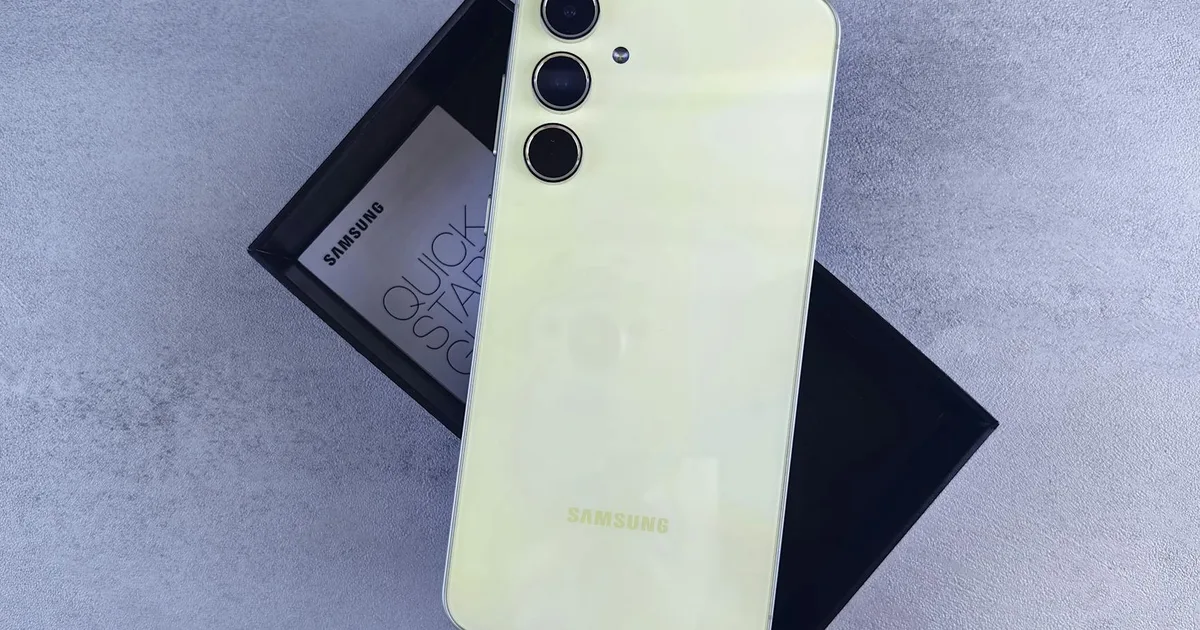
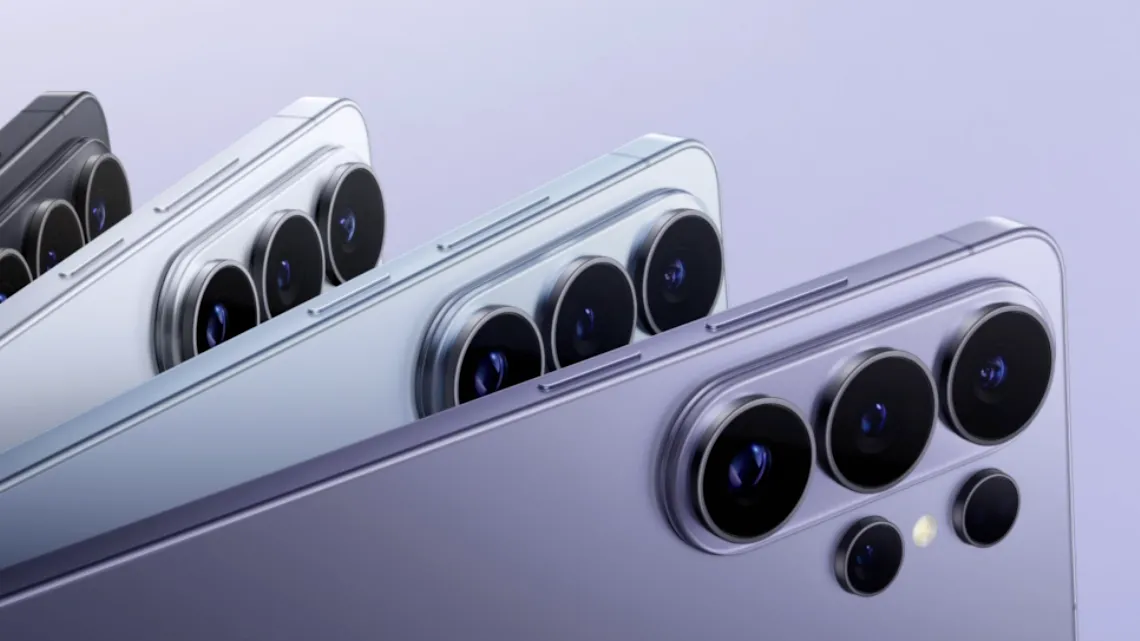
Galaxy S26 Ultra Review: 3 Weeks with Samsung's Best Phone
Three weeks ago I pulled the Galaxy S26 Ultra out of its box, transferred my SIM, and started using it as my only phone. No safety net, no test bench - just the $1,299 flagship doing daily work. Here is what I found.
The short version: Samsung has built a phone that fixes the main complaints from the S25 Ultra generation while refining every area it already led. The camera system is genuinely excellent, battery life is long, and the new Privacy Display feature is the kind of practical innovation that sounds gimmicky until you actually use it on a train. The only real gripe is 60W charging in a year when the competition has moved on.
Design and Build
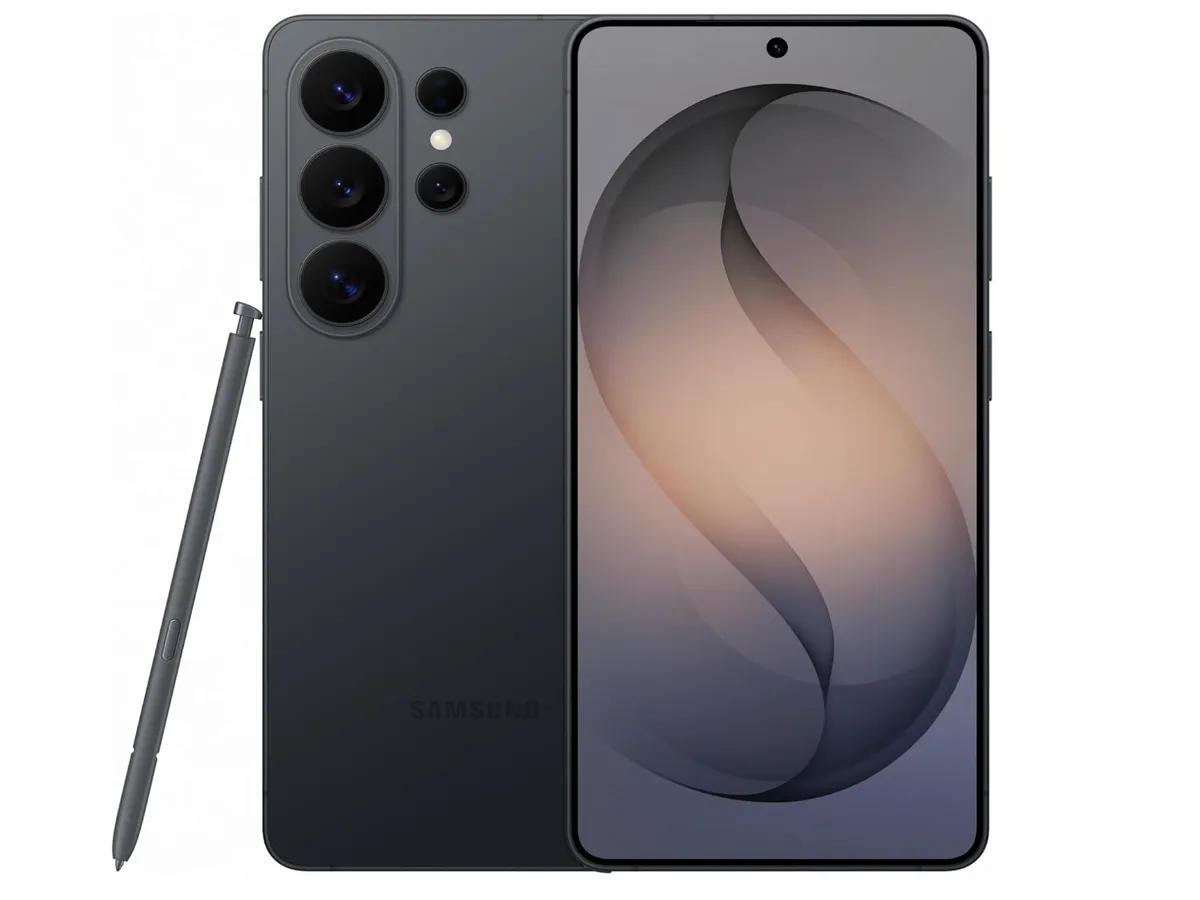
The S26 Ultra is 6.9 inches of flat display in a titanium frame that weighs 214 grams and measures 7.9mm thick. Those numbers put it in the company of phones that feel heavy on paper but balanced in the hand. In practice the weight is distributed well, and the flat sides give you something to grip rather than the slippery curved glass of older Samsung flagships.
The S Pen still lives in the bottom-left corner. Nothing has changed there, and nothing needed to. Samsung has the best stylus integration in the Android world and they know better than to redesign it. The silo is tight, the pen clicks home satisfyingly, and the latency is low enough that handwriting in the notes app feels close to real paper.
The titanium frame is the same material strategy Apple moved to two years ago, and the result is similar: a phone that feels premium without the cold slickness of aluminum. Scratches are less visible on the brushed finish than they would be on polished steel. After three weeks of daily use including one drop onto concrete from desk height, mine shows a small scuff on one corner and nothing on the display.
Display: The Best Panel Samsung Has Shipped
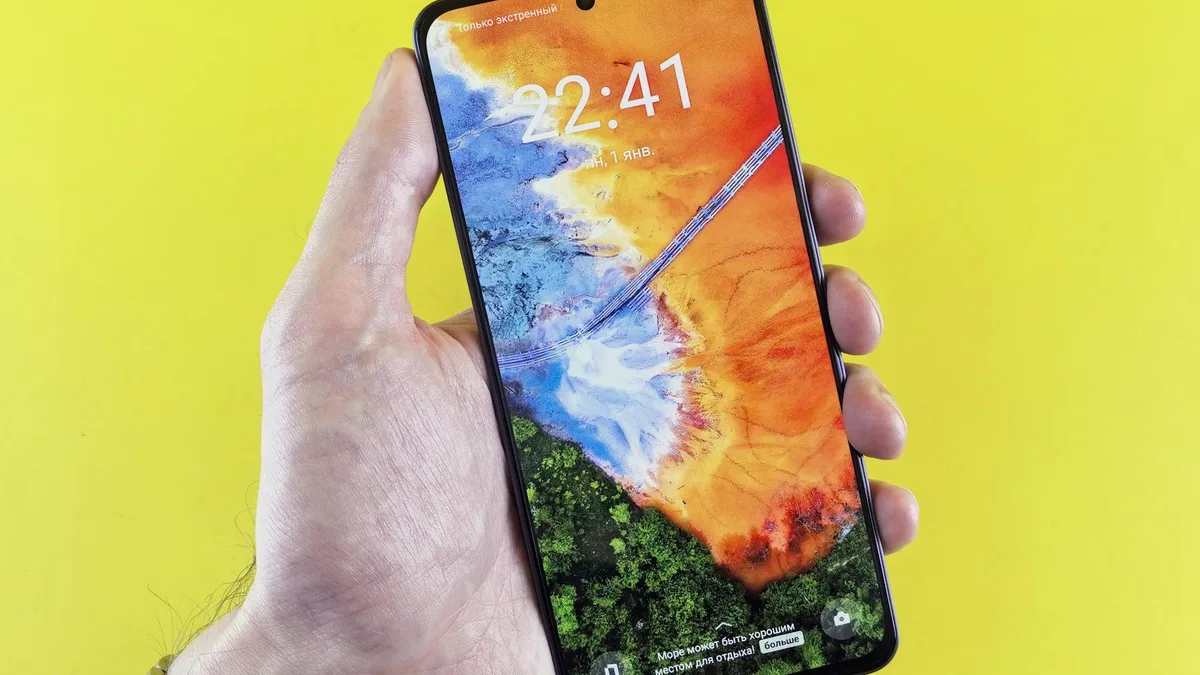
The 6.9-inch Dynamic AMOLED 2X display hits 2,600 nits peak brightness, and you will notice it. Direct outdoor use in bright sun is genuinely comfortable in a way that phones from two years ago were not. The panel is crisp at its native resolution and the adaptive refresh rate handles the transition between scrolling and static content smoothly.
Privacy Display deserves its own paragraph. It is a hardware-level feature that narrows the viewing angle so that someone sitting next to you on public transit cannot easily read your screen. Enabling it through the quick settings tile is a two-tap action. The effect is real - I tested it by having a colleague try to read my screen from 45 degrees off-axis and it looked washed out and dark from their perspective while remaining perfectly legible to me straight on. This is the kind of feature that will make business travelers very happy.
Colors are accurate in Natural mode and vivid in Vivid mode. The always-on display is readable without being battery-hungry. Samsung has refined this panel over years and it shows.
Camera System: Five Lenses That Actually Work Together
The S26 Ultra runs five cameras: a 200MP f/1.4 main, a 50MP 5x f/2.9 telephoto, a 10MP 3x lens, a 50MP ultrawide, and a 12MP selfie camera. That is a lot of glass, and Samsung has spent considerable engineering effort making them work as a coherent system rather than as a collection of individual sensors.
Main Camera (200MP f/1.4)
The f/1.4 aperture on the main sensor is the widest Samsung has shipped on a flagship and it matters most in low light. Indoor shots at parties, restaurants, and dim evening scenes come out with genuine detail and natural noise handling. The 200MP resolution is primarily used by the phone's image processing to deliver a sharper final 12MP or 50MP image rather than as a default full-resolution capture mode.
In daylight the main camera produces photos with Samsung's signature color science - slightly warm, high-contrast, punchy. If you prefer the more neutral look of Pixel photography you may want to spend time in the camera settings. But for sharing to social media or messaging, the defaults produce images that look good immediately without editing.
Telephoto Performance
The dual-telephoto setup is where the S26 Ultra earns a real advantage over most of its competition. The 3x and 5x lenses cover the most useful zoom ranges for everyday photography: portraits, subjects across a room, sports from the sideline, and detail shots of things you cannot get close to.
At 5x the f/2.9 aperture keeps subject separation reasonable and the optical stabilization handles handheld shots at reasonable shutter speeds. At 10x you are using digital zoom between the optical steps, and quality degrades appropriately. At 30x and beyond you are in territory that works for quick reference shots but not for anything you want to print large.
Horizon Lock Video
Horizon Lock is the video feature Samsung is promoting most heavily with this phone, and with good reason. It stabilizes footage by keeping the horizon level even as you physically tilt or rotate the phone. The effect is visible and useful when shooting handheld while moving - walking shots, sports, events. It does crop the field of view slightly to give the stabilization algorithm room to work, but the trade-off is worth it for the smoothness of the resulting footage.
Video quality in general is strong. 8K capture is there for those who need it. For most users 4K at 60fps is the practical maximum and it produces sharp, stable footage with good dynamic range.
Selfie Camera
The 12MP selfie camera is more than adequate. Face details are sharp, the autofocus handles moving subjects better than the previous generation, and portrait mode background separation is clean. This is not an area Samsung needed to overhaul and they did not.
Performance: Snapdragon 8 Elite Gen 5
The Snapdragon 8 Elite Gen 5 is the fastest mobile chip available in Android phones right now. In three weeks of daily use including heavy multitasking, gaming sessions, and running Samsung's AI features continuously, I did not find a task that made it hesitate.
App launch times are effectively instant. Switching between a dozen open apps produces no stutters. Gaming at high settings on demanding titles runs smoothly. The performance ceiling of this chip is high enough that it is not a factor in daily use decisions.
Sustained performance matters more than peak performance for most users, and the S26 Ultra handles extended workloads well. The vapor chamber cooling keeps throttling minimal during long gaming sessions or extended video processing. The phone does get warm under heavy load but not uncomfortably hot.
Battery Life and Charging
The 5000mAh battery delivers what Samsung promises. In three weeks I ended most days with 30 to 40 percent remaining under moderate to heavy use - a mix of browsing, email, camera use, and some gaming. On lighter days I sometimes went a day and a half between charges. Heavy users running GPS navigation, continuous video streaming, or gaming for hours will land closer to end-of-day with low battery, but they will make it.
Here is the problem: 60W wired charging. In 2026 that is not enough for a $1,299 phone. The iPhone 17 Pro Max charges at 40W but Apple was already behind the curve when they shipped that. Chinese flagship phones from Xiaomi and OnePlus charge at 90W or 100W. Samsung knows this is a criticism - it was a criticism of the S25 Ultra too - and they have not addressed it. The phone supports 15W wireless charging and 4.5W reverse wireless charging, which are fine for their use cases, but when you need to top up quickly before leaving the house, 60W feels slow compared to what the competition offers.
From empty to full takes roughly 75 minutes. From 20 percent to 80 percent takes about 35 minutes. If you charge overnight this is not your problem. If you need fast top-ups it is a genuine limitation.
One UI 8.5 and Android 16
The S26 Ultra ships with One UI 8.5 on top of Android 16. Samsung's software layer has improved significantly over the last few generations. The bloatware situation is better than it used to be, though not eliminated. The duplicate apps from Samsung and Google for the same function are still there, and you can disable most of them if they annoy you.
The AI features under the Galaxy AI banner are a mixed bag in the usual way of smartphone AI features. Generative Edit in the gallery is genuinely useful for removing objects or extending backgrounds in photos. Live Translate works well for real-time conversation translation through the earpiece. Circle to Search, carried over from previous generations, remains one of the most practical AI integrations on any smartphone.
Note Assist in Samsung Notes is useful for people who take a lot of handwritten notes with the S Pen - it can summarize, reorganize, and search handwritten content. If you are not an S Pen note-taker this feature is invisible to you.
The seven years of OS and security updates commitment is worth calling out explicitly. Buying this phone today means Samsung will support it through 2033. For a device at this price point, that is the right policy and it affects the real-world value calculation significantly.
Who Should Buy the Galaxy S26 Ultra
The S26 Ultra makes the most sense for people who:
Use their phone camera seriously and want the best zoom range in the Android ecosystem
Take handwritten notes and want the best stylus on any smartphone
Value display quality above almost everything else
Travel for work and will appreciate Privacy Display in airports and planes
Want a phone that will be well-supported for the next seven years
It is harder to recommend if fast charging is a priority, if you prefer the iPhone ecosystem, or if $1,299 is more than you want to spend on a phone. The Pixel 10 Pro at $999 covers most of the practical bases for $300 less.
Specs at a Glance
Specification | Galaxy S26 Ultra |
|---|---|
Processor | Snapdragon 8 Elite Gen 5 |
Display | 6.9" Dynamic AMOLED 2X, 2600 nits |
Main Camera | 200MP f/1.4 |
Telephoto | 50MP 5x f/2.9 + 10MP 3x |
Ultrawide | 50MP |
Selfie | 12MP |
Battery | 5000mAh |
Charging | 60W wired, 15W wireless |
OS | One UI 8.5 / Android 16 |
Updates | 7 years |
Weight | 214g |
Thickness | 7.9mm |
Price | $1,299 |
Released | March 11, 2026 |
Verdict
The Galaxy S26 Ultra is the best Android phone available right now. The camera system is comprehensive and capable, the display is excellent, the performance is more than adequate, and the seven-year update commitment makes the price easier to justify over time. Privacy Display is a practical premium feature rather than a marketing bullet point.
The 60W charging ceiling is a real limitation at this price point and the software still carries more bloat than it should. These are manageable issues, not dealbreakers.
If you are buying an Android flagship in 2026, the S26 Ultra is the phone to beat.