Most AI gadgets don't matter. They sell for a year or two, get quietly discontinued, and leave no trace on how we live. A small number of devices did something different: they defined a category, shifted consumer behavior, or demonstrated what AI could actually do in people's hands. This is that list.
The criteria for inclusion are simple. The device had to change something - the market, the user behavior, the standard for what AI hardware could be. It did not have to be the best product of its generation. It had to be the most consequential.
At the end: the devices that failed spectacularly and what their failures teach us.
Amazon Echo (1st Generation, 2014)
Launch price: $179 | Category created: Voice-first smart speakers
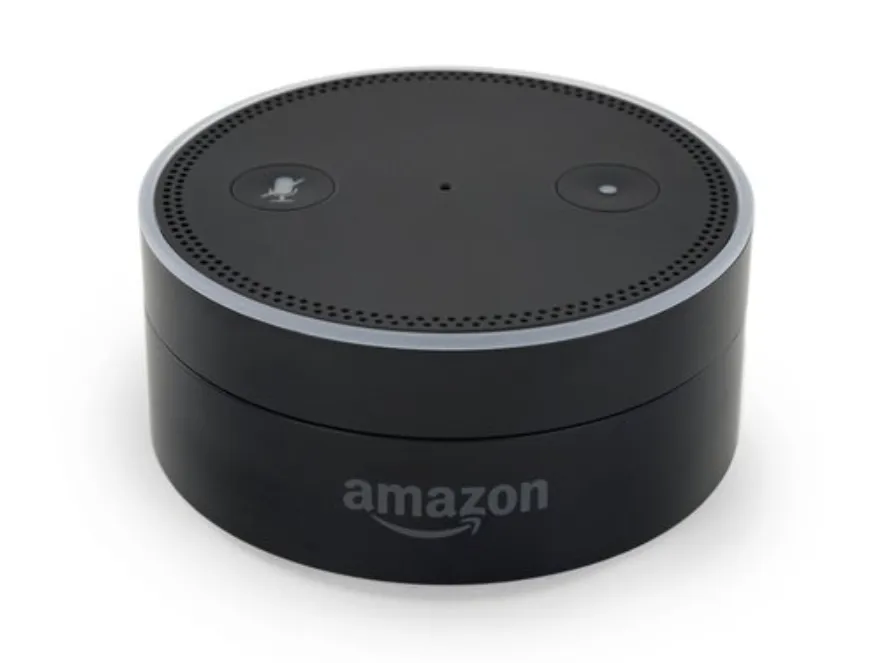
Amazon announced the Echo in November 2014 in a low-key email to Prime members. Nobody expected it to matter. A cylindrical speaker with a voice assistant, no screen, no hands-on interface. The idea of talking to a device in your kitchen and having it understand you seemed like science fiction made awkward.
Within two years, Amazon had sold over 10 million units. Within four years, Google, Apple, and Samsung had all built competing products. By 2024, smart speakers were in more than 35% of American households.
What the Echo proved: consumers would talk to AI in their homes if the device was always-on, always-listening, and actually useful at specific tasks. It didn't need to be intelligent in the broad sense. It needed to be reliably good at timers, weather, and music. Everything else followed from that beachhead.
The Echo also established the precedent - good and bad - of always-on microphones in private spaces. Every privacy debate about smart speakers traces back to the design decisions Amazon made in 2014. The Echo is the ancestor of every voice-first AI device in the market today, including the 2026 Echo Dot Max and the new Google Home Speaker.
Legacy: Directly spawned Google Home (2016), Apple HomePod (2018), and the entire smart speaker category. Amazon's Echo line, now headlined by Echo Dot Max at $100 in 2026, remains the best-selling smart speaker brand globally.
Nest Learning Thermostat (2011)
Launch price: $249 | Category created: AI-powered home appliances
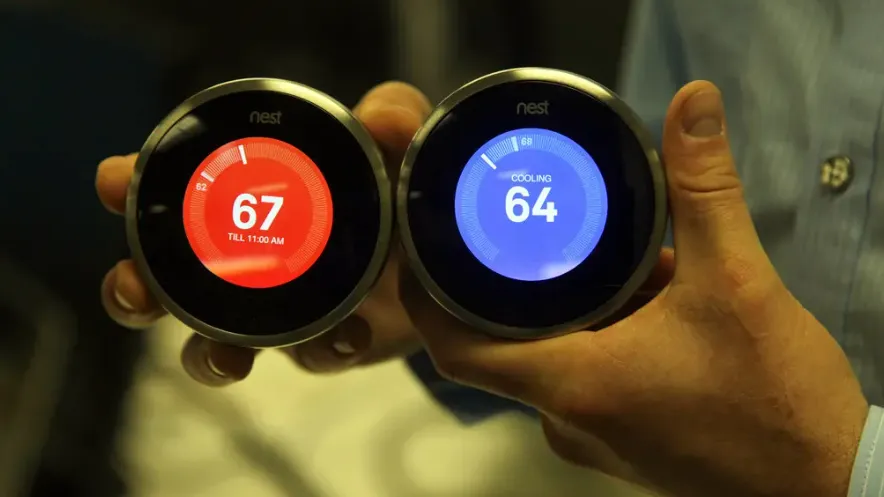
Before the Nest Learning Thermostat, home automation was for enthusiasts willing to wire custom systems and write scripts. Tony Fadell and Matt Rogers - both ex-Apple - launched Nest in October 2011 with a thermostat that looked like a piece of industrial design, not a plastic utility box. More importantly, it learned your schedule automatically. Walk in at 6pm every weekday and turn the heat up to 72, and within a week the Nest did it without being told.
The machine learning underneath was simple - pattern recognition on time-of-day and temperature preferences, supplemented by occupancy sensing. But it was the first time most consumers encountered an AI-powered device in their home that demonstrably reduced their utility bills and required no configuration expertise.
Google acquired Nest for $3.2 billion in 2014, one of the defining early acquisitions of the smart home era. The 4th generation Nest Learning Thermostat, at $279, is still the category benchmark in 2026 - the same core concept, significantly more sophisticated AI, thirteen years of refinement.
Legacy: Proved that AI could make a mundane home appliance meaningfully smarter, not just internet-connected. Set the design and interaction standard that every smart thermostat still chases.
AirPods Pro (1st Generation, 2019)
Launch price: $249 | Category created: AI-powered consumer audio
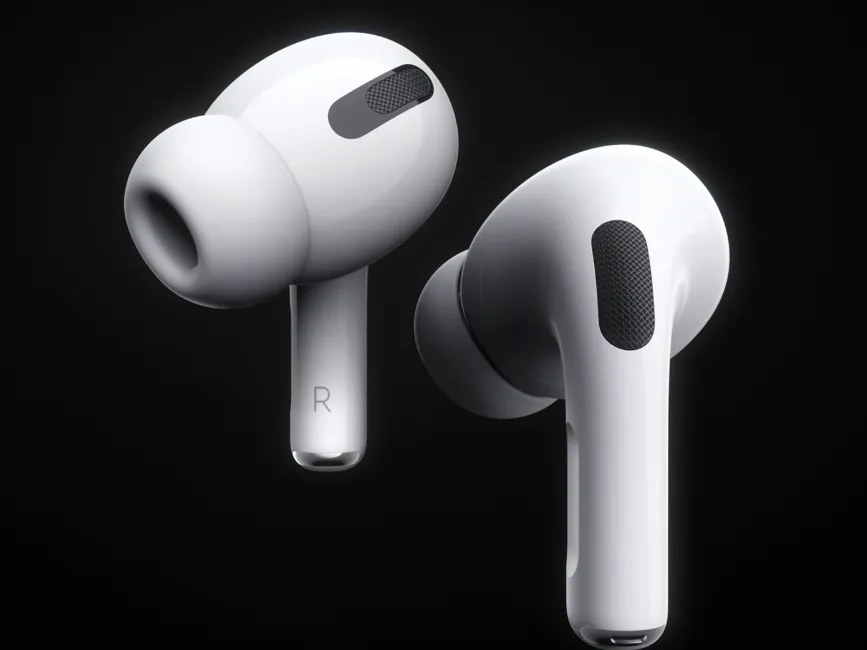
The original AirPods (2016) were important because they made truly wireless earbuds mainstream. AirPods Pro (October 2019) were important because they put machine learning into audio for the first time at consumer scale.
Active Noise Cancellation in AirPods Pro was not the first ANC in headphones - Sony and Bose had it years earlier. What was new was the processing architecture: two microphones per earbud, a dedicated H1 chip, and software that ran a continuous adaptive loop 200 times per second to tune noise cancellation to your specific ear shape and ambient environment. Personalized Spatial Audio, added later, used the same architecture to map audio to your head geometry.
AirPods Pro also introduced Transparency Mode - hearing the world through the earbuds with AI processing, not removing them. The 2nd generation (2022) added the H2 chip and adaptive audio. The FDA hearing aid clearance in 2024 was the product's most significant expansion: AirPods Pro became medical devices accessible without a prescription. AirPods Pro 3, current as of 2026, refines the FDA hearing aid capability further.
Legacy: Established AI-driven audio processing as a consumer standard. Every major earbud - Galaxy Buds 4 Pro, Pixel Buds Pro 2, Sony WF-1000XM series - uses adaptive ANC architecture that AirPods Pro pioneered.
Apple Watch Series 4 (2018)
Launch price: $399 | Category milestone: AI health detection in a consumer device
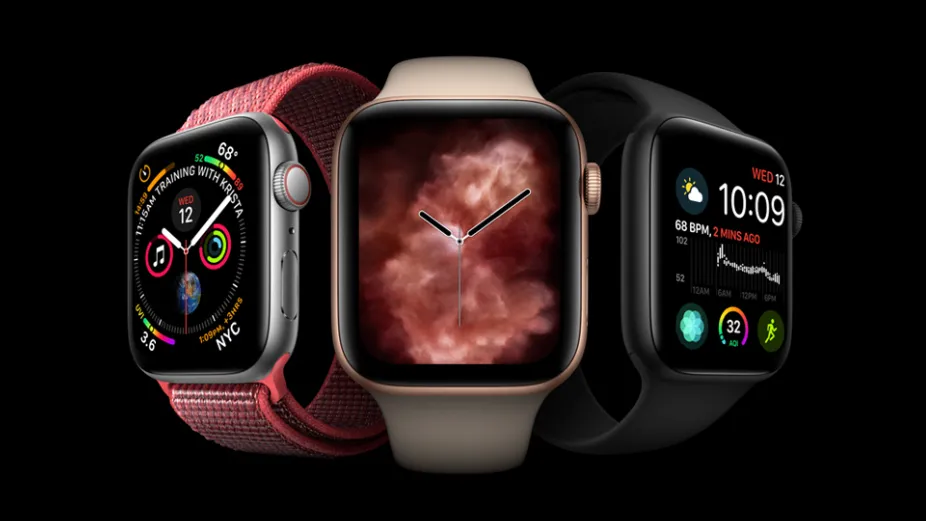
Series 4 was the first mass-market device to put medical-grade health monitoring on a consumer wrist with FDA clearance. The ECG feature detected atrial fibrillation - the most common heart arrhythmia and a leading stroke cause - in a 30-second wrist measurement. Before Series 4, this required a clinical machine and a physician visit. Fall detection, using motion sensors and machine learning to distinguish accidental falls from deliberate movements, had documented life saves within months of launch.
Apple Watch Series 11 in 2026 adds continuous sleep apnea detection, blood oxygen monitoring, and expanded health metrics that trace their regulatory pathway directly to what Series 4 established in 2018.
Legacy: Redefined what a consumer wearable was permitted to do. Created the FDA-clearance pathway that Pixel Watch's Loss of Pulse Detection, AirPods Pro 3's hearing aid certification, and Apple Watch Series 11's sleep apnea detection followed.
iRobot Roomba Max 705 (2021)
Launch price: $799 | Category milestone: Computer vision for home robotics
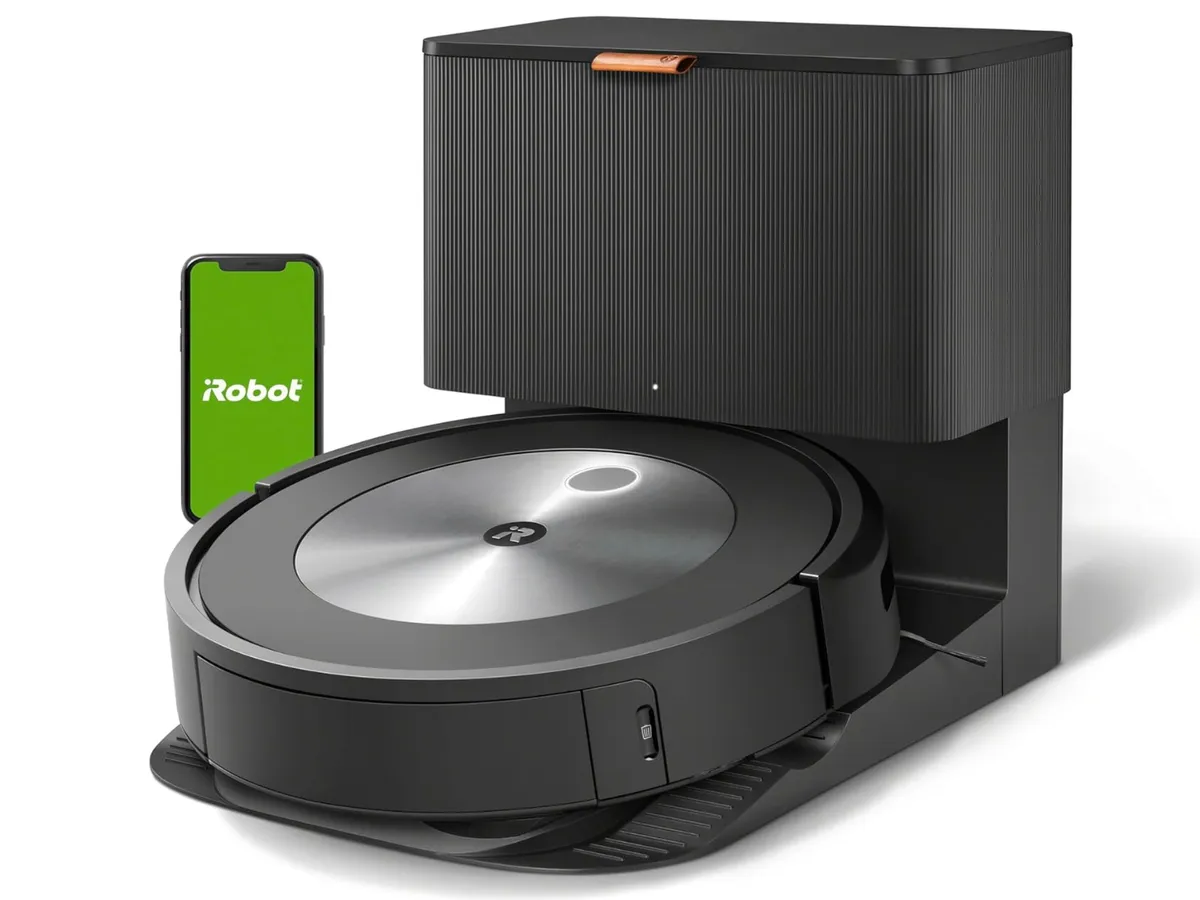
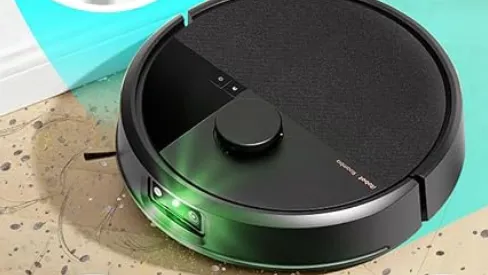
Robot vacuums before j7+ were dumb - they bumped into things, got stuck on cables, and inhaled pet waste. The Roomba Max 705 (September 2021) introduced PrecisionVision Navigation: a forward-facing camera and a neural network trained on millions of home obstacle images, running real-time inference on the robot's embedded chip. It avoided charging cables, shoes, socks, and pet waste before encountering them.
iRobot backed this with the "Pet Owner Official Promise" (P.O.O.P.) guarantee: if the j7+ ran over pet waste, iRobot replaced the robot for free. No vacuum had made that commercial commitment before. j7+ was the first robot vacuum most users found genuinely reliable rather than occasionally useful.
Legacy: Set the computer vision standard that every subsequent robot vacuum adopted. Moved the category from novelty to appliance.
Oura Ring Gen 3 (2021)
Launch price: $299 + subscription | Category created: Invisible biometric monitoring
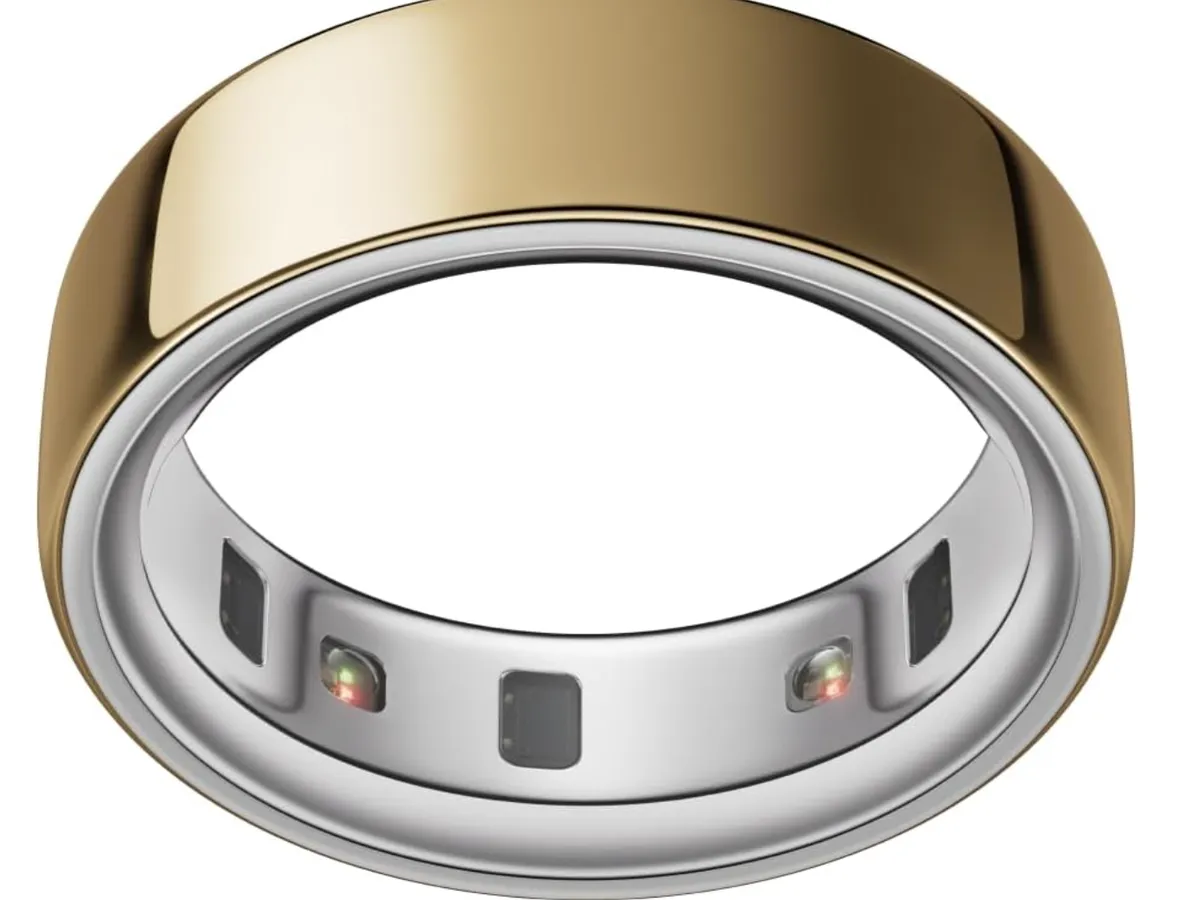
Oura Gen 3 established invisible health monitoring as a viable consumer category. The core insight: the finger produces cleaner optical biometrics than the wrist - less motion noise, denser vasculature, comfortable for all-night wear. Gen 3 added skin temperature sensing, enabling menstrual cycle tracking and early illness detection; clinical studies during COVID showed Oura temperature data flagged elevation 2-3 days before symptom onset.
Readiness Score - a daily AI-generated 1-100 recovery metric synthesizing HRV, resting heart rate, sleep quality, and temperature - became the product's defining output. Athletes, executives, and shift workers reported changing behavior based on daily scores. That behavioral integration at consumer scale hadn't been achieved by any prior wearable. Oura Ring 4, current in 2026, refines the sensor accuracy and extends battery life.
Legacy: Created the smart ring category. Prompted Samsung Galaxy Ring (2024), Ultrahuman Ring PRO ($479), and ongoing competitive expansion that has validated invisible biometrics as a permanent alternative to screen-centric wearables.
Google Pixel 2 (2017)
Launch price: $649 | Category milestone: Dedicated AI for mobile photography
Pixel 2 had one camera sensor. iPhone X, launched the same month, had two. Galaxy S8 had a better spec sheet. Pixel 2 was the best smartphone camera of 2017 by a significant margin, and the reason was software. Google's Visual Core chip - the first dedicated image processor in a consumer phone - combined with the HDR+ algorithm captured dozens of frames at different exposures and merged them with a trained model to produce photos that correctly exposed both sky and foreground simultaneously. The approach was called computational photography.
The NPU arms race Pixel 2 started in 2017 culminates in 2026 with Apple's A19 Pro (TSMC 3nm) at 38+ TOPS, Qualcomm Snapdragon 8 Elite Gen 5, and Google's own Tensor G5 with 60% more TPU capacity than its predecessor.
Legacy: Established computational photography as the dominant mobile camera paradigm. Every phone camera today is compared primarily on AI image processing - a framework Pixel 2 created. Built the commercial case for the NPU arms race that defines chip design in 2026.
Meta Ray-Ban Smart Glasses Gen 2 (2023) and Display Model (2026)
Gen 2 launch price: $299 | Display model: Available 2026 | Category milestone: Consumer smart glasses that people actually wear
Smart glasses had one prior major attempt: Google Glass (2013). Google Glass was technically interesting and practically unwearable. The design made users look like surveillance equipment, the battery lasted under 4 hours, and the use cases were unclear. It became a symbol of tech hubris.
The 2023 Meta Ray-Ban iteration added Meta AI: a multimodal assistant that could answer questions, describe what the camera was pointing at, translate spoken language, and manage calls and messages - all through a small speaker in the frame and a microphone in the temple. The design was indistinguishable from standard Ray-Ban Wayfarers and Headliners.
Sales exceeded 2 million units by late 2024. Real people were wearing them in public without embarrassment. Meta's 2025 updates added expanded visual AI - the glasses could read menus, identify products in stores, and describe scenes for visually impaired users. Smart glasses went from a failed category to a growing one.
In 2026, Meta launched the Ray-Ban Display model - the first iteration to add an actual visual overlay to the frame while maintaining the Wayfarer form factor. The Display model adds a subtle heads-up notification layer and navigation prompts visible to the wearer without the conspicuous visor design that killed Google Glass. Meta also offers Ray-Ban Gen 2 with prescription lenses through Blayzer and Scriber optical partners at $799, bringing the AI glasses experience to the roughly 75% of adults who require vision correction. This prescription availability removes the barrier that limited smart glasses to people who either had perfect vision or wore contacts.
Legacy: Proved that wearable AI interfaces can succeed if form factor matches existing behavior. The Gen 2 established the design constraint all future smart glasses must meet. The 2026 Display model and prescription options are proving that constraint can be maintained while adding functional display capability - validating the category's long-term commercial viability.
Tesla Autopilot (2015)
Launch: October 2015 over-the-air update | Category created: Consumer AI driving assistance
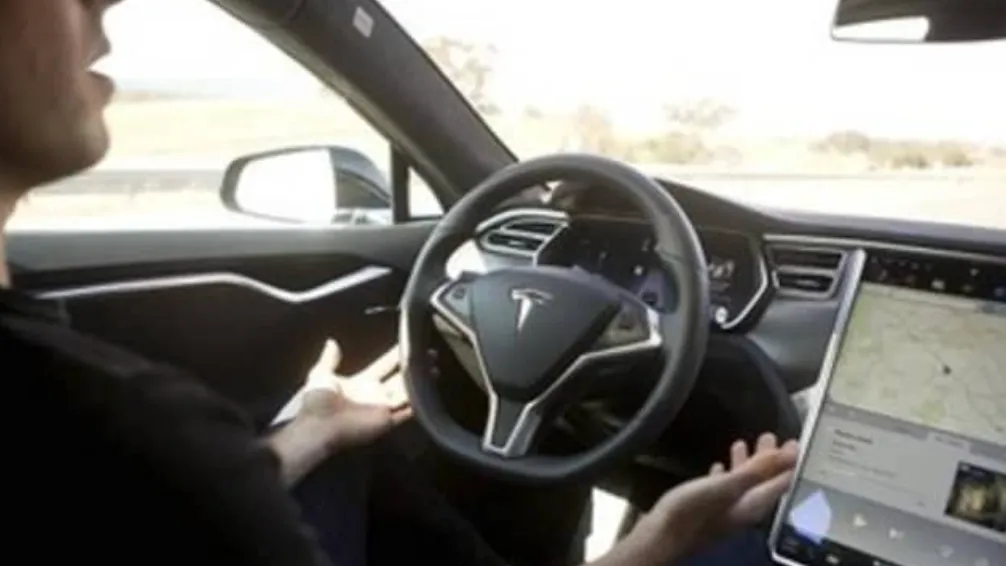
Tesla's Autopilot update arrived as a software download to existing Model S vehicles in October 2015. Neural networks trained on hundreds of millions of miles of fleet data enabled highway lane keeping, automatic lane changes, and traffic-aware cruise control - delivered over the air to cars already in driveways. No consumer vehicle had offered anything close. GM's Super Cruise wasn't available until 2017. Mercedes' Drive Pilot arrived years later.
Autopilot's market success - and the consumer willingness to pay for and trust AI driving assistance - accelerated every major automaker's ADAS investment and triggered the regulatory frameworks for autonomous driving that remain in place in 2026. Its failures were equally consequential, establishing the AI liability and driver responsibility debates that regulators are still navigating.
Legacy: Made AI the foundation of modern vehicle design. Every new car sold in 2026 with lane assist, emergency braking, or adaptive cruise control owes its commercial viability to what Autopilot proved in 2015.
Hall of Fame at a Glance
Device | Year | What It Changed | Still Relevant? |
|---|---|---|---|
Amazon Echo (1st gen) | 2014 | Created voice-first smart speakers | Yes - Echo Dot Max leads category |
Nest Learning Thermostat | 2011 | AI in home appliances, mainstream | Yes - 4th gen still category benchmark |
AirPods Pro (1st gen) | 2019 | AI audio processing, ANC standard | Yes - AirPods Pro 3 current |
Apple Watch Series 4 | 2018 | Medical-grade AI on consumer wrist | Yes - Series 11 continues lineage |
iRobot Roomba Max 705 | 2021 | Computer vision in home robotics | Yes - j9+ succeeds it |
Oura Ring Gen 3 | 2021 | Created invisible wearable category | Yes - Oura Ring 4 current |
Google Pixel 2 | 2017 | AI over hardware in phone cameras | Yes - Pixel 10 / Tensor G5 lineage |
Meta Ray-Ban Gen 2 | 2023 | Made smart glasses socially viable | Yes - Display model + prescription 2026 |
Tesla Autopilot | 2015 | AI driving assistance mainstream | Yes - in every car sector |
The Hall of Shame: What Failed and Why
Humane AI Pin (2024)
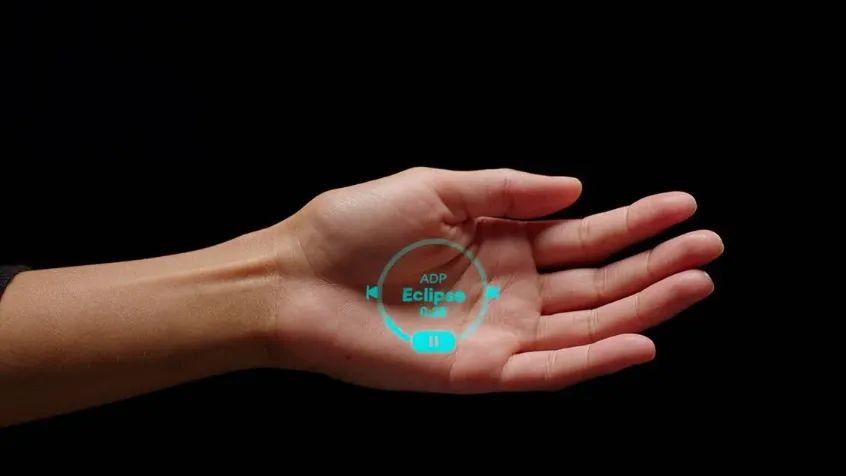
Humane was founded by ex-Apple engineers and raised $240 million. The AI Pin - a $699 device worn on clothing with a projector and a voice AI - shipped in April 2024 to devastating reviews. The projector was too dim to see in daylight. The response latency was 10-20 seconds for simple queries. The battery lasted under 3 hours. The AI hallucinated facts in product demo videos. Humane sold approximately 10,000 units before effectively abandoning consumer sales and seeking acquisition. The company sold its assets to HP in 2025 for $116 million - roughly half its fundraising amount.
Why it failed: The device shipped before the technology was ready. The projector-on-clothing interface required perfect ambient conditions that real-world environments don't provide. Most fatally, it couldn't do basic tasks reliably - a voice AI that takes 15 seconds to answer a question and frequently gives wrong answers is not a product.
Rabbit R1 (2024)
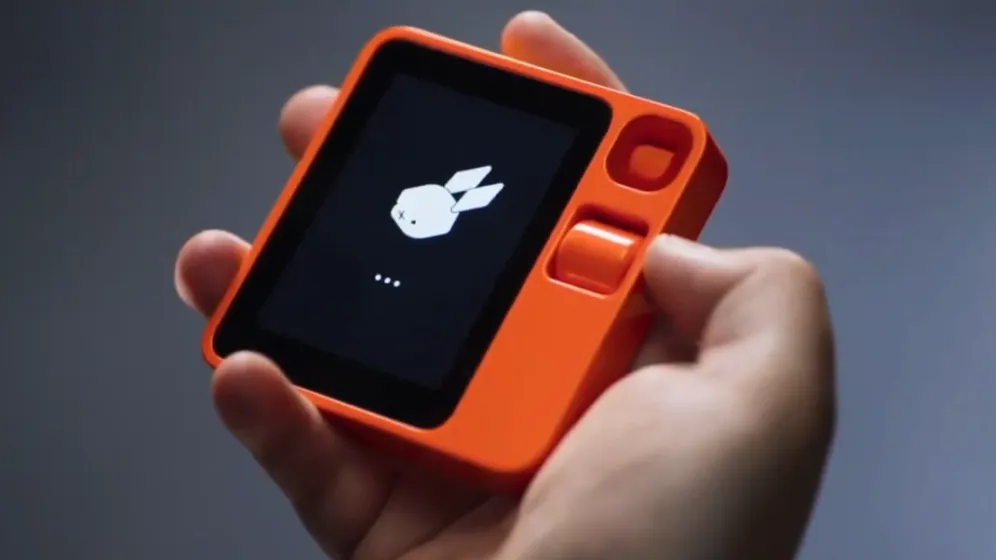
Rabbit raised $10 million from 50,000 pre-orders for R1, a $199 orange AI device with a rotating camera and a conversational interface. It shipped in April 2024 to reviews that found the Large Action Model - the device's defining feature, meant to control apps on your behalf - barely functional. The R1 couldn't reliably order an Uber or send a message. Reviewers found that the R1's software ran as a web app and could be run on a smartphone without the physical device.
Why it failed: The core feature was technically immature at launch. Rabbit shipped on hype and had not solved the fundamental challenge. The R1 became the defining example of AI gadgets that demonstrate concepts rather than deliver products.
Google Glass (2013)
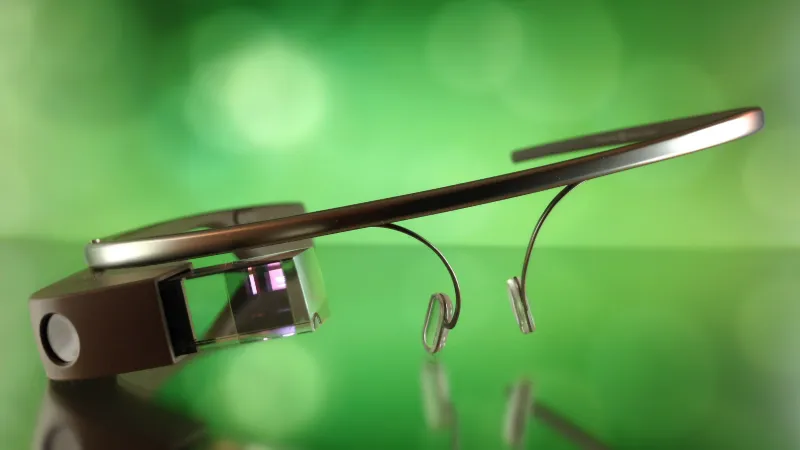
Google Glass was an extraordinary technical achievement - a heads-up display in eyewear, voice-activated, with a camera, GPS, and cloud connectivity - that failed for reasons that had nothing to do with what it could do. The $1,500 price limited it to tech enthusiasts. The camera raised surveillance concerns that generated public hostility. The battery lasted under four hours. The design was socially conspicuous in a way that made normal interactions awkward.
Why it failed: Wrong form factor, wrong price, wrong social moment. Glass solved the technical problem of putting a display in glasses but didn't solve the human problem of making them wearable in daily life. The contrast with Meta Ray-Ban's success - and with the 2026 Ray-Ban Display model maintaining the standard Wayfarer look while adding an actual display - is the clearest lesson in AI gadget history: the technology is table stakes. The form factor is the product.
What the Failures Have in Common
All three Hall of Shame devices shipped before the core feature worked reliably in real-world conditions. Humane AI Pin's projector was unreadable in sunlight. Rabbit R1's Large Action Model failed at the demo tasks in its launch video. Google Glass required users to accept public hostility as a condition of use.
Hall of Fame devices were narrow and reliable before they were ambitious. Echo answered timers and weather correctly before it became a smart home hub. AirPods Pro blocked noise reliably before they became hearing aids. Meta Ray-Ban played music and handled calls before it added a display overlay. Narrow and reliable beats broad and broken, every time.
Sources
Frequently Asked Questions
Is the original Amazon Echo still worth anything historically?
The 1st gen Echo is a collector's item among tech historians, but functionally obsolete - Amazon ended software support for it in 2021. Its historical significance is unquestionable: it demonstrated consumer willingness to put always-on AI in private homes, which was genuinely non-obvious in 2014. The 2026 Echo Dot Max with Alexa+ is the direct descendant - same core form factor, rebuilt AI engine, twelve years of refinement.
Why isn't Siri on this list?
Siri launched in 2011 and was the first mainstream AI voice assistant on a consumer device. Its absence from the Hall of Fame is a deliberate editorial call: Siri's influence was real but its execution has consistently disappointed. It established the voice interface concept but never delivered on it until the iOS 26 Apple Intelligence overhaul. The Echo, which launched 3 years later, made voice AI actually work for everyday tasks in a way Siri had promised but not achieved. Devices earn this list on impact, not invention credit. Siri's 2026 Gemini-powered version is the best it has ever been - but the historical impact award belongs to the Echo.
Will any 2025-2026 devices make this list eventually?
Meta Ray-Ban Display model (2026) is the most likely future entrant - if it proves that a heads-up display can be embedded in consumer eyewear at consumer prices without sacrificing the form factor that made Gen 2 viable. Galaxy Ring (2024) validated Samsung as a player in the invisible wearables category that Oura Ring created. The most likely landmark entrant is whatever device first makes conversational AI genuinely ambient - responding appropriately without requiring a wake word, an app launch, or any deliberate invocation. We are close. We are not there yet.
What made Meta Ray-Ban succeed where Google Glass failed?
Three things. First, form factor: Ray-Ban Gen 2 looked like actual Ray-Ban Wayfarers. Google Glass looked like prototype hardware. Second, use case match: Ray-Ban Gen 2 did things people already did with earbuds - music, calls - plus added Meta AI for questions. Glass tried to replace a phone screen on your face, which is a harder behavioral change to sell. Third, price: $379 versus $1,500. The 2026 prescription options at $799 (Blayzer/Scriber) solve the remaining friction point that limited Gen 2 to the segment of the population that does not require corrective lenses.