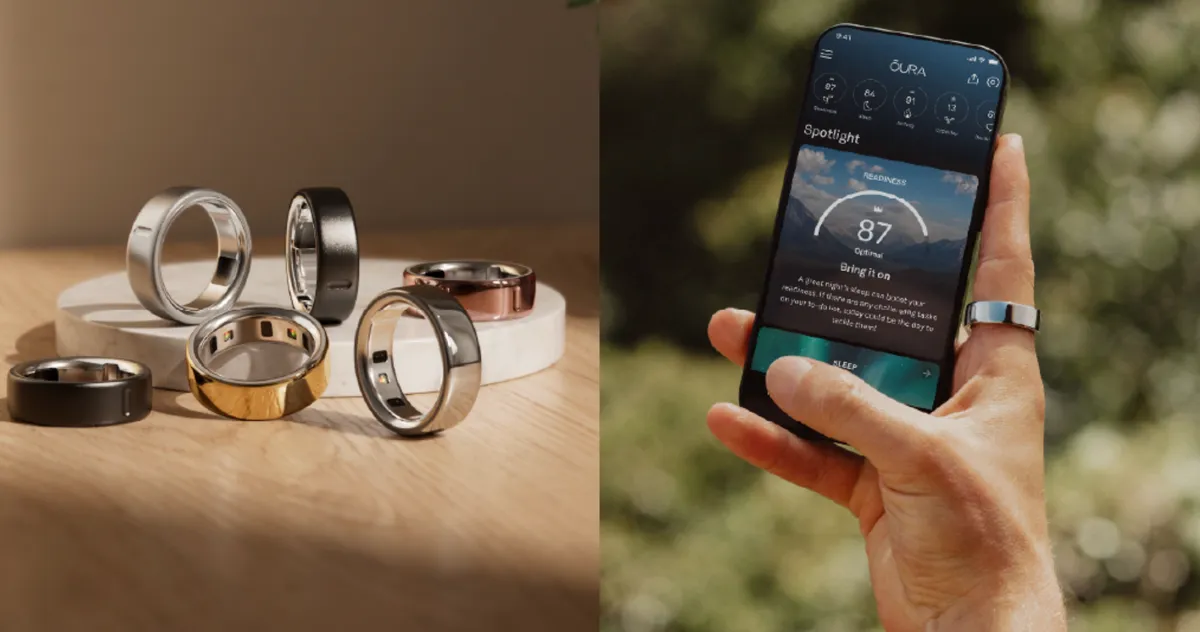
This article is for general information only. The Oura Readiness Score is a wellness tool, not a medical device, and does not diagnose anything. If a low score persists with no clear cause, consult a healthcare professional.
Your Oura Readiness Score drops when your overnight HRV, resting heart rate, body temperature or sleep move away from your personal baseline. The key word is "your" baseline, not a population average, which is why two people with the same habits can get very different scores. Here are the eight real reasons a score comes in low, and how to tell which one is yours.
What the Readiness Score Actually Measures:
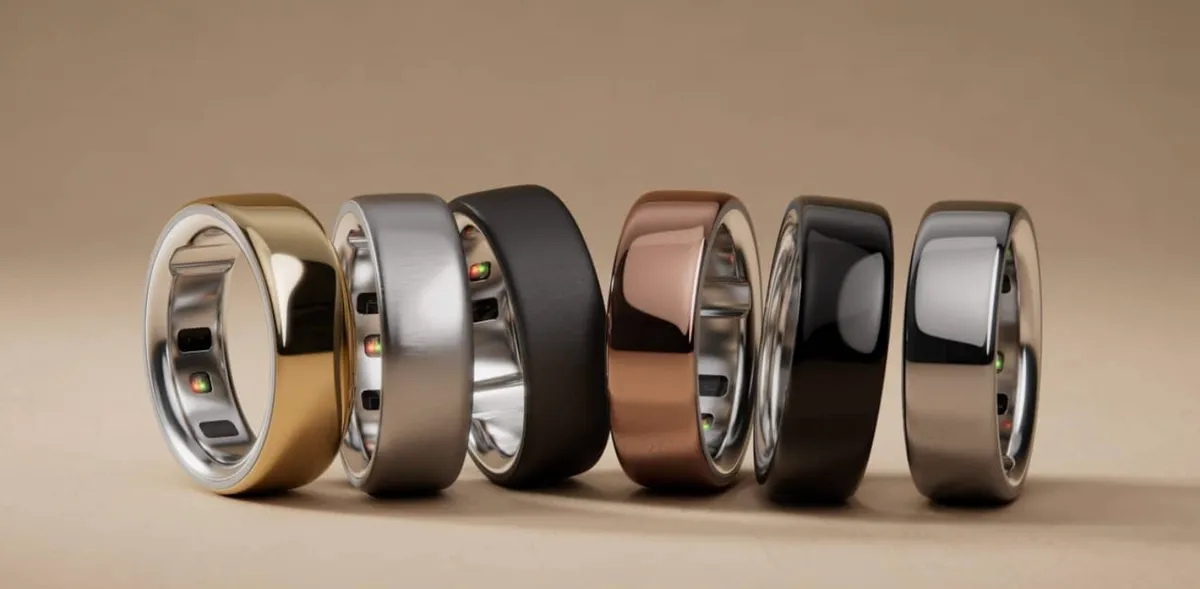
The score is a single number from 1 to 100, built from seven weighted inputs. Oura does not publish the exact formula, but all seven appear when you tap the score: resting heart rate, HRV balance, body temperature, recovery index, sleep score, previous day activity, and activity balance.
A low reading always traces to one or more of these, so the fastest fix is to tap the score and see which factor is flagged.
Reason 1: Your HRV Dropped Below Baseline:
HRV Balance is usually the heaviest contributor to a low score. When your overnight heart rate variability falls 10 to 20 percent below your 2-week average, it signals your body is under stress.
Common causes: alcohol within four hours of sleep, a hard workout the day before, work or life stress, early illness, poor sleep, or travel. If HRV is the flagged factor, look at the 24 hours before that night and you will usually spot it.
Reason 2: Your Resting Heart Rate Was Elevated:
Oura takes your resting heart rate as the lowest 5-minute average during sleep. When it sits above your recent average, your body is working on something: recovering from exercise, fighting infection, processing alcohol, or handling stress. Quick check: tap Readiness, then Resting Heart Rate, and see if last night's dot sits above your 30-day line.
Reason 3: Your Body Temperature Was Elevated:
Oura tracks skin temperature against your baseline. Small swings of half a degree are normal, but a sustained rise above roughly one degree flags this factor. Three causes: illness, which the sensor often catches a day or two before you feel sick; the luteal phase after ovulation, which raises temperature naturally; and simply a warm room. If temperature is up and HRV is down together, watch how you feel over the next 48 hours.
Reason 4: Your Recovery Index Was Low:
Recovery Index measures how early in the night your heart rate hit its lowest point and settled. Early is good, late means something kept it up. Alcohol is the usual culprit: the liver needs three to five hours to clear a couple of drinks, so drinking in the evening can keep your heart rate elevated until early morning no matter how long you sleep. Late meals and evening workouts do the same.
Reason 5: A Poor Sleep Score:
Sleep Score feeds straight into Readiness. Short total sleep, low efficiency, too much time awake, little deep sleep, or sleeping at an unusual time all drag both down. The good news: unlike HRV or temperature dips, a sleep-driven low score bounces back the moment you get one good night.
Reason 6: High Previous Day Activity:
A hard training day or unusually high step count shows up the next morning in Previous Day Activity and lowers your score on purpose, telling you your body needs recovery time. If this is the only flagged factor and everything else looks normal, just go lighter that day.
Reason 7: Your Activity Balance Is Off:
Activity Balance looks at your training load over two weeks, not just yesterday. Persistent overtraining, a long stretch of inactivity, or wildly irregular training all show as a negative balance. It corrects itself as your body adapts or as you return to a steadier routine.
Reason 8: The Ring Was Not Worn Properly:
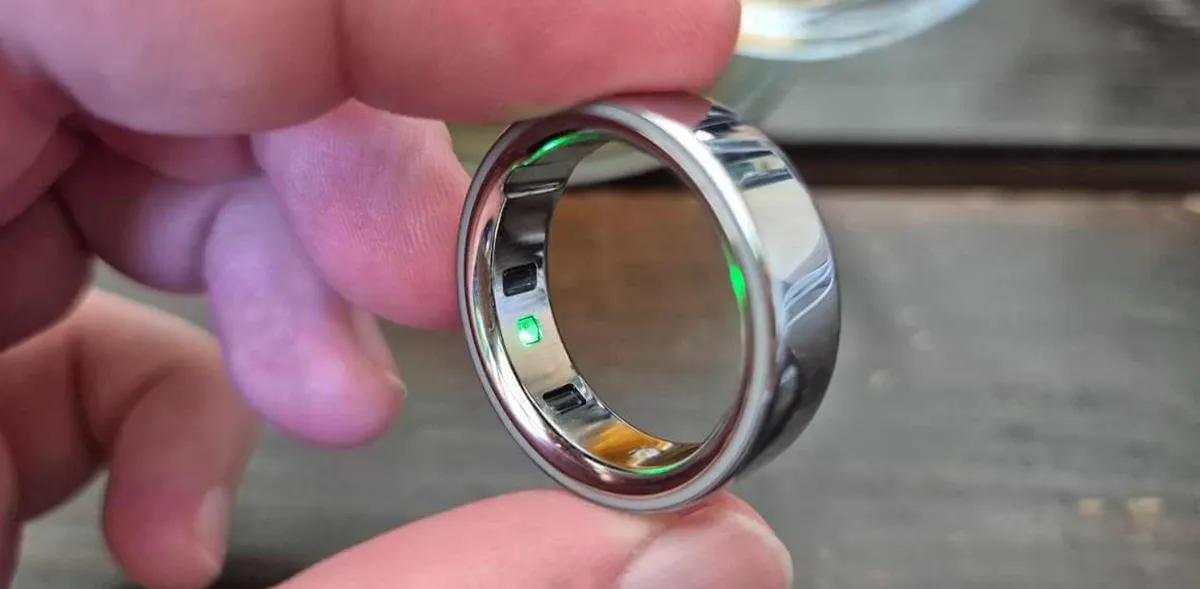
A loose ring produces noisy data that throws off several metrics at once. If your score is oddly low and none of the factors match how you feel, check the fit.
Fingers change size with temperature, hydration and weight, so a ring that fit last month may sit loose now. Oura recommends the index finger, sensor cluster on the palm side.
When to Take a Low Score Seriously:
Situation | What it likely means | What to do |
|---|---|---|
Low score, feel fine, obvious cause (alcohol, hard workout) | Normal recovery signal | Train lighter, recovers in a day or two |
Low score, elevated temp and low HRV for 2+ days | Possible early illness | Rest and monitor symptoms |
Low score, feel fine, no obvious cause | Possible sensor or fit issue | Check ring fit and data quality |
Consistently low for 2+ weeks | Accumulated training or life stress | Review training, sleep and stress, and see a doctor if it persists with no clear cause |
Conclusion:
A low Oura Readiness Score is not a verdict, it is a signal that one of seven inputs moved away from your normal. Tap the score, find the flagged factor, and match it to the reason above, and the cause is almost always obvious: a late drink, a hard session, a warm room, or a body starting to fight something off.
Treat it as a trend over weeks rather than a daily grade, and if it stays low with no explanation and you feel unwell, check with a professional rather than the app.
(FAQs):
Q1: Can stress lower my Oura Readiness Score?
A: Yes, directly. Stress suppresses HRV, raises resting heart rate and disrupts sleep, all of which Oura measures. Many people see lower scores during stressful periods even when training and sleep length have not changed.
Q2: How long does Readiness take to recover after a bad night?
A: A sleep-driven dip recovers in one or two good nights, and a hard-training HRV dip in 24 to 48 hours. An illness drop stays low until you recover, and accumulated stress needs its cause addressed first.
Q3: Why does my score not match how I feel?
A: The score measures physiological recovery, not mood. You can feel fine on a low day because the stress that lowered your HRV also raises alertness, and sluggish on a high day for reasons the ring cannot see. Use it as a weekly trend.
This article is for informational purposes only and is not medical advice. The Oura Readiness Score is a wellness tool, not a diagnostic device. Consult a healthcare professional for any health concern.