
iPhone 17 Pro Max vs Galaxy S26 Ultra vs Pixel 10 Pro: Which to Buy in 2026
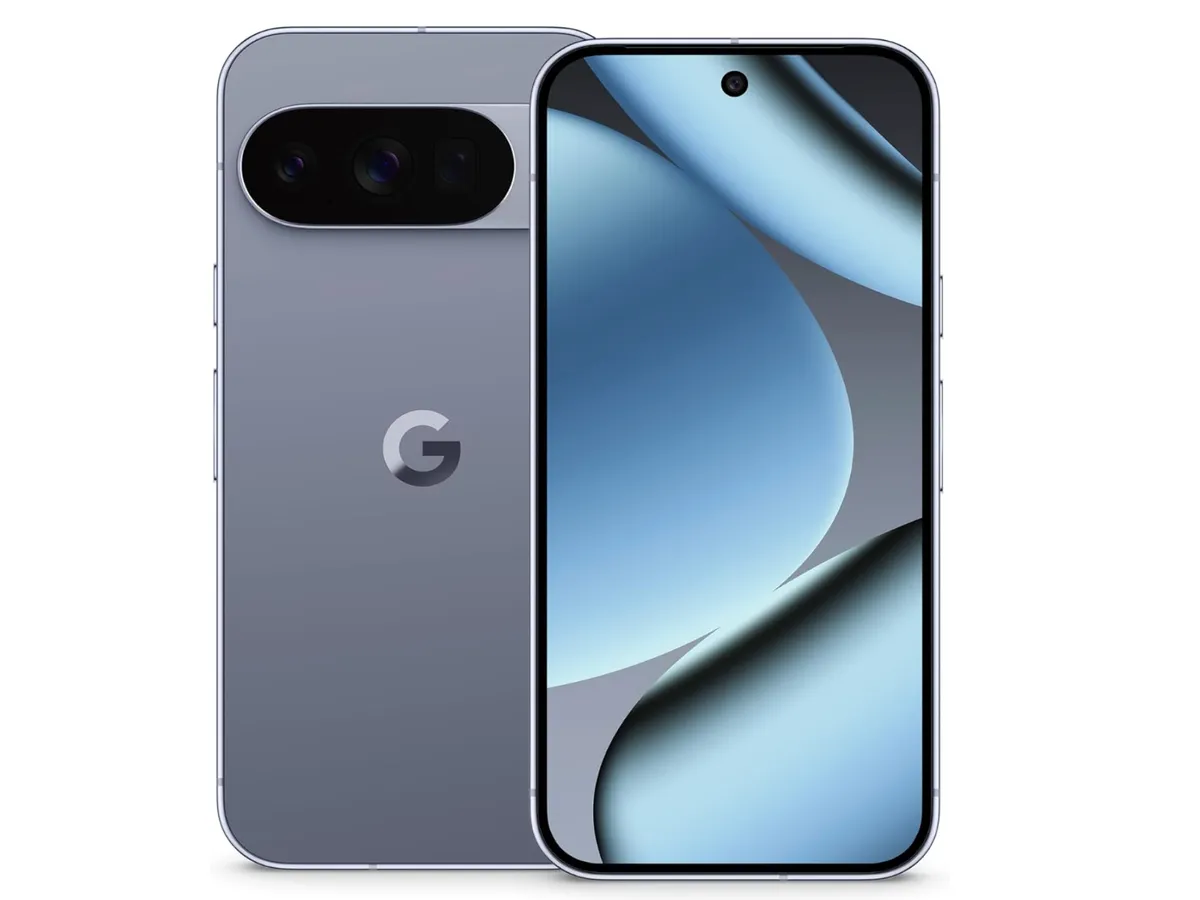
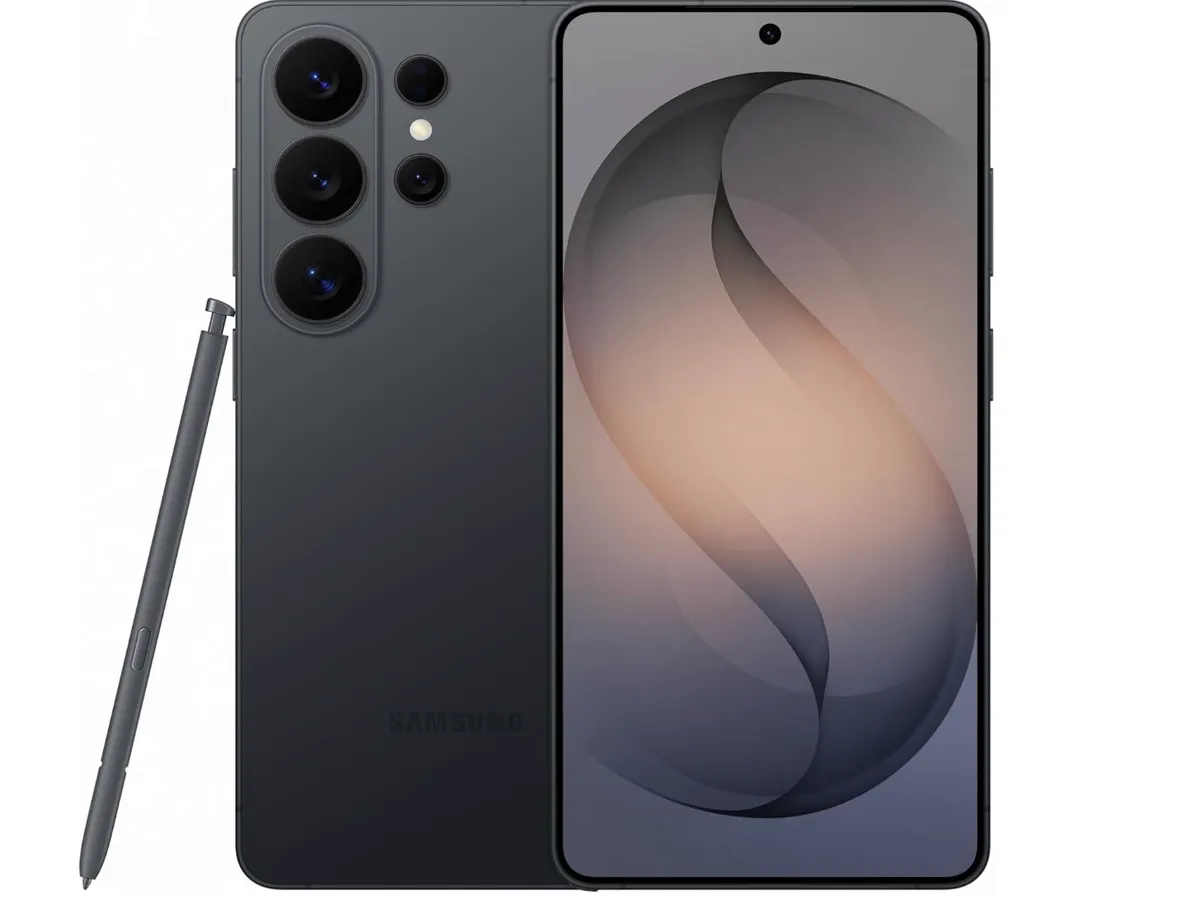
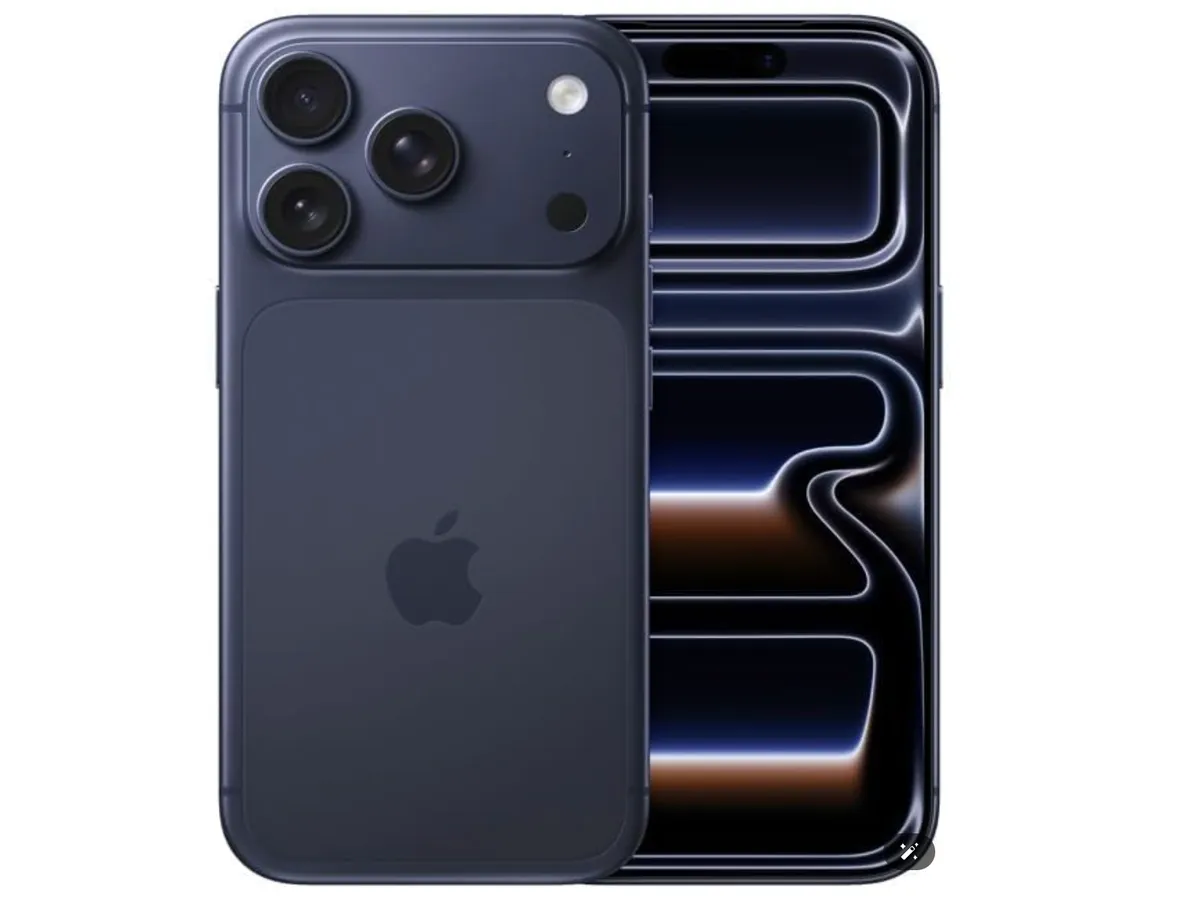
Three flagship smartphones define the top of the 2026 market: Apple's iPhone 17 Pro Max at $1,199, Samsung's Galaxy S26 Ultra at $1,299, and Google's Pixel 10 Pro at $999. They run different operating systems, use different chip architectures, and are built for subtly different kinds of users. The $300 spread between the cheapest and most expensive means price alone is not the deciding factor it would be with a wider gap.
This comparison uses confirmed specifications and is aimed at helping you decide which phone is actually right for your situation - not which one wins a spec-sheet comparison, which is a different question with a less useful answer.
The Phones in Brief
iPhone 17 Pro Max
Apple's 2026 flagship runs the A19 Pro chip, built on TSMC's 3nm process with a 6-core CPU, 6-core GPU, and 12GB of LPDDR5X RAM. The 6.9-inch display is the largest Apple has shipped. The chassis uses an aerospace aluminum unibody construction rather than the titanium of the previous generation, a change Apple made to improve antenna performance and reduce weight. The vapor chamber cooling system delivers what Apple claims is 40 percent better sustained performance compared to the iPhone 16 Pro Max. Wired charging tops out at 40W.
Galaxy S26 Ultra
Samsung's flagship runs Qualcomm's Snapdragon 8 Elite Gen 5 and carries five cameras: a 200MP f/1.4 main, a 50MP 5x telephoto, a 10MP 3x telephoto, a 50MP ultrawide, and a 12MP selfie. The 6.9-inch Dynamic AMOLED 2X display peaks at 2,600 nits. Privacy Display narrows the viewing angle on demand. Horizon Lock stabilizes video. The S Pen stylus is built in. Charging is 60W wired and 15W wireless. Seven years of OS and security updates are promised. Price is $1,299 and the phone launched March 11, 2026.
Pixel 10 Pro
Google's flagship runs the in-house Tensor G5 chip, also built on TSMC's 3nm process. The Tensor G5 brings a 60 percent increase in TPU performance and 34 percent faster CPU compared to the Tensor G4. The phone carries 16GB of RAM, a 6.3-inch display, a 4870mAh battery, and a triple camera system with a new ISP capable of 10-bit video capture. AI features include Magic Cue (proactive task suggestions), Camera Coach (real-time photography guidance), and Gemini screen automation. Price is $999.
Performance Comparison
All three phones use 3nm chip fabrication and deliver more than enough performance for anything a normal user does with a smartphone. The meaningful performance differences are in specific workloads.
The Snapdragon 8 Elite Gen 5 in the S26 Ultra leads on raw CPU and GPU benchmarks. For gaming, video editing, and sustained compute workloads, Samsung's chip is the fastest option available in an Android phone. The vapor chamber cooling added to the iPhone 17 Pro Max improves Apple's sustained performance story significantly - 40 percent over the previous generation is a meaningful jump - but the A19 Pro is competing against an architecture that also improved year over year.
The Tensor G5 in the Pixel 10 Pro is a different kind of chip. Google optimized it for on-device AI processing rather than for peak CPU/GPU performance. The 60 percent TPU improvement translates directly into faster, more capable AI feature execution. Real-time call screening, live translation, and Gemini-based automation run faster and more accurately on the Tensor G5 than on competing hardware. In a benchmark for generative AI on-device tasks, the Pixel 10 Pro would likely outperform both competitors. In a benchmark for gaming frame rates, it would place third.
For most users the performance differences are academic. The practical question is whether you want the best gaming and general compute performance (S26 Ultra), the best sustained heavy workload performance with Apple's software optimization (iPhone 17 Pro Max), or the best AI-specific processing (Pixel 10 Pro).
Camera Comparison

Camera quality is often the deciding factor in a flagship phone purchase, and the three phones take genuinely different approaches.
Zoom and Versatility
The Galaxy S26 Ultra's five-camera array is the most versatile zoom system in this comparison. Two optical telephoto lenses - a 5x and a 3x - cover the most useful zoom ranges without relying on digital interpolation between large optical jumps. If you photograph subjects at varying distances and want optical quality across that range, the S26 Ultra is the strongest choice.
The iPhone 17 Pro Max carries Apple's typical telephoto arrangement. Apple does not publish the full camera specifications in advance of wider testing, but the computational photography pipeline is mature and the results at the focal lengths Apple supports are reliable and consistent.
The Pixel 10 Pro's triple camera covers wide, main, and telephoto. The new ISP in the Tensor G5 chip enables 10-bit video capture, which matters for color grading workflow if you shoot video seriously. Google's computational photography - its processing of shadows, dynamic range, and detail recovery - remains the strongest in the industry by most expert assessments.
Video
For video shooting, the S26 Ultra's Horizon Lock feature is a practical differentiator. It keeps the horizon level during handheld motion, which produces smoother footage than optical stabilization alone. The feature crops the field slightly but the trade-off is worth it for walking or action shots.
The Pixel 10 Pro's 10-bit video output expands the color information captured in each frame, giving editors more latitude to color grade in post. This matters to serious video creators and is largely invisible to people who shoot and share without editing.
Stills and Computational Photography
This is where the three phones diverge most clearly in philosophy. Samsung produces images with warm, high-contrast, punchy processing that looks good immediately on a phone screen and in social media. Google produces images with more neutral, accurate color rendering and exceptional shadow detail. Apple sits between the two - warmer than Pixel, more natural than Samsung, with its own strong consistency across its supported focal lengths.
The best camera is the one that produces images closest to what you want without editing. If you share directly from your phone and want vibrant results immediately, Samsung's processing is well-suited to that. If you prefer accuracy or do any post-processing, Pixel or iPhone will suit you better.
Battery and Charging
Phone | Battery | Wired Charging | Wireless Charging |
|---|---|---|---|
iPhone 17 Pro Max | Not confirmed | 40W | MagSafe |
Galaxy S26 Ultra | 5000mAh | 60W | 15W |
Pixel 10 Pro | 4870mAh | Not confirmed | Qi2 |
None of the three phones leads on wired charging speed. Samsung's 60W is the confirmed fastest in this comparison, but the industry standard for fast charging on Chinese flagships has moved to 90W and beyond. 60W will charge the S26 Ultra's 5000mAh battery in roughly 75 minutes from empty. That is adequate but not impressive for a $1,299 phone.
Battery life from the S26 Ultra in real use is strong - most users will end the day with charge to spare. The Pixel 10 Pro's 4870mAh battery is competitive for its 6.3-inch display size. iPhone 17 Pro Max battery life details are not yet confirmed from extended use testing.
Software and AI Features
This is the axis where the phones are most differentiated and where personal preference matters most.
iOS 19 and Apple Intelligence
The iPhone 17 Pro Max runs iOS 19 with Apple Intelligence. Apple's AI integration focuses on privacy-preserving on-device processing, Siri improvements, and system-level writing tools. Apple's software is polished, consistent, and deeply integrated with Mac and iPad if you use those devices. The ecosystem lock-in is real and valuable if you are already in it - and a real barrier if you are not.
One UI 8.5 and Galaxy AI
The S26 Ultra runs One UI 8.5 on Android 16. Samsung's AI features are practical and well-implemented. Generative Edit for photo manipulation, Circle to Search for instant visual search, and Note Assist for S Pen note-takers are all genuinely useful rather than demo features. The seven-year update commitment is the best in the Android space and matches Apple's support window.
Android 16 and Gemini on Pixel
The Pixel 10 Pro runs a clean version of Android 16 with deep Gemini integration. Magic Cue offers proactive suggestions based on what you are doing - suggesting a call summary after a long phone call, for instance, or flagging a calendar conflict before you agree to a meeting time. Camera Coach gives real-time guidance on framing and lighting while you are composing a shot. Gemini screen automation can perform multi-step tasks across apps. These features are the most ambitious AI integration in this comparison and represent Google's clearest statement of what they think smartphones should be doing.
Ecosystem and Platform Considerations
Platform choice is often predetermined by existing device ownership. If you use a Mac, iPad, or Apple Watch, an iPhone integrates with those devices in ways Android cannot replicate. If you use a Chromebook or Google Workspace heavily, a Pixel ties into that infrastructure. If you use a Galaxy Tab or Windows PC, Samsung's ecosystem (DeX, Link to Windows) adds value.
For users without existing ecosystem commitments, the platform choice comes down to software preferences, camera priorities, and update expectations. All three phones will receive OS updates for at least five years. Samsung has committed to seven.
Side-by-Side Spec Comparison
Specification | iPhone 17 Pro Max | Galaxy S26 Ultra | Pixel 10 Pro |
|---|---|---|---|
Chip | A19 Pro (3nm) | Snapdragon 8 Elite Gen 5 | Tensor G5 (3nm) |
RAM | 12GB LPDDR5X | Not specified | 16GB |
Display | 6.9" | 6.9" AMOLED 2X, 2600 nits | 6.3" |
Main Camera | Not fully confirmed | 200MP f/1.4 | Triple camera + new ISP |
Battery | Not confirmed | 5000mAh | 4870mAh |
Wired Charging | 40W | 60W | Not confirmed |
OS | iOS 19 | One UI 8.5 / Android 16 | Android 16 |
Price | $1,199 | $1,299 | $999 |
Who Should Buy Which Phone
Buy the iPhone 17 Pro Max if:
You are already in the Apple ecosystem (Mac, iPad, Apple Watch)
You prioritize software polish and long-term OS update consistency
You want iOS exclusives like iMessage, FaceTime quality, and Apple-only app features
Sustained heavy performance is important and you want Apple's hardware-software optimization
Buy the Galaxy S26 Ultra if:
You take photos across a wide range of distances and want the most versatile zoom system
You use a stylus for notes and want the best stylus integration on any smartphone
Display quality is a top priority
Privacy Display matters for your work or travel
You want the highest-performing Android chip for gaming and general workloads
Buy the Pixel 10 Pro if:
AI features matter most and you want the most ambitious implementation
You are a serious photographer who prioritizes natural color accuracy and shadow detail
You shoot video and want 10-bit color for editing
You want a smaller form factor - the 6.3-inch Pixel 10 Pro is noticeably more pocketable
$300 savings matters - the Pixel 10 Pro at $999 covers most premium use cases
The Bottom Line
There is no universally best phone among these three. The iPhone 17 Pro Max is the right choice for Apple ecosystem users and those who prioritize software consistency. The Galaxy S26 Ultra is the right choice for camera power users, stylus users, and anyone who wants the best Android display and performance. The Pixel 10 Pro is the right choice for AI feature enthusiasts, natural photography fans, and anyone who wants a pocketable premium phone at $300 less than the competition.
All three phones are excellent. The differences between them are real but not enormous. Pick the platform you prefer, identify the one or two features that matter most to your actual use patterns, and spend the money you are comfortable spending. You will not make a bad choice from this list.