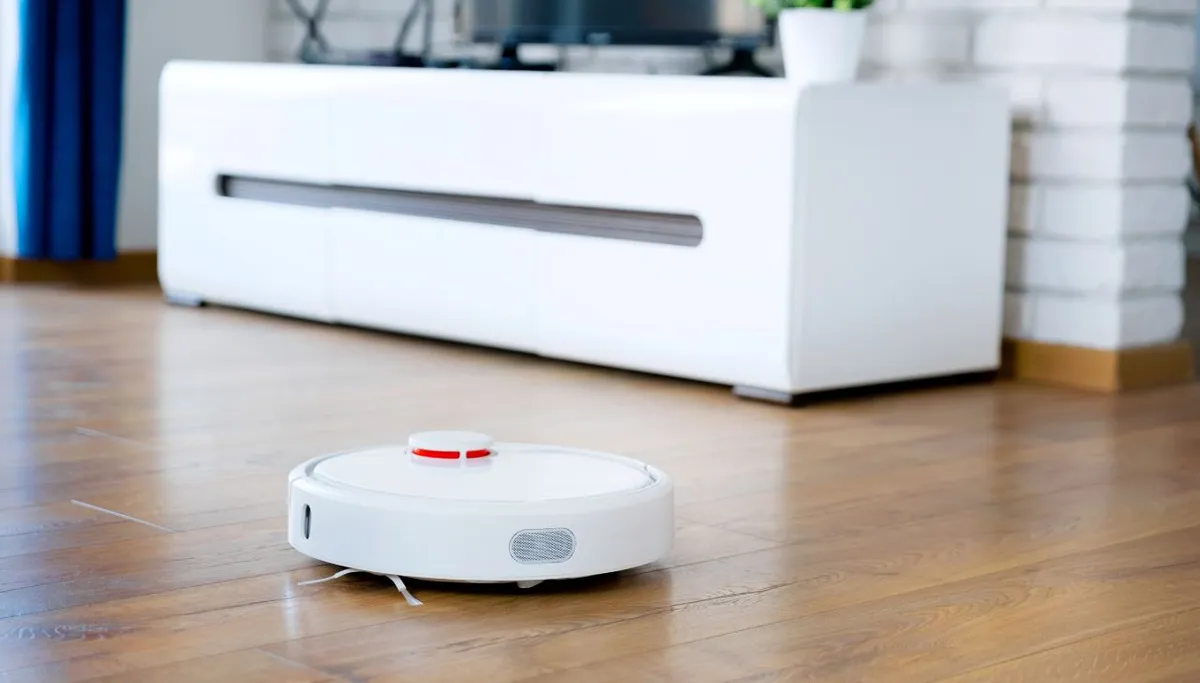
A robot vacuum wins on ease. It cleans on its own, on a schedule, with no work from you. A traditional vacuum wins on power. It cleans deeper, and it can go anywhere.
Most people who own both use the robot every day and the traditional vacuum once in a while for a deep clean. Here is how they compare, so you can pick the right one for your home.
Which One Cleans Better?
A good traditional vacuum still has more raw power. A corded model can push more air than any battery-powered robot. A heavier motor, pushed by hand, digs deeper into thick carpet.
Robot vacuums have gotten much better, though. New top models hit 20,000Pa or more of suction. Their AI sensors can spot a dirty patch and boost power on their own.
On hard floors and thin carpet, a good robot vacuum cleans almost as well as a traditional one. On thick carpet, or after a big spill, a traditional vacuum still wins.
Which One Is Easier to Use?
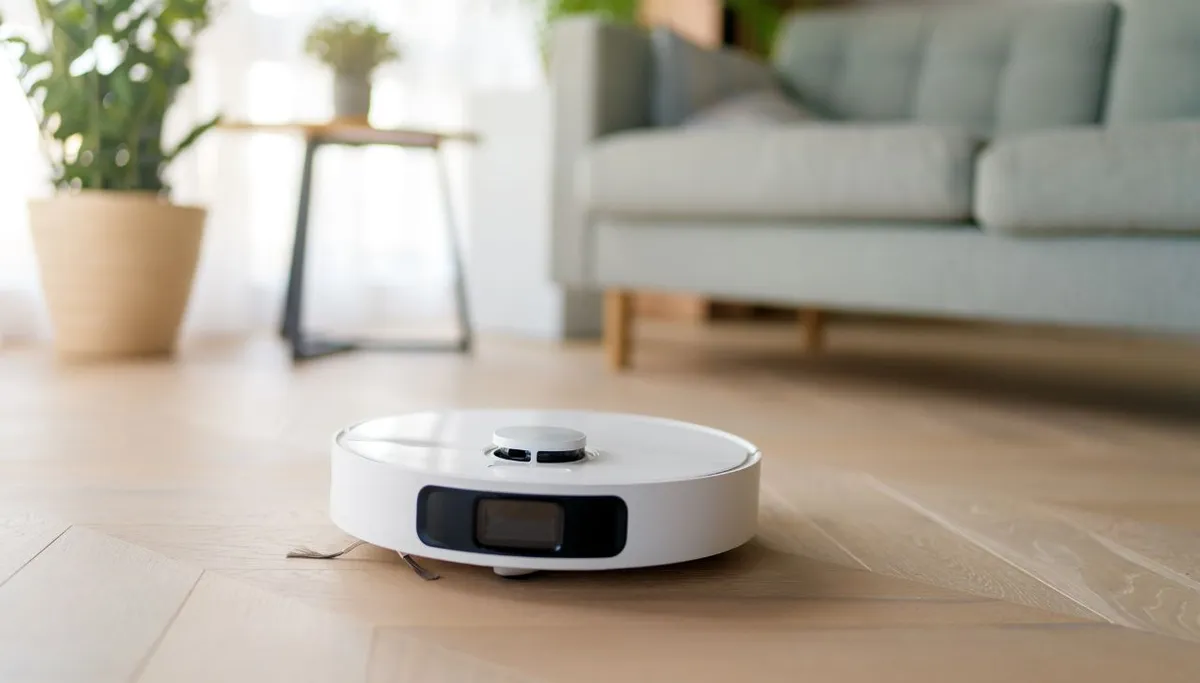
This is the whole reason robot vacuums exist. Set a schedule once. The robot cleans every day on its own. It uses AI to map your home and dodge things like cables and pet waste.
A traditional vacuum needs you to push it around by hand. Most people only do this once a week.
Daily light cleaning stops dust from building up. That is different from one deep clean a week. If you have pets or kids, a robot's daily habit often beats a person's weekly one.
Which One Costs More?
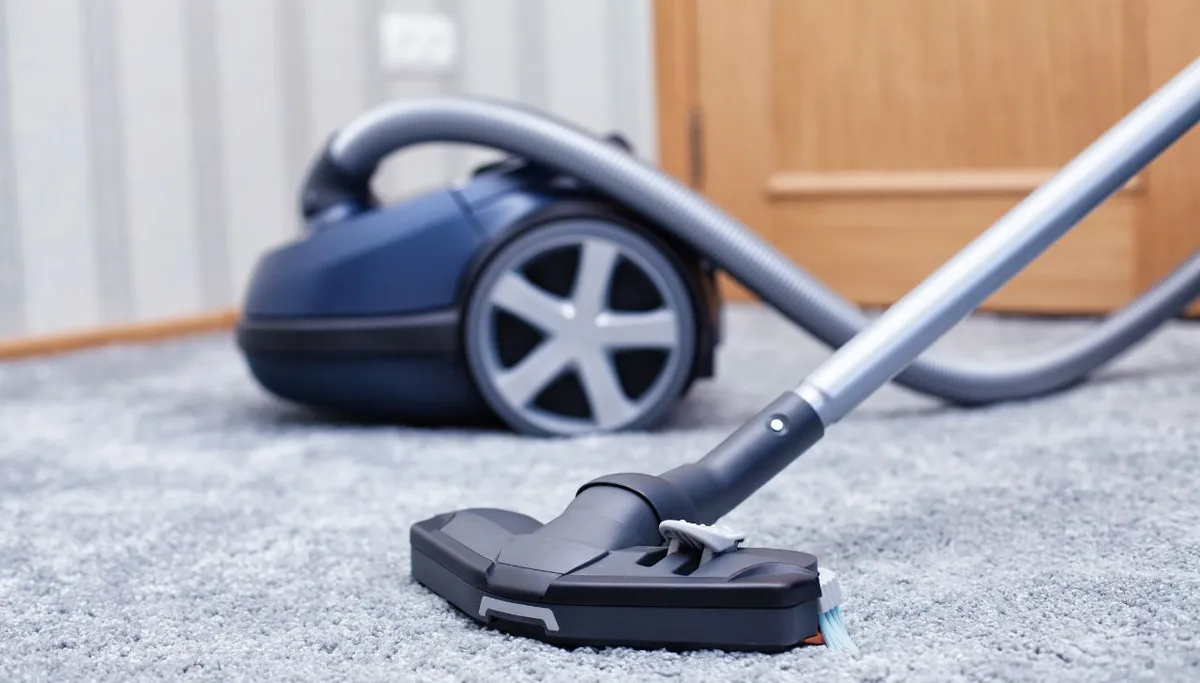
A good traditional vacuum costs $150 to $400. It can last many years with basic care.
A capable AI robot vacuum costs $300 to $1,000 or more. The priciest models empty and wash themselves, and have the best AI to avoid obstacles.
Robot vacuums also need ongoing parts: filters, brushes, mop pads, and eventually a new battery. Traditional vacuums need bags or filters too, but those parts are cheaper and last longer. Over five years, both types end up costing about the same once you add up the parts.
Which One Handles Tricky Spaces?
Robot vacuums struggle with stairs, high door edges, and messy floors. They cannot climb steps. A floor full of cords or toys can trip up even a good robot.
A traditional vacuum goes anywhere you carry it. Up the stairs. Into a car. Onto a couch, with the right attachment.
For anything past a flat, open floor, a traditional vacuum is simply more capable.
So Which One Should You Buy?
Pick a robot vacuum if your home is mostly one open floor, you want daily cleaning with no effort, and you can spend $500 or more. This is a great fit if you have pets or allergies, since daily pickup really helps.
Pick a traditional vacuum if you have lots of stairs, tight or messy spaces, thick carpet that needs a deep clean, or a smaller budget.
The honest answer for most homes is both. Let the robot handle the daily floors. Keep a light stick vacuum for stairs, deep cleans, and anywhere the robot cannot reach.
Conclusion:
Neither vacuum is simply "better." They solve different problems. A robot vacuum trades some raw power for daily ease. A traditional vacuum trade's that ease for stronger suction and the freedom to go anywhere.
Pick based on your home and your habits, not the biggest spec on the box. That is how you end up with a vacuum you will actually use.
(FAQs):
Q1: Do robot vacuums clean as well as traditional vacuums?
A: On hard floors and thin carpet, a top robot vacuum cleans almost as well. On thick carpet or a big mess, a traditional vacuum still picks up more in one pass.
Q2: Are robot vacuums worth the extra money?
A: For most homes with pets or allergies, yes. Daily cleaning stops mess from building up in a way a weekly clean cannot. On a tight budget, a traditional vacuum gives you more power for your money.
Q3: Can a robot vacuum fully replace a traditional one?
A: If your home is one open floor, often yes. If you have stairs, thick carpet, or a lot of clutter, most people still keep a light traditional vacuum for the spots a robot cannot reach.
Q4: Which one lasts longer?
A: A robot vacuum usually lasts 4 to 6 years before the battery and motor wear out. A well-kept traditional vacuum can last 8 to 10 years or more, since it has fewer parts that can break.