
Every major tech company has built a closed-loop AI gadget ecosystem. Amazon has Alexa+. Google has Gemini. Apple has Apple Intelligence. Samsung has Galaxy AI. The devices within each ecosystem are designed to work together and deliberately create friction when you try to mix and match. Choosing a brand is not just choosing a speaker or a phone - it is choosing which AI model will answer your questions, which app will see your health data, and which smart home standard will run your lights and locks.
This guide covers the full April 2026 lineup for each major brand: every current device, what it costs, where the ecosystem excels, where it falls short, and what it would cost to go all-in.
Amazon Alexa Ecosystem
The Device Lineup
Device | Price | Primary Use |
|---|---|---|
Echo Dot Max | $100 | Upgraded compact smart speaker, bedroom/kitchen |
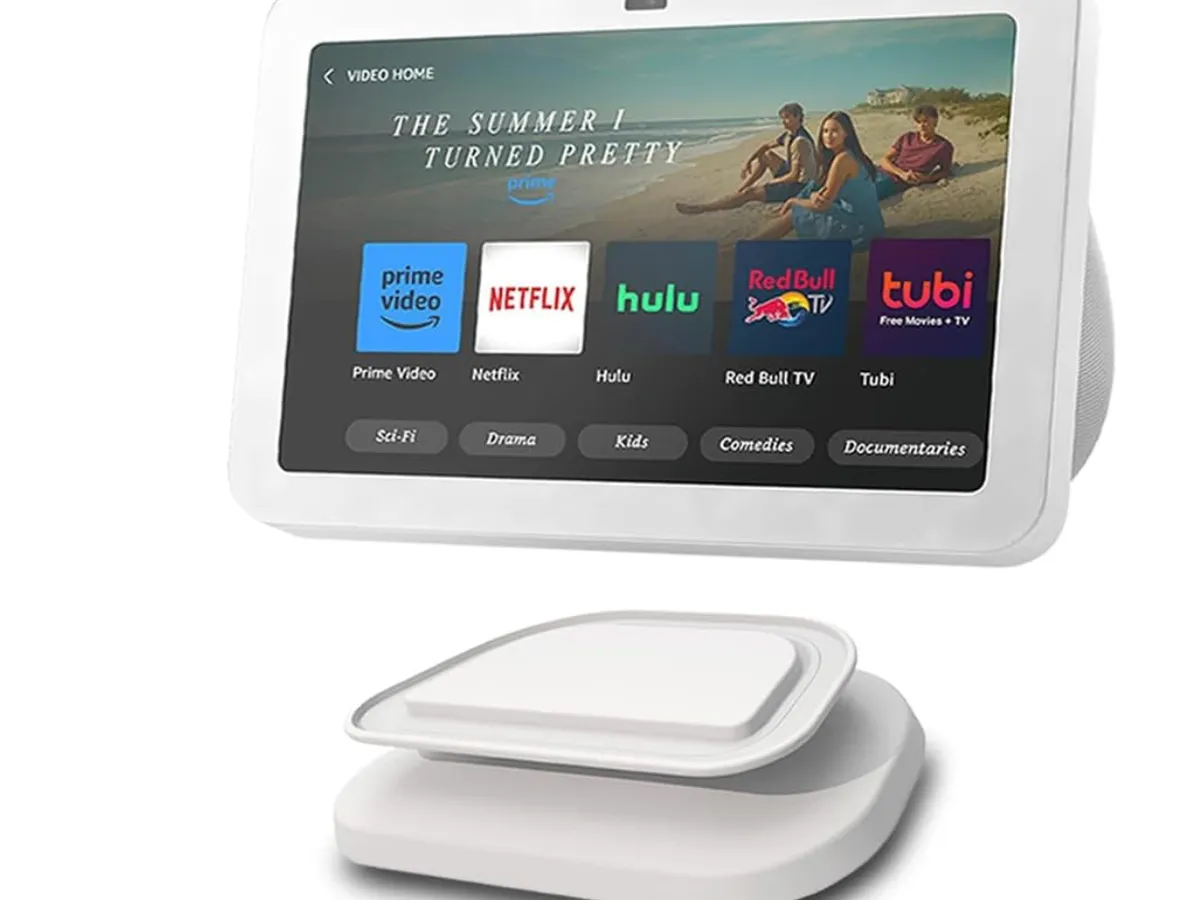
Echo Show 8 (4th gen) | $180 | 8-inch smart display, kitchen hub |
Echo Show 11 | $220 | 11-inch display, family hub |
Echo Show 15 (2nd gen) | $279.99 | 15.6-inch wall display, largest family hub |
Echo Studio | $199.99 | Premium speaker, Dolby Atmos |
Ring Video Doorbell (wired) | $99.99 | Front door camera + AI alerts |
Ring Floodlight Cam Wired Pro | $249.99 | Outdoor security camera + lights |
Eero 6+ mesh router | $139.99 | Wi-Fi 6 mesh networking with Alexa integration |
Fire TV Stick 4K Max | $59.99 | Streaming + Alexa on TV |
Amazon Smart Plug (Matter) | $24.99 | Voice-controlled outlet, works across ecosystems |
The AI Engine: Alexa+
Alexa+ launched in early 2025 as the rebuilt Alexa platform powered by a large language model foundation, replacing the original rule-based architecture. Alexa+ is priced at $20/month but is included at no additional cost for Amazon Prime members - which means the majority of Echo households in the US pay nothing extra for the upgrade. The rebuilt platform handles multi-turn conversations with context retention, compound requests without predefined routines ("add milk to my list and set a timer for 20 minutes"), and natural language home automation commands ("make the downstairs comfortable for movie night"). Alexa+ also introduces an Action API allowing third-party services to connect to Alexa workflows.
The 2026 hardware refresh - Echo Dot Max, Echo Show 8 4th Gen, and Echo Show 11 - is specifically optimized for Alexa+ with upgraded processors for on-device wake word detection and faster response latency on Alexa+ queries. The Echo Show 8 4th Gen ($180) features a higher-resolution display and improved camera for video calls, making it the best mid-range smart display for Alexa households.
Strengths
Amazon's ecosystem retains the widest third-party smart home device compatibility of any platform - over 100,000 Alexa-compatible devices across 13,000+ brands. The refreshed Echo Show lineup is the most functionally complete family-hub smart display range available in 2026. Ring camera integration with Alexa is seamless: motion events from Ring Floodlight Cam appear on Echo Show screens instantly, and Eero networking integrates with Alexa for parental controls via voice. Prime integration adds Amazon Music Unlimited, Prime Video, and shopping list functionality. For Prime members, the Alexa+ AI upgrade costs zero additional dollars - the best value proposition in AI smart home hardware.
Weaknesses
Amazon has no phone, smartwatch, or premium earbuds. The ecosystem does not extend to your pocket unless you use Alexa on your iPhone or Android phone as a secondary app. Alexa+ conversational quality, while significantly improved, still trails Google Gemini for complex reasoning and knowledge retrieval. Ring Protect Plus ($10/month) is required to access recorded video from Ring cameras - without it, Ring delivers notifications only. Privacy concerns around Amazon's data practices are among the most documented in consumer AI, and Amazon's history of sharing Ring data with law enforcement has been widely reported.
Total Cost to Go All-In
Core Alexa home setup (Echo Dot Max, Echo Show 8 4th Gen, Ring Video Doorbell, Eero router, 4 smart plugs): approximately $570 at full price. Add Ring Protect Plus at $120/year and Alexa+ at $240/year if you are not a Prime member. Prime households pay $139/year total for both Prime and Alexa+, making the all-in cost significantly lower than the sticker price suggests.
Google Ecosystem (Gemini + Nest)
The Device Lineup
Device | Price | Primary Use |
|---|---|---|
Google Home Speaker | $100 | Gemini-native compact smart speaker (Spring 2026) |
Nest Hub (2nd gen) | $99.99 | 7-inch smart display, sleep tracking |
Nest Hub Max | $229.99 | 10-inch display, camera, video calls |
Nest Doorbell (3rd gen) (wired) | $179.99 | Video doorbell with AI person/package detection |
Nest Cam (indoor/outdoor) | $179.99 | Security cameras with Familiar Face AI |
Nest Learning Thermostat (4th gen) | $279.99 | AI-learning heating and cooling |
Google Pixel 10 / 10 Pro | $899 / $1,099 | Flagship Android with Tensor G5, full Gemini integration |
Pixel Watch 4 | $349.99 | Wear OS smartwatch with Fitbit (new hardware confirmed for 2026, redesigned app with AI Coach) health tracking |
Pixel Buds Pro 2 | $229.00 | ANC earbuds with Gemini + real-time translation |
Pixel Tablet | $499.00 | Android tablet with smart home dock |
Chromecast with Google TV (4K) | $49.99 | 4K streaming, Google TV interface |
The AI Engine: Gemini and Tensor G5
Google's Gemini AI running on the Tensor G5 chip (TSMC 3nm, 60% more TPU capacity than Tensor G5) is the most sophisticated assistant engine in any consumer ecosystem. Pixel 10 phones run Gemini Nano on-device for privacy-sensitive tasks - transcription, translation, photo processing - and route complex queries to Gemini Pro or Ultra in the cloud. Gemini can cross-reference your Gmail, Calendar, and Drive to answer questions like "when did I last email Alex about the contract?" with personal context that Alexa and even Siri cannot match without explicit account access.
The Google Home Speaker ($100, Spring 2026) is the first Google smart speaker to run full Gemini natively rather than the older Google Assistant-on-speakers architecture. This means Google Home Speaker delivers Gemini's conversational quality and real-time knowledge directly through a $100 speaker - closing the gap with Echo Dot Max at the same price point. Pixel Buds Pro 2 deliver Gemini responses in your ear during conversations, and the Pixel 10 Pro's camera triggers Google Lens identification without launching any app.
Strengths
The strongest AI assistant of any ecosystem for complex queries, research, and multi-step tasks. Pixel 10 phones deliver the best computational photography of any Android device - Night Sight, Magic Eraser in video, Best Take across burst shots - all powered by Tensor G5's expanded TPU. Nest Cam's Familiar Face recognition and Package Detection are more accurate than Ring in independent tests. The Google Home Speaker launch in Spring 2026 gives the platform a competitive entry-level hardware answer to Echo Dot Max for the first time.
Weaknesses
Google's hardware discontinuation history remains a concern - Google Stadia, Nest Secure, original Pixel Slate, and several other products were killed with limited notice, leaving buyers stranded. The Nest Hub 2nd Gen has received no hardware update despite being several years old. Google's smart home app has improved significantly since 2023 but remains less mature than Amazon Alexa for managing large device libraries. Pixel phones are sold primarily online or at limited retail locations, while iPhone and Samsung Galaxy are available at every carrier store.
Total Cost to Go All-In
Core Google home setup (Google Home Speaker, Nest Hub 2nd Gen, Nest Doorbell (3rd gen), Nest Cam, Nest Learning Thermostat): approximately $840 at full price. Add Pixel 10 ($899), Pixel Watch 4 ($350), and Pixel Buds Pro 2 ($229) for the full ecosystem: approximately $2,320. Google One AI Premium ($19.99/month) is recommended for Gemini Advanced features on non-Pixel devices; Pixel 10 users get Gemini Pro access included.
Apple Ecosystem (Apple Intelligence)
The Device Lineup
Device | Price | Primary Use |
|---|---|---|
HomePod Mini | $99.00 | Compact smart speaker, HomeKit hub |
HomePod (2nd gen) | $299.00 | Premium smart speaker, Spatial Audio |
Apple TV 4K (3rd gen) | $129.00 | 4K streaming + HomeKit hub |
AirPods 4 | $129.00 | Everyday earbuds with adaptive audio |
AirPods Pro 3 | $249.00 | ANC, FDA hearing aid, Apple Intelligence integration |
AirPods Max (2nd gen) | $549.00 | Premium over-ear ANC headphones |
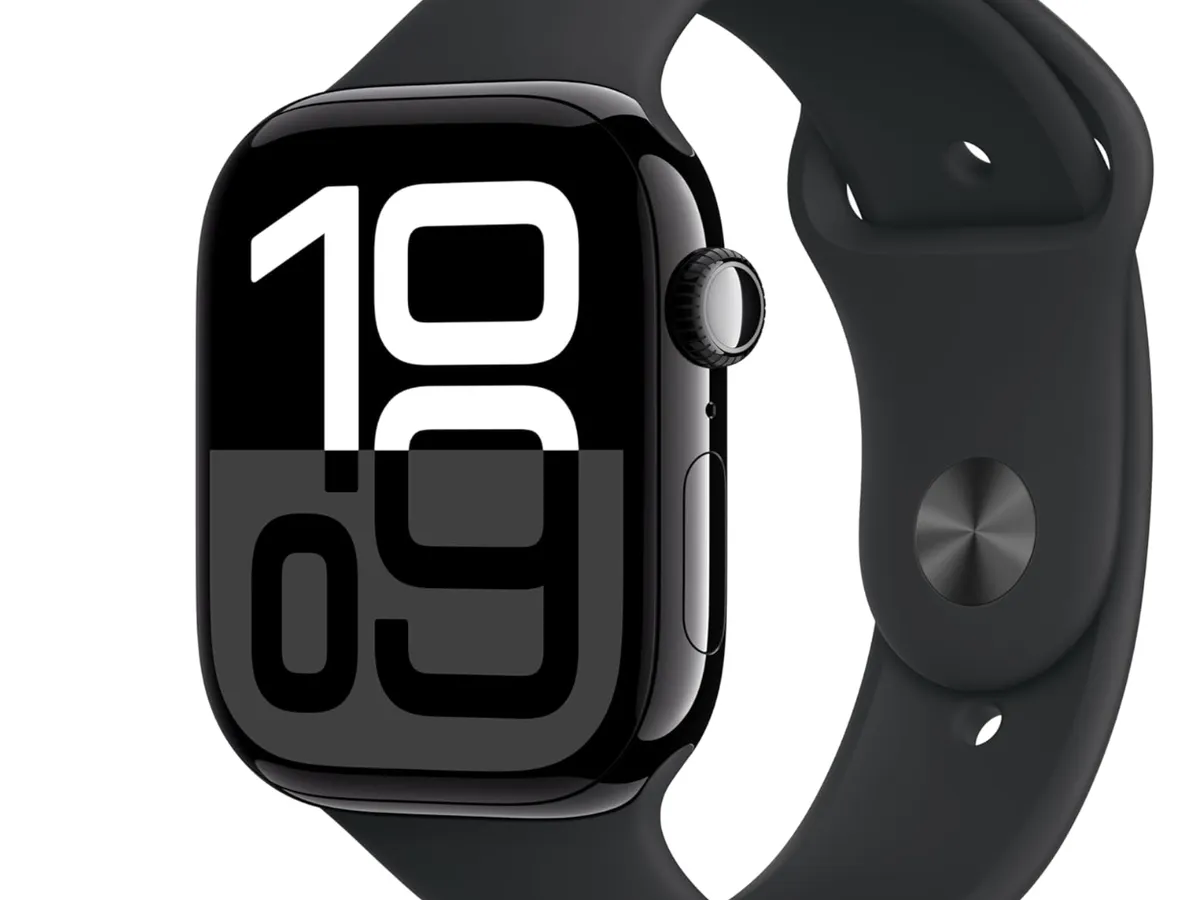
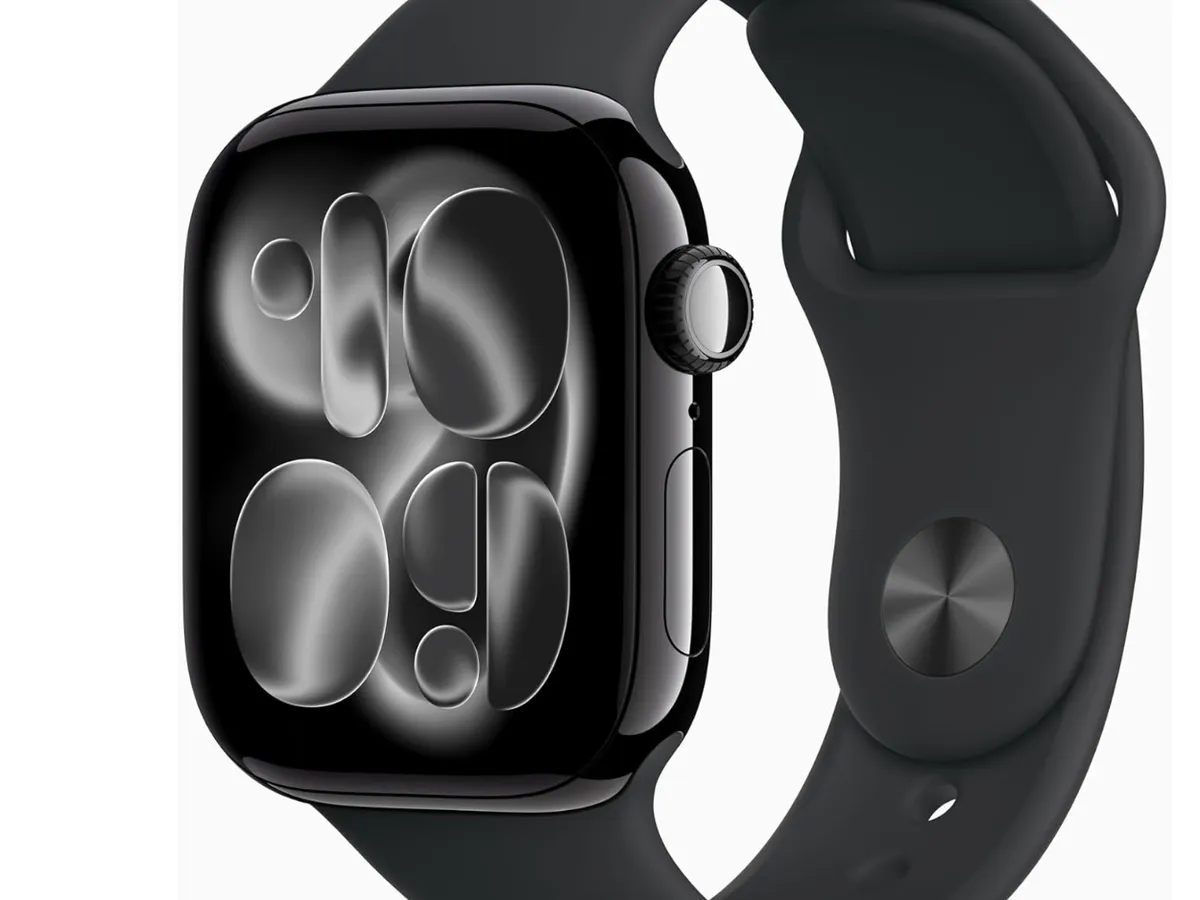
Apple Watch Series 11 | $399.00 | Health + fitness smartwatch, ECG, sleep apnea detection |
Apple Watch Ultra 2 | $799.00 | Extreme sports smartwatch |
iPhone 17e | $599.00 | Entry iPhone with full Apple Intelligence (A16 chip) |
iPhone 17 / 17 Plus | $799 / $899 | Standard iPhone with A19 chip, Apple Intelligence |
iPhone 17 Air | $899.00 | Ultra-thin flagship with A19 chip |
iPhone 17 Pro / Pro Max | $999 / $1,199 | Pro iPhone with A19 Pro chip (TSMC 3nm) |
iPad Pro M5 | $999.00 | Pro tablet with Apple Intelligence |
The AI Engine: Apple Intelligence with Gemini-Powered Siri
Apple Intelligence, now covering the full iPhone 17 lineup including iPhone 17e, has expanded significantly through iOS 26.x with the headline addition of Gemini-powered Siri. Apple's partnership with Google brings Gemini's reasoning and real-time knowledge into Siri as an optional backend, addressing the longstanding gap between Siri's conversational capability and Gemini or ChatGPT. Most Apple Intelligence processing - Writing Tools, notification summaries, Clean Up in Photos, personal context queries across Mail and Calendar - remains fully on-device via the A19/A19 Pro Neural Engine. Gemini and ChatGPT are available for queries that exceed local capability, always with explicit user consent and without attaching identifying information.
Strengths
The most coherent ecosystem in consumer tech. iPhone 17, Apple Watch Series 11, AirPods Pro 3, HomePod, Apple TV, and Mac all share a common credential system, Handoff between devices, and Universal Clipboard. Apple Intelligence works across all of them with consistent privacy guarantees. AirPods Pro 3 extend the FDA-cleared hearing aid capability that launched with AirPods Pro 3, refined through an additional generation of H-chip processing. Apple Watch Series 11 adds continuous sleep apnea detection to the already comprehensive health suite. Long-term software support is unmatched - iPhone 17 (2024) will receive updates through at least 2030 based on Apple's historical support cadence.
Weaknesses
Price. Apple's ecosystem is the most expensive to enter. HomePod ($299) costs three times Echo Dot Max ($100). Going all-in on Apple hardware means spending $2,500+ before adding a phone. Apple has no camera product in the doorbell or security camera space - you need to rely on third-party HomeKit cameras (Logitech Circle View, Arlo) at additional cost. The new Google Home Speaker undercuts HomePod Mini on value for non-Apple-centric users. Apple's Gemini-powered Siri is still rolling out and full feature parity with native Gemini on Android is not complete as of April 2026.
Total Cost to Go All-In
Core Apple home setup (HomePod Mini x2, Apple TV 4K, AirPods Pro 3): approximately $706. Full ecosystem (add iPhone 17 Pro, Apple Watch Series 11, iPad): approximately $2,105. Apple One subscription ($19.95-$37.95/month) bundles Apple Music, TV+, Arcade, iCloud, and Fitness+.
Samsung Galaxy AI Ecosystem
The Device Lineup
Device | Price | Primary Use |
|---|---|---|
Galaxy S26 / S26+ / S26 Ultra | $799 / $999 / $1,299 | Flagship Android, Snapdragon 8 Elite Gen 5, One UI 8.5 |
Galaxy Z Fold 7 | $1,799 | Foldable phone/tablet hybrid with Galaxy AI |
Galaxy Z Flip 7 | $999 | Compact foldable smartphone |
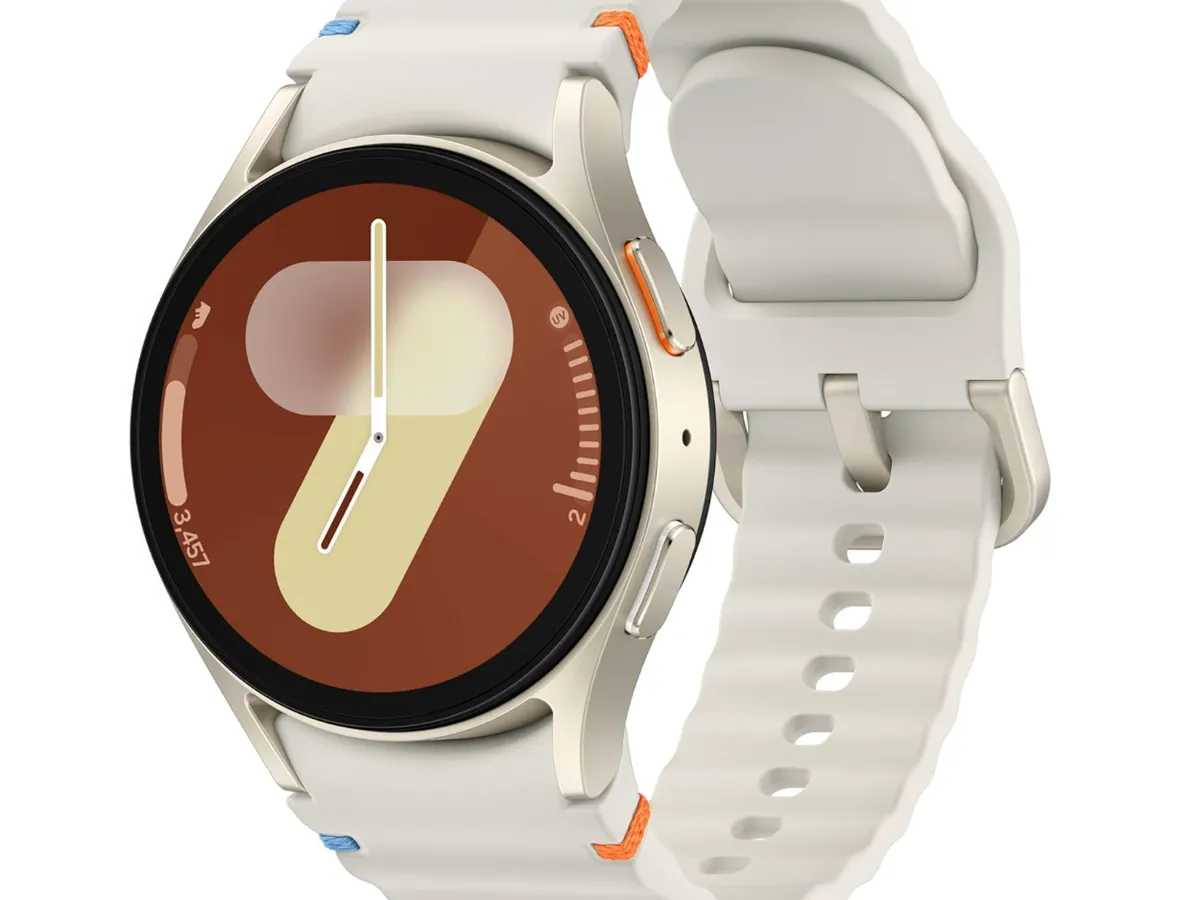
Galaxy Watch 8 | $299.99 | Smartwatch with Galaxy AI health coaching |
Galaxy Watch 8 Ultra | $649.99 | Rugged sports smartwatch |
Galaxy Ring | $399.99 | Smart ring, no subscription required |
Galaxy Buds 4 Pro | $249.99 | ANC earbuds with Galaxy AI Live Translate |
Samsung Neo QLED 4K TV (65") | $1,299.99 | AI-upscaling smart TV with SmartThings hub |
Family Hub refrigerator | $2,999+ | AI food management smart fridge with SmartThings |
SmartThings Station | $69.99 | Smart home hub: Matter, Zigbee, Z-Wave, wireless charging |
The AI Engine: Galaxy AI on Snapdragon 8 Elite Gen 5
Galaxy S26 runs One UI 8.5 on Android 16, powered by Qualcomm's Snapdragon 8 Elite Gen 5. The Galaxy AI suite - Circle to Search (powered by Google Lens), Live Translate (on-device, 20+ languages), Chat Assist, Note Assist, Transcript Assist, and Generative Edit in Gallery - runs on the Snapdragon's Hexagon NPU for on-device tasks and through Samsung's Google cloud partnership for heavier requests. Gemini is the default assistant on Galaxy S26 for conversational AI; Bixby handles device-control commands. Galaxy Buds 4 Pro pair with Galaxy S26 for Live Translate during phone calls - translations play through the earbuds without the call content touching any server.
Live Translate's on-device processing is a genuine differentiator: Samsung is the only ecosystem where real-time call translation happens entirely without cloud dependency, making it suitable for sensitive business conversations where cloud routing is unacceptable.
Strengths
Samsung is the only company with a full ecosystem spanning phone, watch, ring, earbuds, tablet, TV, and home appliances - all natively integrated through Samsung Health and SmartThings. Galaxy Ring plus Galaxy Watch 8 integration produces the most sophisticated ring-and-watch health data fusion available, with Samsung Health's AI generating unified Energy Score, recovery insights, and activity recommendations from both devices simultaneously. Galaxy Buds 4 Pro plus Galaxy S26 deliver on-device Live Translate during calls - capability unavailable anywhere else at this price. SmartThings' Matter, Zigbee, and Z-Wave support makes it the most protocol-complete smart home hub among the four major ecosystems.
Weaknesses
Samsung's software transition history has been complex: Bixby still exists alongside Gemini for different functions, which confuses users about which assistant to invoke and for what. Galaxy S26 ships with 7 years of OS and security update promises - matching Apple - but Samsung's historical follow-through on extended support has been inconsistent. Samsung health data stays within Samsung Health and does not export cleanly to Apple Health or Google Fit, creating lock-in that is difficult to escape. The Family Hub refrigerator at $2,999+ remains a significant financial commitment for a feature set that many users report underutilizing after the first year.
Total Cost to Go All-In
Core Samsung wearable setup (Galaxy S26, Galaxy Watch 8, Galaxy Ring, Galaxy Buds 4 Pro): approximately $1,749. Add a Samsung Neo QLED TV and SmartThings-compatible smart home devices for a complete home setup: $3,000-4,500. Galaxy AI features on Galaxy S26 carry no mandatory subscription; Samsung Health premium analytics are free with a Samsung account.
Ecosystem Comparison: Which Brand Is Right for You?
Factor | Amazon | Apple | Samsung | |
|---|---|---|---|---|
Entry price | Lowest ($100 Echo Dot Max) | Low ($49 Chromecast / $100 Home Speaker) | High ($99 HomePod Mini) | Medium ($299 watch / $799 phone) |
AI assistant quality | Good (Alexa+ improving fast) | Best (Gemini on Tensor G5) | Very good (+ Gemini-powered Siri) | Good (Gemini-backed via Google partnership) |
Smart home compatibility | Widest (100K+ devices) | Very wide + Gemini-native Google Home Speaker | Narrower (HomeKit + Matter) | Widest protocol support (SmartThings) |
Privacy | Lowest | Cloud-centric, improving | Best (on-device + Private Cloud Compute) | Mixed (on-device for Live Translate, cloud for others) |
Health/wearables | None | Pixel Watch 4 + Fitbit | Apple Watch Series 11 (best standalone watch) | Watch 8 + Ring combo (best multi-device) |
Phone required? | No (works standalone) | Better with Pixel 10 | Yes (iPhone is central) | Yes (Galaxy is central) |
Long-term support promise | Uncertain | Mixed history, improving | Best (5-7 years per device) | 7-year promise on Galaxy S26 |
All-in cost estimate | $570-900 | $2,000-2,500 | $2,100-2,500 | $2,000-4,500 |
Mixing Ecosystems: What Works and What Doesn't
The smart home layer has become more cross-compatible thanks to Matter, which all four platforms fully support in 2026. A Matter-certified smart lock, light, or thermostat works with Alexa, Google Home, HomeKit, and SmartThings simultaneously. Your smart home hardware is no longer fully locked to one ecosystem.
What does not cross ecosystems: AI assistant quality, health data, and device-specific features. An iPhone 17 user can use an Echo Show 8 4th Gen for a smart display - but Alexa+ will not know their Apple Health data or Calendar. A Galaxy S26 user can have HomeKit-compatible lights, but Galaxy AI will not control them with the same depth as SmartThings. The assistant and health layers remain siloed even as the device layer opens up.
Sources
Frequently Asked Questions
Can I use Amazon Echo devices with an iPhone?
Yes. The Alexa app works on iPhone and connects Echo Dot Max, Echo Show 8 4th Gen, and all other Echo devices to your Apple account for music (Apple Music is supported). Alexa+ cannot access your Apple Calendar, Messages, or Health data - those remain Siri-exclusive. Echo devices work well as a smart home hub with an iPhone; they just cannot replace Siri for personal assistant tasks tied to your Apple data.
Is Apple's ecosystem worth the premium?
For iPhone users already in the Apple ecosystem, yes - the integration depth, Gemini-powered Siri, and software longevity justify the cost over 4-5 years of use. For Android users considering a switch, the full ecosystem switch cost (iPhone 17 + Apple Watch Series 11 + AirPods Pro 3) is $1,650 minimum. That is a meaningful commitment and worth serious consideration before switching platforms.
Which ecosystem is best for a smart home beginner?
Amazon Alexa, for budget and compatibility reasons. Echo Dot Max ($100) and Alexa+ (free with Prime) give you a capable AI voice assistant and the widest smart home device compatibility available. The Alexa app is the most mature smart home app for non-technical users. You can expand gradually without committing to expensive devices upfront.
Does Samsung's ecosystem require a Samsung phone?
SmartThings and Samsung TVs work with any smartphone via the SmartThings app. However, Galaxy AI features - Circle to Search, Live Translate, Galaxy Ring health integration with Energy Score - require a Samsung Galaxy phone. Galaxy Watch 8 and Galaxy Buds 4 Pro have limited functionality when paired with non-Samsung Android phones and no official iPhone support.
What is the best value ecosystem for someone starting from scratch in 2026?
If you are an Amazon Prime member: start with Echo Dot Max ($100) - Alexa+ is included free with Prime. If you prefer Google: the new Google Home Speaker ($100) runs full Gemini at the same price and is better suited to Workspace users. If you want the best privacy and already use Apple services: HomePod Mini ($99) is the entry point. None of these require a specific phone, and all support Matter for cross-ecosystem smart home hardware.