Start with the app. If your phone already does the job, a separate device usually adds cost and charging without adding much else.
Hardware earns its place when it carries a sensor your phone lacks, or when it has to sit somewhere your phone never will. That one test settles most buying decisions.
AI Gadget vs App Comparison:
What you want to do | Better choice | Why |
|---|---|---|
Transcribe meetings | App | Your phone mic and software already handle it |
Track sleep every night | Gadget | A phone cannot sit on your finger or wrist |
Translate a conversation | App | Newer phones translate on the device |
Watch the front door | Gadget | It must stay outside, powered and aimed |
Control the heating | Gadget | It wires into the system itself |
Edit photos | App | The work happens after the shot |
When Does an App Do the Job?
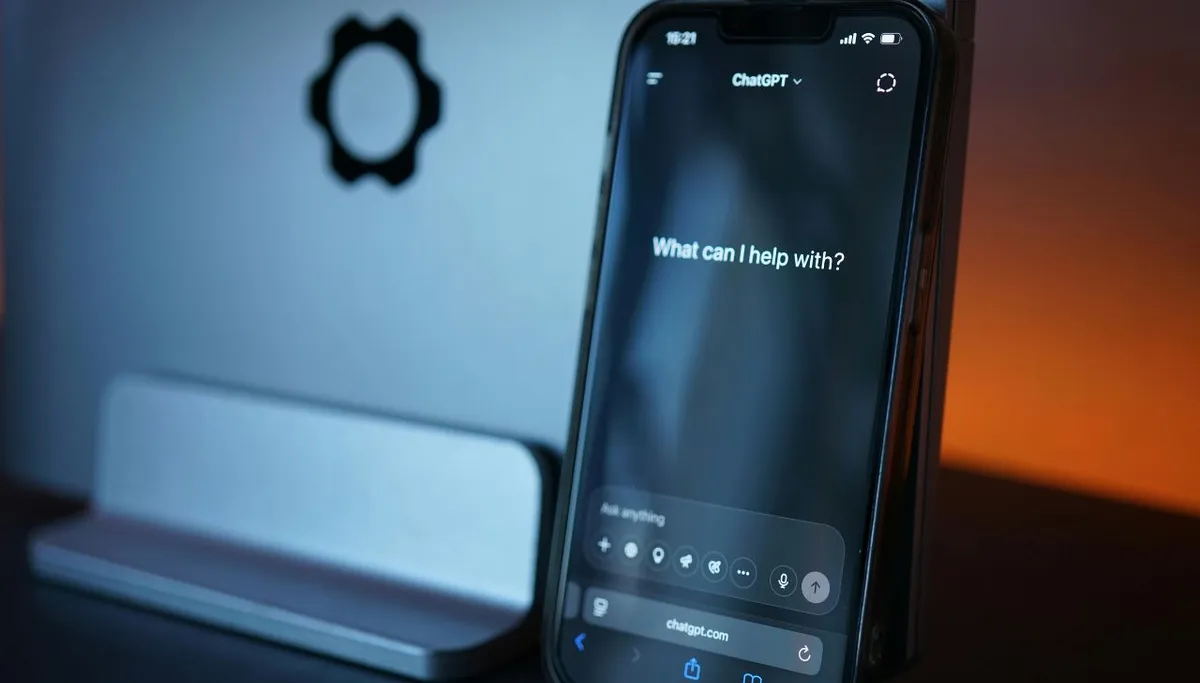
Anything built around a microphone, camera or screen is usually app territory. Your phone carries all three and gets replaced every few years anyway.
Google's Pixel Recorder transcribes speech on the phone itself, at no extra cost. Apple's Live Translation runs on supported iPhones. Both do work that cost real money as separate hardware two years ago.
An app also updates quietly in the background. A gadget keeps whatever chip it shipped with, so it ages faster than the software running on it.
When Is a Gadget Actually Better?
Two situations justify the spend, and they are easy to spot before you pay.
It carries a sensor your phone lacks:
A smart ring reads your pulse and movement all night, because it stays on your finger while your phone sits on a table. No app can copy that.
Hearing help works the same way. The FDA cleared the AirPods Pro 2 hearing feature as over-the-counter hearing aid software for adults with mild to moderate hearing loss, and it needs the earbuds to work.
It has to be in the right place:
A doorbell has to face the street. A thermostat has to wire into your heating. Software cannot stand in for a device that must be physically present.
These also tend to pay for themselves. The EPA says certified smart thermostats save about 8% of heating and cooling costs, roughly $50 a year.
What Does Each One Really Cost?
A gadget usually costs you twice. You pay upfront for the hardware, then often monthly for the AI features that make it useful.
Plaud's recorders are a clear example. The free Starter plan covers 300 minutes a month and the Pro plan 1,200, so heavy users keep paying after the purchase.
Before buying, add the hardware price to two years of subscription. Compare that total against the app alone, not against the sticker price.
What Happens If the Company Shuts Down?
This is the risk nobody prices in. The Humane AI Pin launched at $699 plus $24 a month, and its cloud service stopped working in February 2025 after the company's assets were sold.
Buyers were left holding hardware that could no longer do its main job. An app that shuts down costs you nothing beyond the subscription you cancel.
So favor gadgets that keep core features working offline and treat any device that is useless without a server as a rental, not a purchase.
Conclusion:
In the AI gadget vs app decision, the app wins by default. Pay for hardware only when it brings a sensor your phone lacks or has to live in a fixed spot, and always add two years of fees before you compare.
FAQs:
A few questions that come up once people start comparing the two.
Q1: Should I try the app version first?
A: Yes, and it is the cheapest test there is. Use the app for two weeks, and if you keep hitting a limit your phone cannot fix, that limit is your reason to buy hardware.
Q2: Do AI gadgets work without a phone?
A: Most do not. Setup, app control and updates usually run through a phone, so check for standalone operation before buying for someone without one.
Q3: Will phones make these gadgets pointless?
A: Only the ones built on a mic, camera or screen. Devices with their own body-worn or fixed-place sensors stay useful, because a phone still cannot be in two places.
Q4: Are cheap no-name AI gadgets worth the risk?
A: Rarely. They carry the same shutdown risk as big brands with far less chance of support, so stick to makers likely to be around in three years.