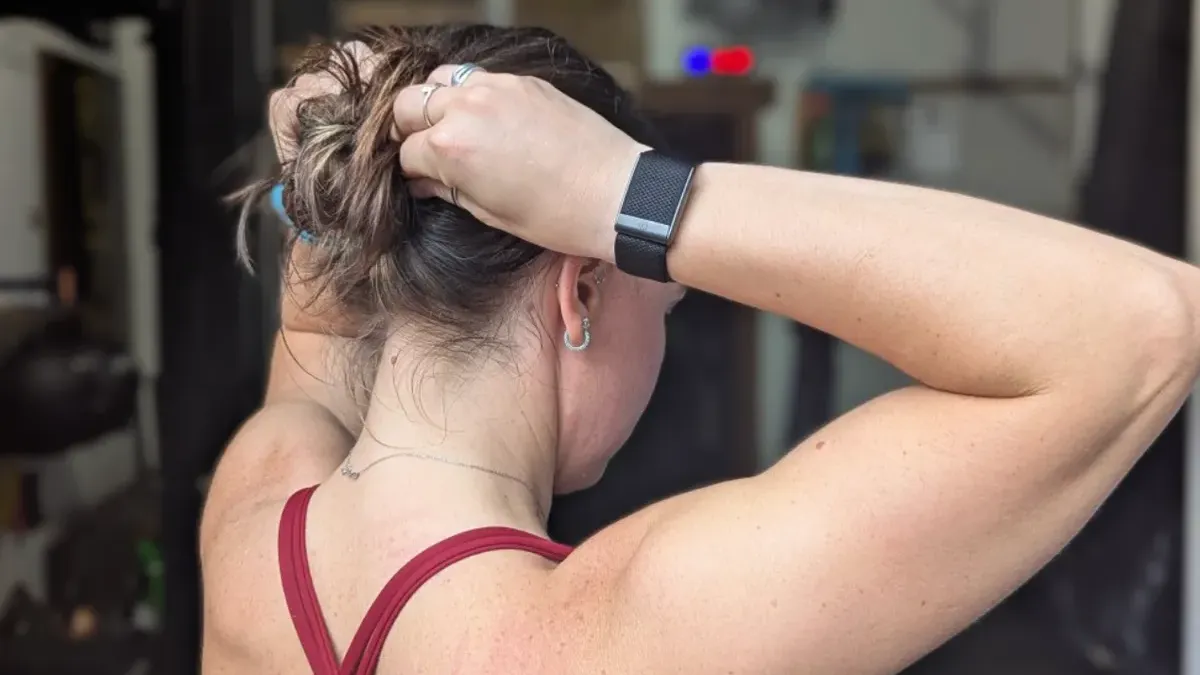
WHOOP 5.0 is a different kind of wearable from an Oura Ring or a smartwatch. No display, no step counter, no notifications. It exists to monitor your physiology 24/7, train an AI model on your data, and answer one question each morning: are you recovered enough to push hard today? That answer, a Recovery percentage, is the whole product, and whether it is worth the cost depends on whether you will act on it.
How Does WHOOP's Recovery Score Work?
The Recovery score runs 0 to 100, and knowing what produces it tells you whether it is meaningful. It is a weighted blend of three inputs, each compared against your own baseline, not a population average.
HRV against your baseline: overnight variability versus your rolling 30-day average, so a 45ms reading means something different for someone who averages 40ms versus 70ms. Resting heart rate against your baseline: five or more beats above your average is a strong negative signal. Sleep performance: duration, efficiency and restorative stages, weighed against your personalized Sleep Need.
The weighting is not fixed. The model leans on whichever signal predicts best for you: more on sleep if your HRV swings, more on HRV if it is steady. Over six weeks the score tracked how I actually felt closely enough to trust for training decisions, bar the odd off day where poor contact threw the reading.
What Is WHOOP Coach?
WHOOP Coach is a conversational AI built on a large language model with access to your personal data, one of the clearest useful uses of an LLM in a health gadget. Ask "why was my recovery low yesterday?" and it analyzes your actual numbers, your HRV, sleep stages and training history, and explains what was off, rather than giving generic advice.
Across six weeks of daily use, its strongest value was the "why" explanations, not the "what to do" tips. It flagged that my Thursdays consistently showed lower recovery and tied it to my Wednesday evening training, the kind of pattern that is genuinely hard to spot in raw data.
What Is New in WHOOP 5.0 and the WHOOP MG?
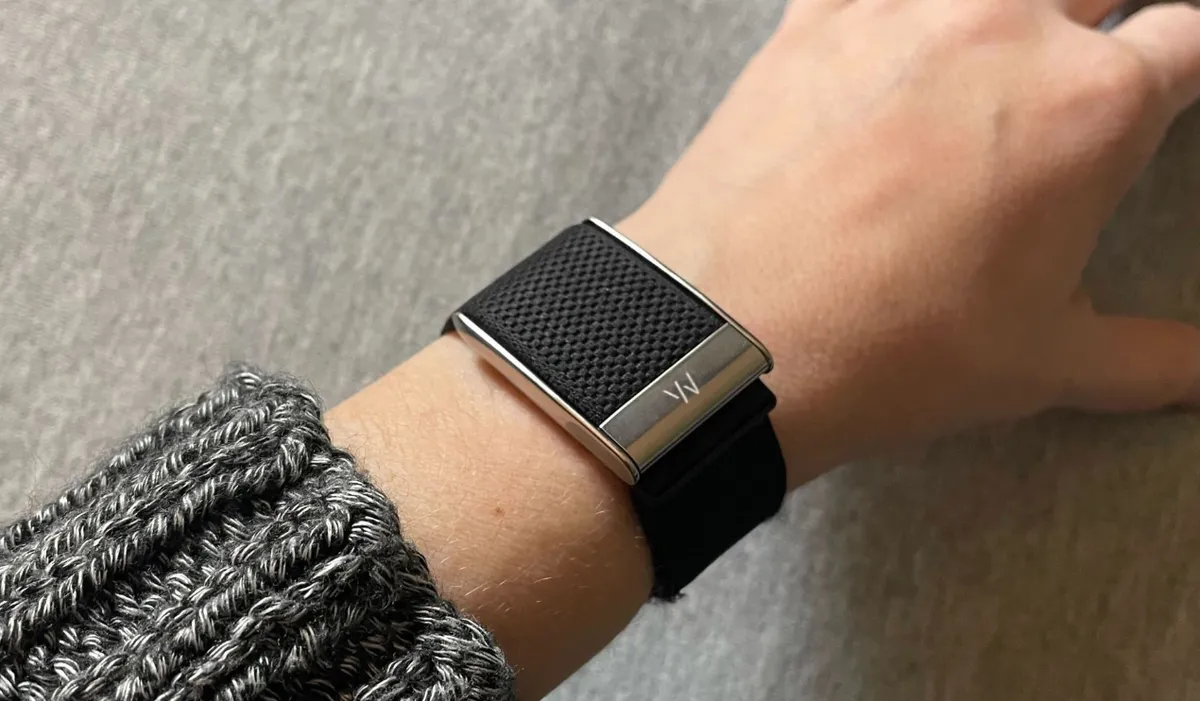
This is where buyers get confused. The WHOOP 5.0 adds a skin temperature sensor for the same early-illness detection Oura offers: nightly temperature against your baseline to flag possible illness before symptoms.
The advanced heart features, a single-lead ECG, AFib detection and blood pressure trend, belong to the WHOOP MG on the top tier, not the standard 5.0. The blood pressure feature shows trend direction only, via pulse transit time, and cannot replace a cuff. So if these medical features are why you are buying, you need the MG tier.
The Charging System Is a Genuine Innovation:
The one piece of hardware WHOOP consistently gets right is charging. A battery pack slides onto the band while you wear it, so it charges without leaving your wrist. That means continuous 24/7 data with no gaps, which matters because overnight HRV and sleep are the core Recovery inputs. Oura and Galaxy Ring both need removal to charge, creating gaps WHOOP avoids.
How Much Does WHOOP 5.0 Cost?
WHOOP restructured its pricing in 2025 into three annual tiers, hardware included:
WHOOP One, $199/year: the 5.0 and core coaching, recovery, strain and sleep.
WHOOP Peak, $239/year: the 5.0 plus advanced health features.
WHOOP Life, $359/year: ships the WHOOP MG with ECG, AFib and blood pressure.
The honesty point: WHOOP is a subscription, not a purchase. Cancel and you lose your dashboard and the band stops working, since there is no offline mode, unlike Oura or Galaxy Ring, which you own outright. WHOOP's 2025 launch also drew criticism when 4.0 owners were initially asked to pay or extend to get the 5.0, a decision the company softened after backlash.
Who Should Buy WHOOP 5.0?
WHOOP 5.0 is best for athletes and serious trainers who want coaching that connects training load to recovery. Strain paired with Recovery creates a readiness feedback loop that Oura and Galaxy Ring do not match, and WHOOP Coach is the better conversational AI.
Oura wins on best-validated sleep staging and far lower cost, with hardware you own at $349 plus $5.99/mo. Use the coaching and WHOOP earns its membership. Want passive monitoring, and Oura gives more for less.
Conclusion:
WHOOP 5.0 is the best AI wearable for people who train seriously and will act on the coaching. WHOOP Coach alone can justify the membership for engaged users, and the on-wrist charging is a real edge. But it is a subscription you never stop paying, its medical-grade heart features sit on a pricier tier, and for passive monitoring a ring you own outright makes more sense. Match the tier to what you will actually use.
(FAQs):
Q1: Does WHOOP work without a subscription?
A: No. The hardware comes with the membership, and every feature needs an active subscription. Cancel and the band stops working and you lose your dashboard, unlike Oura or Galaxy Ring, which you own outright.
Q2: Is WHOOP accurate for HRV compared to Oura?
A: Both read RMSSD from optical sensors, but a ring gets better skin contact, so Oura posts lower error against an ECG reference. WHOOP is still accurate enough for trend monitoring, and for most users the difference is small.
Q3: How is WHOOP Strain different from calories burned?
A: Strain, on a 0 to 21 scale, measures cardiovascular load, not calories. A long walk burns more calories than a short HIIT session but produces far lower Strain. Since cardiovascular stress drives recovery demand, Strain is the more useful number for planning rest.
.Based on six weeks of daily WHOOP 5.0 use, alongside WHOOP's published research and independent wearable accuracy studies, as of 2026. Prices and subscription terms change.