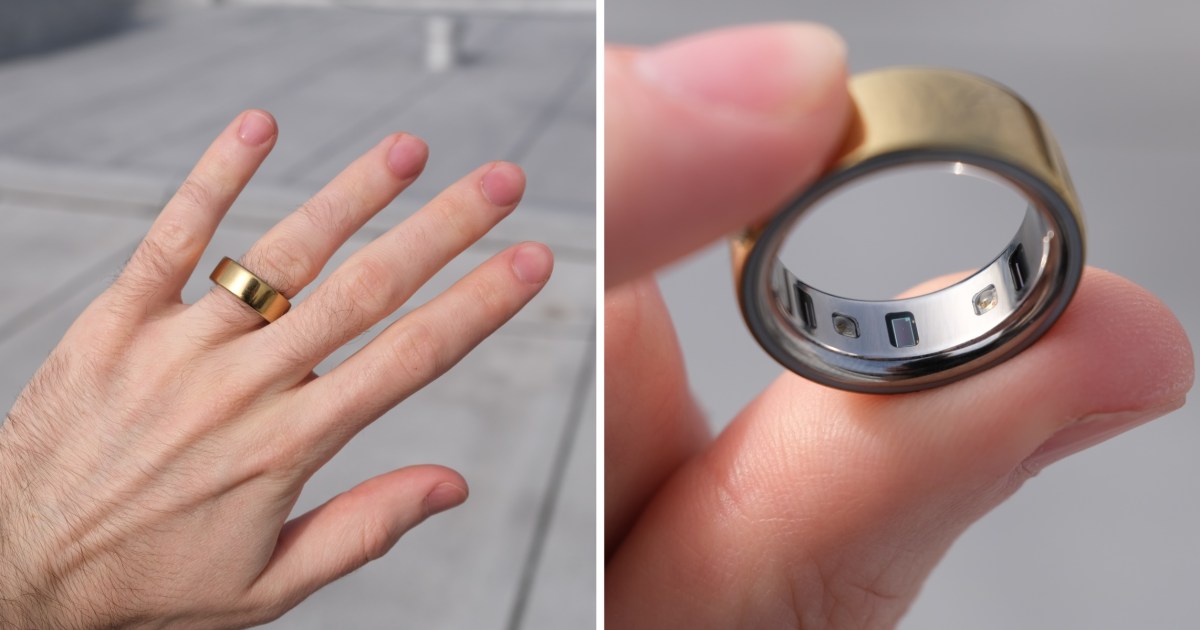
The Samsung Galaxy Ring made one decision that instantly set it apart: no subscription, ever. You pay $399 once and every AI health feature is included for life. After six months wearing it on my right index finger next to an Oura Ring 4 on my left, I can tell you that choice genuinely changes the value math, with one big catch anyone should understand before buying.
Samsung Galaxy Ring at a Glance
Spec | Detail |
|---|---|
Price | $399, no subscription |
Battery | 7 days claimed / 5 to 6 real-world |
Key AI features | Energy Score, sleep staging, AFib detection (FDA cleared), snore detection |
Sensors | PPG, skin temperature, accelerometer |
Phone requirement | Full features on Samsung Galaxy phones only |
Water resistance | 10 ATM (100m) |
Charging | Magnetic charging case |
Sizes | 5 to 15 (free sizing kit) |
How Good Is the Energy Score AI?
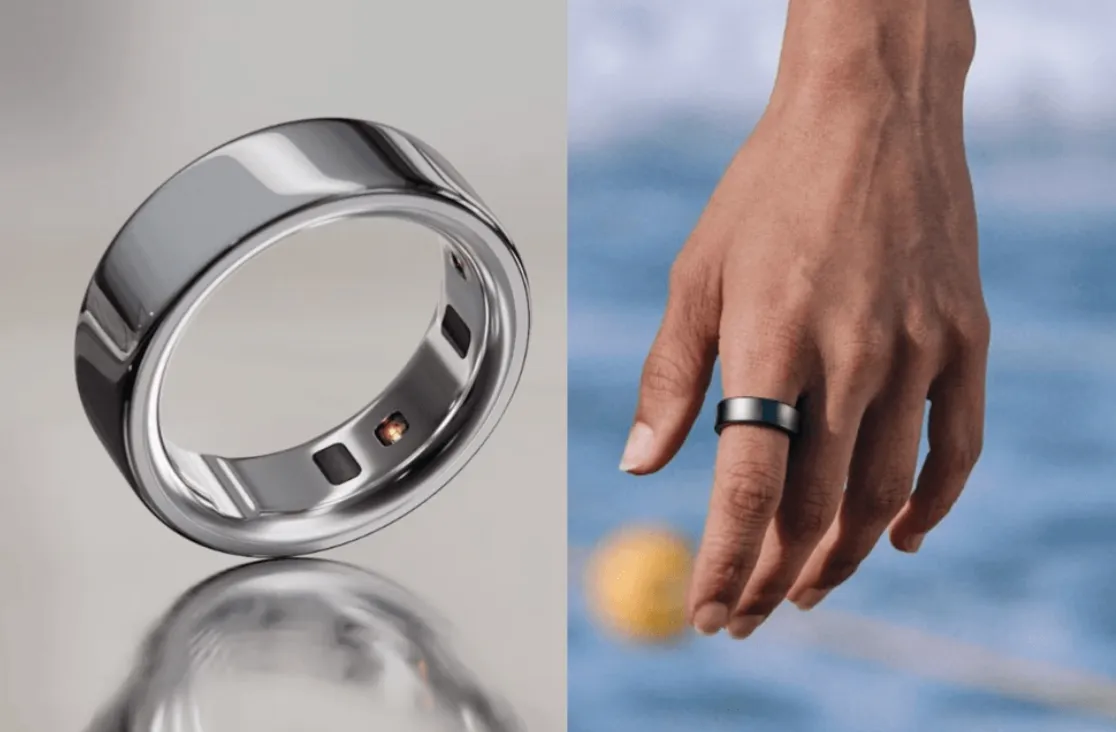
Energy Score is Samsung's daily recovery number, its answer to Oura's Readiness and WHOOP's Recovery, shown each morning from 0 to 100 with a short AI note on what drove it. The processing runs mostly in the Samsung Health app on your Galaxy phone, not the ring, so the AI quality tracks your phone and app version, not just the hardware.
Over six months against the Oura Ring 4, I found Energy Score a reliable directional signal: when it agreed with Oura's Readiness, high or low, my actual performance agreed too. The interesting cases were the 15 to 20 percent of days they disagreed, which usually came down to one ring having cleaner sensor data that night than the other.
How Accurate Is the Sleep and Snore Tracking?
The Galaxy Ring scores the four standard stages with a model trained on Samsung's Galaxy Watch data. Against Oura on the same nights, the two agreed closely on total sleep and direction, but stage breakdowns differed, especially at the light/REM boundary where every wearable is least certain. Treat either as a trend tool, not a precise nightly stage counter.
Where the Galaxy Ring pulls ahead is snore detection, where the accelerometer picks up snoring vibrations and turns them into a nightly report Oura does not offer.
Samsung has also announced FDA-cleared sleep apnea detection, a first for an over-the-counter smart ring, rolling out through 2026. That is a more serious capability than snore reporting and a real differentiator, though check it is live in your region first.
The Catch: You Need a Samsung Phone:
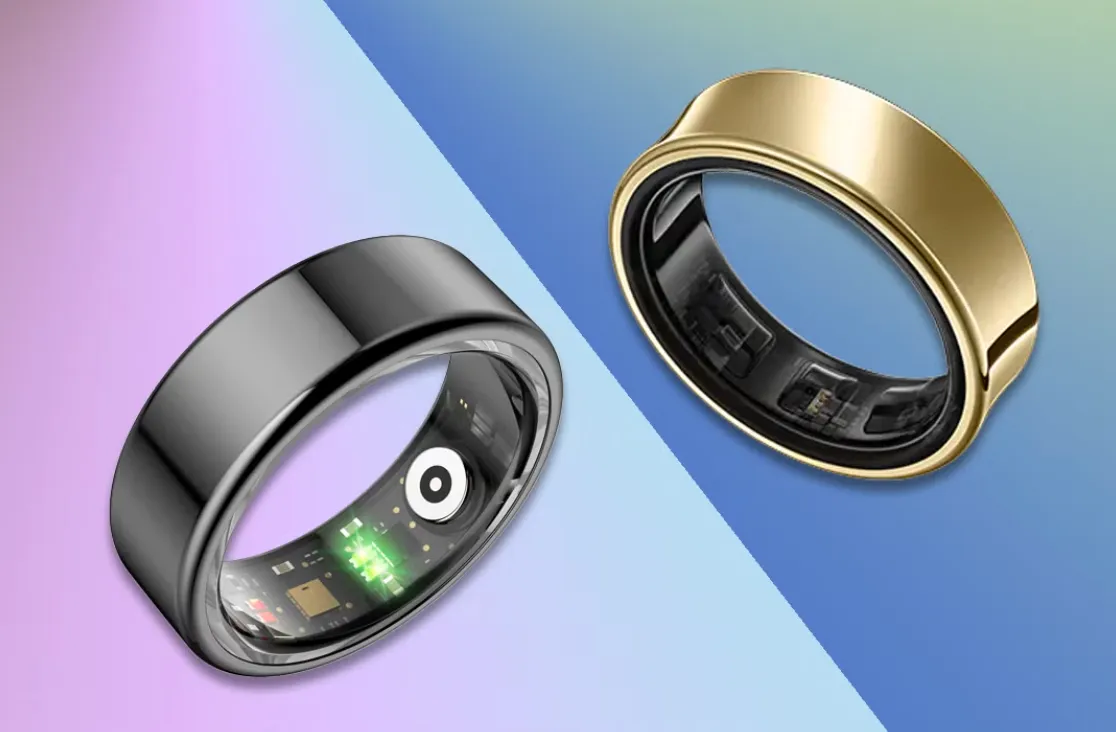
This is the single most important thing to understand, and marketing does not make it clear. On a Samsung Galaxy phone you get everything: Energy Score, full sleep staging, snore detection, irregular rhythm notification, cycle tracking and the Galaxy AI health advice.
On an iPhone or non-Samsung Android phone, you get roughly half. Basic sleep duration, steps and heart rate come through the Samsung Health app, but Energy Score is unavailable, detailed staging is limited, and the irregular rhythm notification may not work depending on region.
If you use a Galaxy phone, the Galaxy Ring is the clear value pick over Oura on a two-year view. If you use anything else, half the features that justify $399 are locked out, and Oura or Ultrahuman make more sense.
How Does the AFib Detection Work?
The Galaxy Ring has FDA clearance for irregular heart rhythm notification, the same as Oura Ring 4. It reads inter-beat intervals from the optical sensor and flags patterns consistent with atrial fibrillation, running passively during sleep. In six months I never got an alert, expected for someone without the condition.
For those most likely to benefit, adults over 50 or with risk factors, passive screening is a real benefit. It is a notification tool, not a diagnosis, so any alert means see a doctor.
Battery Life and a Safety Note:
Samsung claims seven days. My six months averaged 5 to 6 days, the gap coming from heavier sleep-tracking nights. The charging case holds about 1.5 extra charges, so you can travel with just the case for a few cycles.
One thing to flag honestly: Samsung has been investigating reports of battery swelling in some Galaxy Ring units, which prompted safety concerns.
Mine showed no issues over six months, but on a device you wear around the clock, it is worth knowing and worth checking Samsung's latest guidance before buying.
Conclusion:
For Samsung Galaxy phone owners, the Galaxy Ring is the best-value health ring of 2026: no subscription, AI health features comparable to Oura, FDA-cleared AFib, and snore detection Oura lacks.
For everyone else, the Samsung-phone requirement locks out half the value, and Oura Ring 4's ecosystem independence and deeper clinical validation make it the better pick. Match the ring to your phone first, then decide. Rating: 4.3 / 5.
(FAQs):
Q1: Does the Galaxy Ring work with iPhone or Pixel?
A: Partially. The Samsung Health app gives basic data on iOS and non-Samsung Android, but Energy Score, detailed insights, snore reporting and irregular rhythm notification need a Samsung Galaxy phone. On a Pixel or iPhone you get about half the features, so Oura or Ultrahuman are better choices.
Q2: How does snore detection work?
A: The ring's accelerometer detects the micro-vibrations of snoring, and the AI classifies them into a nightly report showing when snoring happened and how it lined up with your sleep stages. It works whether you snore or share a bed with someone who does.
Q3: Can I use it for exercise tracking?
A: Yes, with limits like Oura. It tracks heart rate and estimates calories but has no GPS, so outdoor routes need your phone. For pace, power and laps, a Galaxy Watch or sports watch fits better. The ring's strength is passive 24/7 monitoring, not active workouts.
Q4: What size should I order?
A: Order Samsung's free sizing kit first. The ring cannot be resized and the sensor must sit snugly, and finger size shifts through the day and seasons, so wear the sizing ring for a full day before deciding.
Based on six months of parallel daily use of the Samsung Galaxy Ring and Oura Ring 4 through 2026. Prices and feature availability change, and features like sleep apnea detection roll out by region.