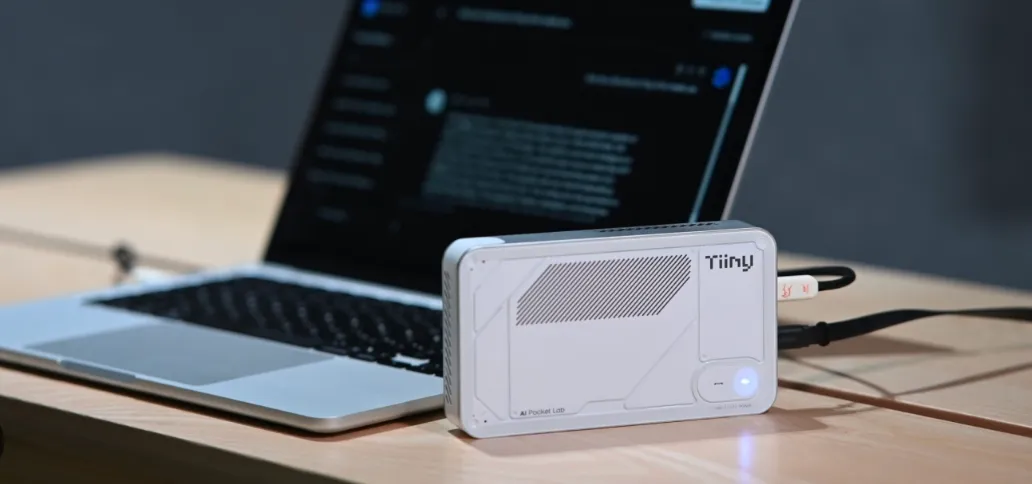
Tiiny AI Pocket Lab Review: The World's Smallest AI Supercomputer (CES 2026)
Affiliate Disclosure: As an Amazon Associate we earn from qualifying purchases. This review contains Amazon affiliate links to the Tiiny AI Pocket Lab and related AI hardware.
📢 CES 2026 Launch Update: The Tiiny AI Pocket Lab was officially unveiled at CES 2026 and is launching on Kickstarter in February 2026 with a super early-bird price of $1,399. Retail availability and full Amazon listings expected mid-to-late 2026.
⚡ Quick Verdict
🏆 Guinness World Record: Smallest MiniPC Running 100B LLMs Locally
★★★★☆ 4.4 / 5
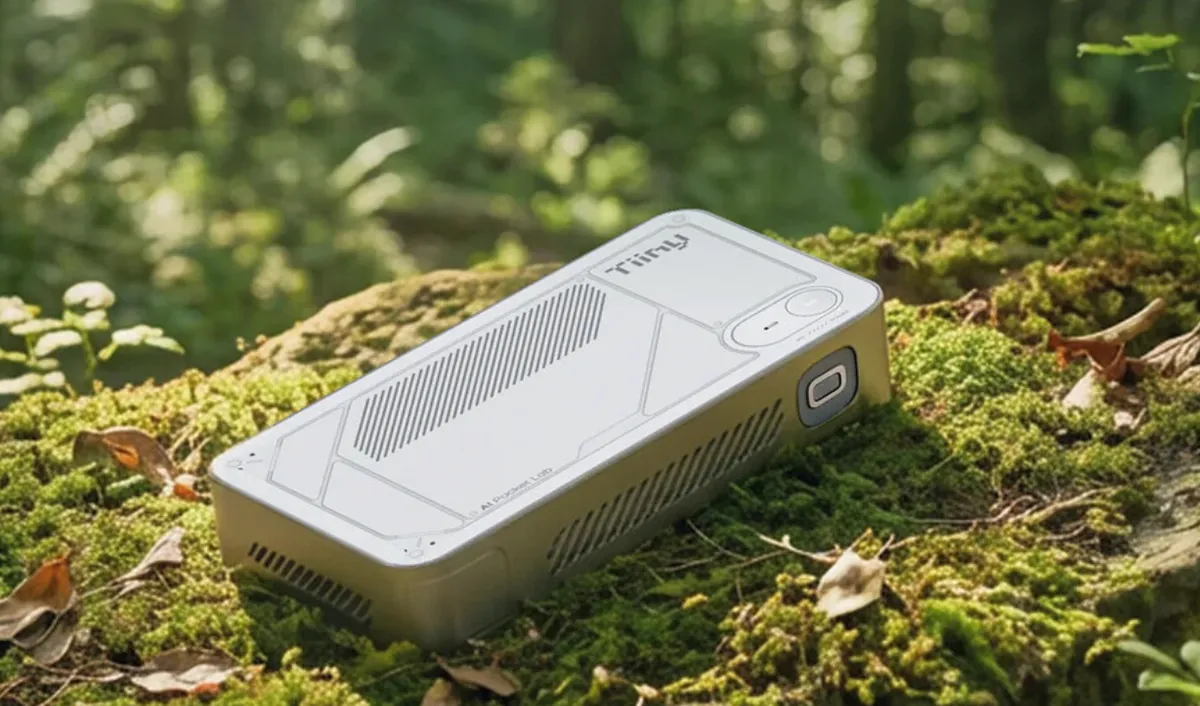
The Tiiny AI Pocket Lab is one of the most genuinely innovative AI gadgets to emerge from CES 2026. At 14.2 × 8 × 2.5 cm (roughly the size of a smartphone) and 300 grams, this pocket ai computer runs 120-billion-parameter large language models entirely offline - no cloud, no subscription, no GPU tower. It sports 80GB of LPDDR5X RAM, 1TB of SSD storage, and a 12-core ARMv9.2 CPU paired with a 160 TOPS NPU, all within a 30-65W power envelope. If it delivers on its CES demo performance, it's a category-defining portable ai device.
Best for: AI developers, researchers, creators, privacy-conscious professionals, and anyone tired of paying OpenAI and Anthropic subscription fees.
Check Price on Amazon →Jump to Verdict
📸 HERO IMAGE - Tiiny AI Pocket Lab product shot in hand (shows true scale)
Source options: audioXpress official press photo · Notebookcheck product shot
What Is the Tiiny AI Pocket Lab?
The Tiiny AI Pocket Lab is a palm-sized mini PC designed for a single, ambitious purpose: run large-scale AI models locally without relying on the cloud. Developed by US deep-tech startup Tiiny AI (founded by Miles Mi), the device was globally unveiled on December 10, 2025, and showcased at CES 2026.
The pitch is bold: Tiiny AI claims the Pocket Lab can run LLMs with up to 120 billion parameters entirely offline - the kind of models that normally require thousands of dollars of NVIDIA GPU hardware or ongoing cloud API fees. At CES, the company demonstrated the Pocket Lab achieving real-world decoding speeds of over 20 tokens per second on these massive models.
Guinness World Records officially verified the device as "The Smallest MiniPC (100B LLM Locally)" - an oddly specific category but a real engineering achievement. At 300 grams and a 30-65W power envelope, it consumes roughly 1/13th the power of a high-end NVIDIA GPU rig while running comparable AI workloads.
🚀 Kickstarter launching February 2026 - super early-bird price $1,399. Amazon availability expected later in 2026.
Design and Build: Power Bank-Sized Supercomputer
The first thing that strikes you about the Pocket Lab is the sheer density of computing it packs into a 300-gram chassis. At 14.2 × 8 × 2.5 cm, it's almost exactly the footprint of a modern smartphone - just thicker. In the hand, it feels closer to a portable external SSD or a chunky power bank than a traditional mini PC.
Tiiny AI hasn't officially released the case materials, but press photos suggest an aluminum or magnesium-alloy shell with passive heat dissipation. The company emphasizes that the device doesn't overheat even during sustained generative AI tasks, which is critical given that most mini PCs running LLMs thermally throttle within minutes.
📸 SIZE COMPARISON IMAGE - Tiiny AI Pocket Lab next to a smartphone or coin for scale
Source: Interesting Engineering coverage · TweakTown product shot
It's worth noting: this is not a device with an OLED display or built-in screen. The Pocket Lab is a headless mini PC - you connect to it from a laptop, phone, or external monitor. That's a common misconception when people confuse it with Lepro's "Ami" AI companion (another CES 2026 product with an 8-inch OLED display).
🔧 Under the Hood: Full Tiiny AI Pocket Lab Specs
Hardware Deep Dive
Here's how Tiiny AI pulls off running 120-billion-parameter models in a device that draws less power than a single light bulb.
Dimensions | 14.2 × 8 × 2.5 cm (5.6 × 3.15 × 1 in) |
|---|---|
Weight | 300 grams (~10.6 oz) |
CPU | 12-core ARMv9.2 processor with Neon, SVE2, SME2 instructions |
NPU | Up to 160 TOPS compute power |
RAM | 80GB LPDDR5X (unified memory) |
Storage | 1TB SSD |
Power Envelope | 30W typical / 65W max (12V DC input) |
Max LLM Size | Up to 120-billion parameters |
Demo Performance | 20+ tokens/second on 120B models |
Operating System | TiinyOS (Linux-based, open SDK) |
Supported Models | Llama, Qwen, DeepSeek, Mistral, Phi, OpenAI GPT-OSS |
Supported AI Agents | OpenManus, ComfyUI, Flowise, SillyTavern |
Encryption | Bank-level on-device encryption |
Connectivity | USB-C, WiFi 6, Bluetooth 5.x (official specs pending) |
Kickstarter Price | $1,399 (super early bird) |
Expected Retail | ~$1,500 |
The Software Optimization Secret
The real magic behind the Pocket Lab isn't just the silicon - it's the software stack. Tiiny AI leverages two key technologies to fit massive models into 80GB of RAM:
TurboSparse: A sparse activation technique that only loads the relevant portions of a model into memory during inference, rather than the entire parameter set.
PowerInfer: A hybrid CPU/GPU inference engine that intelligently routes computations between the ARM cores and the NPU for maximum throughput at minimum power.
Combined with 4-bit quantization (industry standard for consumer AI hardware), these optimizations allow the 80GB RAM to realistically host a 120B-parameter model - something that would normally require 240GB+ of VRAM in a traditional GPU setup.
Tiiny AI Pocket Lab Review: Performance In the Real World
Based on CES 2026 demonstrations and early hands-on reports, here's what the Pocket Lab can actually do:
1. Run GPT-4-Class Models Offline
The headline capability. At CES 2026, Tiiny AI demonstrated the Pocket Lab running models in the 10B-120B parameter range - the same size class as GPT-4 (rumored ~1.7T across multiple experts), Llama 3 70B, and Claude 3 Sonnet. Decoding speeds of 20+ tokens/second on these models is genuinely fast for personal hardware.
2. Generative Image and Video (ComfyUI)
The Pocket Lab ships with pre-configured support for ComfyUI, the most popular open-source Stable Diffusion frontend. Users can run local Stable Diffusion, Flux, and video generation models without paying for Midjourney or Runway subscriptions.
3. AI Agent Workflows
Support for OpenManus (an open-source Manus clone) and Flowise means you can build autonomous agent workflows that run entirely on your device. For developers building AI products, this is a legitimate R&D platform at a price point that's hard to beat.
4. Long-Term Personal Memory
The 1TB SSD with bank-level encryption creates a persistent local memory layer - your AI can accumulate knowledge about you over months or years without any data leaving the device. Cloud AI can't match this because OpenAI and Anthropic don't maintain persistent per-user memory by default.
5. Privacy-Preserving Enterprise Use Cases
For industries handling sensitive data (legal, medical, financial), the Pocket Lab enables LLM-powered workflows without the compliance headaches of sending prompts to OpenAI's servers. HIPAA, GDPR, and attorney-client privilege all become much simpler when inference is 100% local.
📸 TOKEN SPEED PERFORMANCE CHART - Tiiny AI's official performance benchmarks
Source: Notebookcheck has Tiiny AI's performance table
Tiiny AI Pocket Lab Price: Is $1,399 Reasonable?
Let's put the price in context. Here's what $1,399-$1,500 gets you across AI hardware categories in 2026:
Alternative | Price | What You Get |
|---|---|---|
Tiiny AI Pocket Lab | $1,399-$1,500 | 80GB RAM, runs 120B LLMs offline, 30W |
NVIDIA RTX 4090 (GPU only) | $1,600-$2,000 | 24GB VRAM, needs full PC ($3,000+ total), 450W |
Mac Mini M4 Pro (64GB) | $2,199 | Runs ~70B models, needs monitor/keyboard |
NVIDIA DGX Spark | ~$3,000 | Desktop AI supercomputer, runs 200B models |
OpenAI ChatGPT Plus subscription | $20/mo = $720 over 3 years | GPT-4 access, cloud-only, no privacy |
Claude Pro subscription | $20/mo = $720 over 3 years | Claude access, cloud-only |
For running 120B-class models locally, the Tiiny AI Pocket Lab is the cheapest option on the market by a wide margin. A comparable performance from NVIDIA's DGX Spark costs roughly double. A Mac Mini M4 Pro is close in price but can't match the LLM capability. An RTX 4090-based setup costs 2-3x more and uses 10-15x the power.
🛒 Where to Buy the Tiiny AI Pocket Lab
Pre-orders start on Kickstarter in February 2026. Amazon and retail availability expected mid-to-late 2026.
Pros and Cons: Honest Assessment
✅ Pros
World's smallest 100B-LLM device (Guinness-verified)
80GB unified memory is stunning at this size
100% offline AI - no cloud, no subscriptions
30W typical power draw (vs 450W+ for GPU rigs)
Bank-level local encryption for privacy
Open TiinyOS SDK for developers
One-click model installation (Llama, Qwen, DeepSeek, Mistral, Phi)
Pre-configured agent support (OpenManus, ComfyUI, Flowise)
No thermal throttling during sustained AI tasks (per CES demos)
Persistent local memory beats cloud AI for personalization
Price undercuts NVIDIA DGX Spark by ~50%
❌ Cons
First-generation startup hardware - reliability unproven
Kickstarter launch - historical risk of delays/failures
Headless device - no display, requires external control
12-core ARM architecture may limit compatibility with some x86 AI tools
80GB RAM cap means 120B models need aggressive quantization
Niche target market - developers and researchers, not mass consumers
Limited third-party support vs established Mac/NVIDIA ecosystems
Official retail pricing unclear ($1,399 Kickstarter vs ~$1,500 retail)
Ongoing software updates depend on Tiiny AI's survival as a startup
Documentation and community still nascent
Amazon availability not yet confirmed
Who Should Buy the Tiiny AI Pocket Lab?
✅ Buy It If You're:
An AI developer or researcher who runs local models frequently
A privacy-conscious professional (lawyer, doctor, therapist, journalist)
A content creator using local Stable Diffusion/ComfyUI for images
A small business owner wanting AI workflows without OpenAI data exposure
A student or hobbyist learning LLM development
A subscription-fatigued user tired of ChatGPT Plus + Claude Pro + Midjourney fees
A developer building AI products who needs a portable test rig
❌ Skip It If You:
Just want to use ChatGPT - cloud is simpler and cheaper
Don't understand what "running an LLM locally" means
Need guaranteed support (first-gen startup risk)
Rely on x86-specific AI software (this is ARM)
Want maximum raw speed (DGX Spark is faster)
Don't have $1,400 to gamble on Kickstarter hardware
Tiiny AI Pocket Lab Alternatives in 2026
If the Tiiny AI Pocket Lab isn't quite right for you, these portable ai device alternatives cover similar use cases:
NVIDIA DGX Spark (~$3,000)
Desktop-class AI supercomputer. Runs up to 200B parameter models. About 2x the price and not truly "pocket" but more raw power.
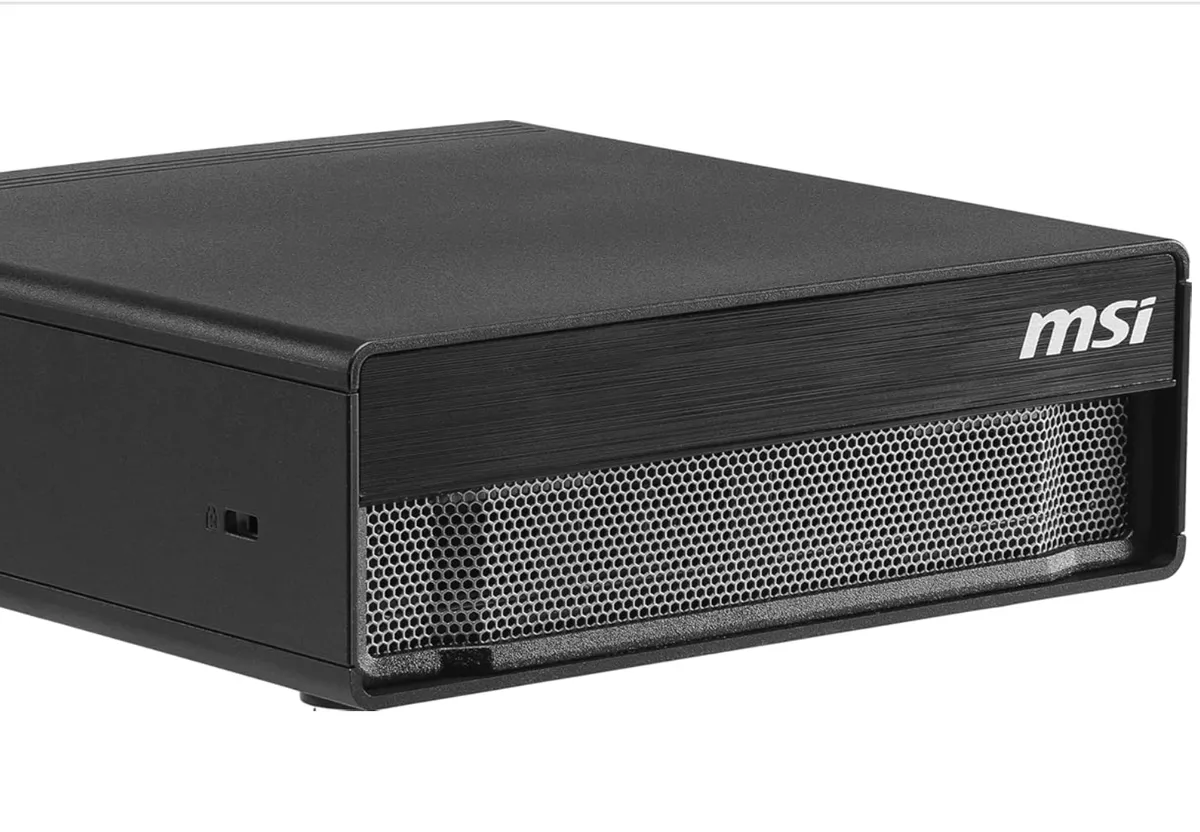
Apple Mac Mini M4 Pro (64GB) ($2,199)
Comparable local AI capability with macOS familiarity. Can run up to 70B models well. Higher price, more polished ecosystem.
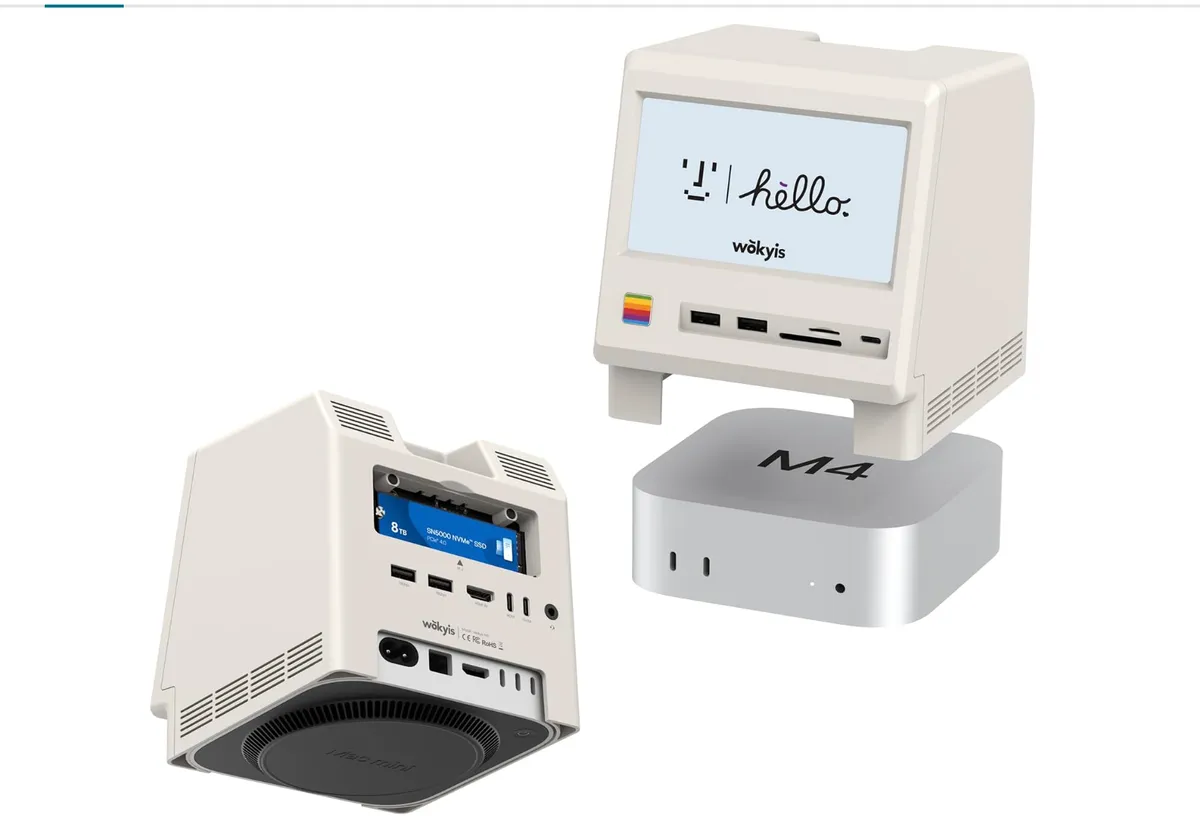
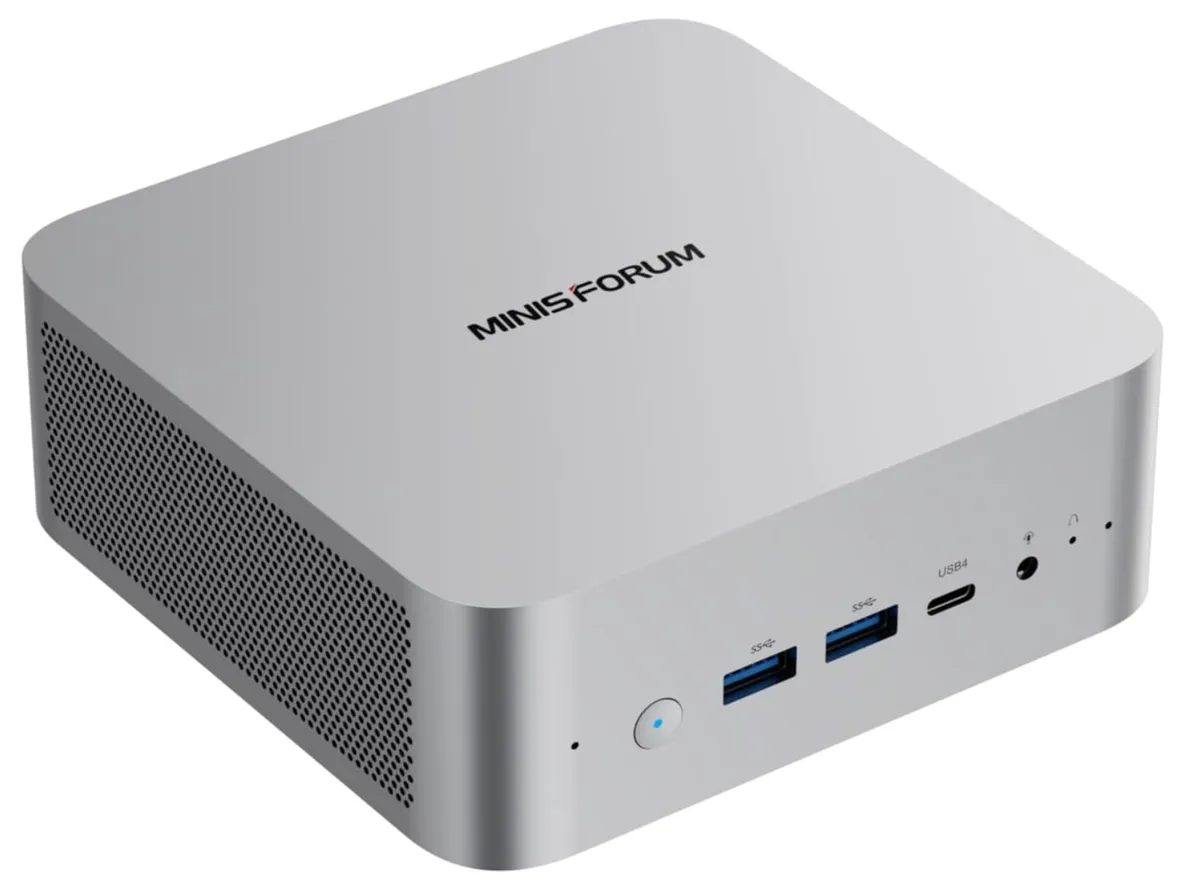
Minisforum AI X1 Pro ($1,087)
Traditional x86 mini PC with solid AI capabilities. Better software compatibility, smaller model ceiling.
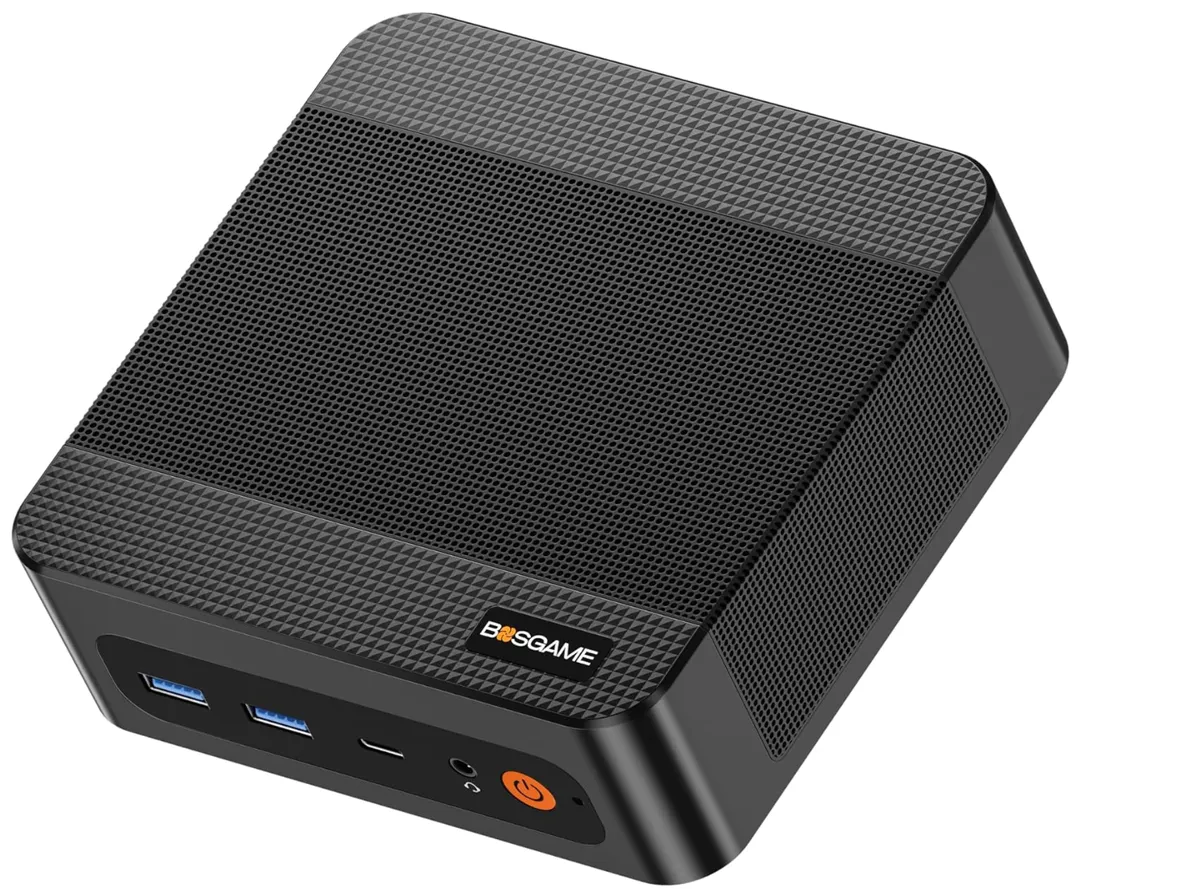
Bosgame M5 AI Mini PC (128GB RAM)
Recent entrant with even more RAM than the Tiiny AI Pocket Lab, but larger form factor and less AI-optimized software stack.
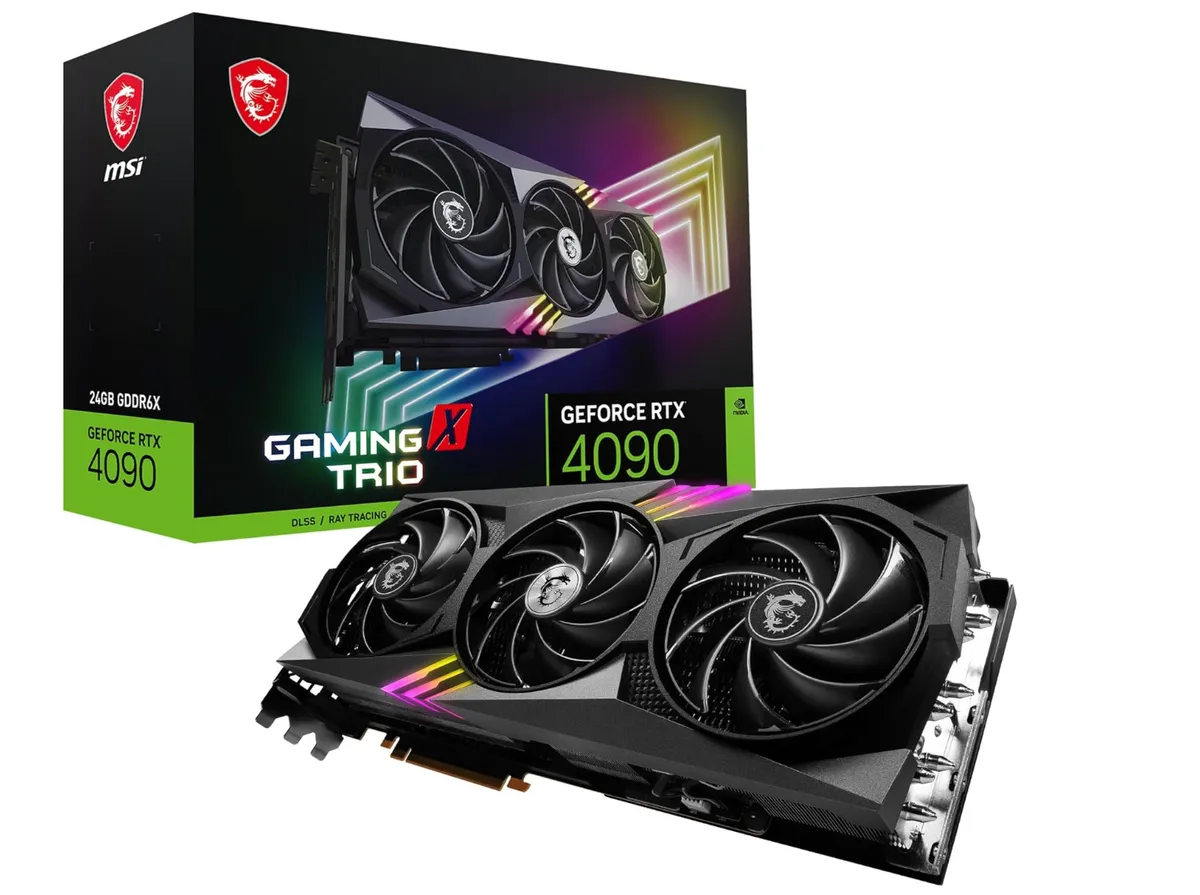
Build Your Own NVIDIA RTX 4090 PC ($3,000+)
Maximum raw GPU performance, but desktop-only, high power draw (~450-700W), and significantly more expensive once you add the full system.
🆚 Compare AI Hardware Alternatives:
Privacy and Security: The Real Selling Point
Beyond the engineering marvel, the Tiiny AI Pocket Lab's most compelling argument is privacy. Here's what running AI locally actually means for your data:
Nothing leaves the device. Your prompts, documents, and responses never touch OpenAI, Google, or Anthropic servers.
No training data contribution. Your conversations don't improve ChatGPT or Gemini's future models.
Internet outage = still works. Useful for remote locations, air-gapped environments, or when cloud AI services go down.
No rate limits or quota caps. Use it as much as you want.
Compliance becomes simpler. For HIPAA, GDPR, and attorney-client privilege, local processing removes the "vendor data handling" question entirely.
This matters especially in 2026, as OpenAI, Anthropic, and Google increasingly face subpoenas and government data requests. The Pocket Lab isn't immune to a government kicking in your door, but it removes the "Silicon Valley company hands over your data" vector entirely.
CES 2026 Context: Why This Matters
The Tiiny AI Pocket Lab was one of the most talked-about AI gadgets at CES 2026 for a reason. The broader AI industry is at a tipping point where on-device AI is becoming viable for serious workloads. In 2024, running a 70B model locally required a $5,000+ setup. In 2026, you can do it in your pocket for $1,399.
Other standout AI gadgets from CES 2026 include:
Lepro Ami - 8-inch OLED AI companion with eye-tracking avatar (different product from the Pocket Lab)
Samsung Galaxy XR headset - First Android XR device ($1,799)
aosu SolarCam T2 Ultra - Triple-modality detection security camera
XREAL 1S smart glasses - $449 AR glasses with hand tracking
Solos AirGo V2 - $299 AI smart glasses
What separates the Tiiny AI Pocket Lab from most CES products is that it represents a structural shift - not a gimmick. Edge AI is the real deal, and Tiiny AI is positioned as one of the first startups to ship commercial hardware at a price a serious hobbyist or small business could justify.
Final Verdict: Is the Tiiny AI Pocket Lab Worth $1,399?
🏆 Our Take
If you're the target buyer - a developer, researcher, creator, or privacy-conscious professional who wants to run large AI models without cloud dependencies - the Tiiny AI Pocket Lab is arguably the most exciting piece of AI hardware to launch in 2026. The combination of 80GB RAM, 120B-parameter capability, 30W power draw, and $1,399 price point is genuinely unprecedented for this form factor.
That said, buyer beware. This is first-generation startup hardware launching on Kickstarter. Historical track record of crowdfunded AI devices is mixed (see: Humane AI Pin, Rabbit R1). The performance claims need independent verification beyond CES demos. And the software ecosystem will take time to mature.
For early adopters who understand the risk, the Pocket Lab offers genuinely unique capabilities. For everyone else, waiting for the second generation - or for Amazon retail availability with reviews from verified buyers - might be the safer play.
If you need a tiiny ai review bottom line: this is the first legitimately pocket-sized AI supercomputer, and at $1,399 it's priced to disrupt. Just understand what you're buying.
🚀 Ready to Order?
Kickstarter launches February 2026 at $1,399. Amazon availability expected mid-to-late 2026. Bookmark this page - we'll update with direct Amazon links the moment they appear.
Check Amazon Availability →Browse AI Mini PCs
FAQ
Is the Tiiny AI Pocket Lab available on Amazon?
Not yet as of early 2026. The device launches on Kickstarter in February 2026, with Amazon retail availability expected mid-to-late 2026. Check the Amazon button above for current stock status.
How much does the Tiiny AI Pocket Lab cost?
$1,399 for Kickstarter super early-bird backers, with retail pricing expected around $1,500. This compares favorably to NVIDIA's DGX Spark ($3,000) and Mac Mini M4 Pro 64GB ($2,199) for local AI workloads.
Can the Pocket Lab really run a 120B-parameter model?
Yes, with 4-bit quantization and Tiiny AI's TurboSparse/PowerInfer optimization stack. At CES 2026, Tiiny AI demonstrated 20+ tokens/second performance on these models. Independent benchmarks are pending.
Does it have a screen?
No. The Pocket Lab is a headless mini PC that connects to external displays, phones, or laptops via USB-C, WiFi, or Bluetooth. If you're looking for an AI device with a built-in OLED screen, you may be thinking of the Lepro Ami - a separate CES 2026 product.
What operating system does it run?
TiinyOS, a Linux-based custom OS with an open SDK for developers. It supports one-click installation of popular open-source models (Llama, Qwen, DeepSeek, Mistral, Phi, GPT-OSS) and AI agent frameworks (OpenManus, ComfyUI, Flowise, SillyTavern).
Is it better than a Mac Mini M4 Pro for AI?
Depends on use case. The Pocket Lab runs larger models (up to 120B vs ~70B on the Mac Mini) at lower power, but the Mac Mini has a vastly more mature software ecosystem and doubles as a general-purpose computer. For pure local AI, Tiiny AI wins. For general productivity + AI, Mac Mini.
Can I train AI models on the Pocket Lab?
It's primarily designed for inference, not training. You can fine-tune smaller models, but training a new 120B model would still require GPU clusters or cloud compute.
How does it compare to the Humane AI Pin?
Completely different category. The Humane AI Pin was a consumer wearable that was remotely bricked in 2025. The Tiiny AI Pocket Lab is developer-focused hardware for running your own AI infrastructure locally. No cloud dependency, no shutdown risk.
Is it good for gaming?
No. The NPU is optimized for AI workloads, not graphics rendering. A Minisforum mini PC or gaming rig would be better for games.
What happens if Tiiny AI goes out of business?
The device would still run whatever models and software you've already installed, since it operates entirely offline. TiinyOS is an open SDK, so community-driven updates could continue. That said, official OTA firmware updates and support would end - a real risk with any first-gen startup hardware.
Affiliate Disclosure: As an Amazon Associate we earn from qualifying purchases. This review contains Amazon affiliate links. Article sources: audioXpress, Notebookcheck, TweakTown, Interesting Engineering, Gig City Geek, Tech Times, Jon Peddie Research, and official Tiiny AI press releases from CES 2026. Specifications subject to change based on final production hardware. This is a pre-retail review based on CES 2026 demonstrations; we'll update with hands-on testing once retail units are available.