Android XR Glasses: Everything We Know So Far (2026 Release, Pros & Cons)
Affiliate Disclosure: As an Amazon Associate we earn from qualifying purchases. Since Android XR glasses haven't launched yet, the buttons below link to currently available smart glasses alternatives on Amazon.
After more than a decade since Google Glass first walked the awkward path of consumer AR, Google is back - and this time, it's bringing Samsung, Qualcomm, Warby Parker, and Gentle Monster along for the ride. The Android XR glasses represent Google's most serious push into face-worn computing yet, with the first consumer devices expected to ship in 2026.
But are they worth the hype? Based on hands-on demos from journalists who've actually worn the prototypes at Google's December 2025 event, CES 2026, and MWC 2026, here's an honest, review-based breakdown of what Android XR glasses get right, where they fall short, and what you need to know before the summer 2026 launch.
⏳ Can't wait for Android XR glasses to launch? Here are the best smart glasses you can actually buy today:
Ray-Ban Meta on Amazon →Samsung Galaxy XRXREAL One Pro
🎬 Embed: Official Google/Samsung Android XR reveal trailer here
What Are Android XR Glasses?
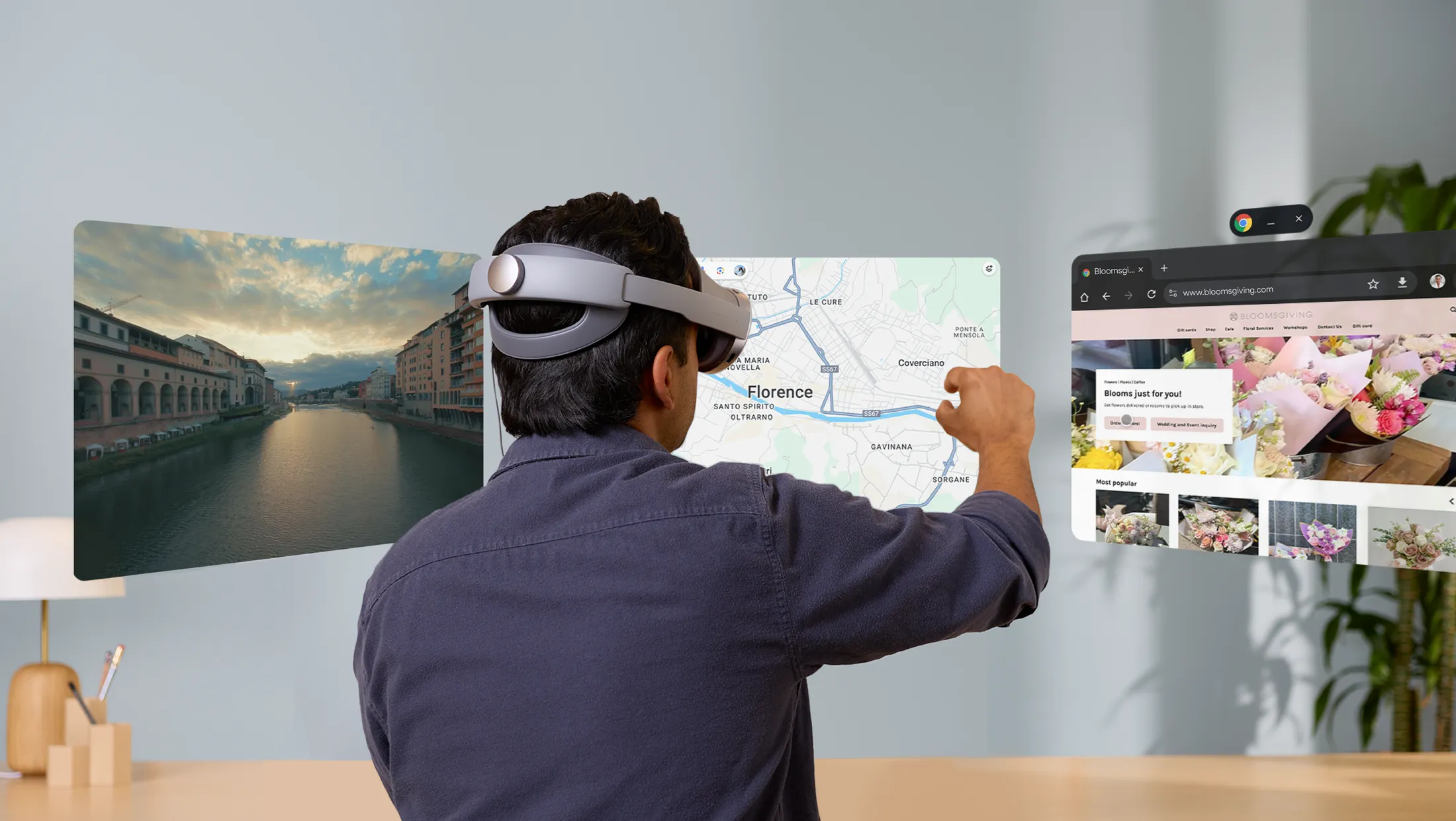
Android XR glasses are smart eyewear powered by Android XR, a new operating system built by Google in partnership with Samsung and Qualcomm. The platform launched on Samsung's Galaxy XR headset in October 2025, and now expands into lightweight smart glasses aimed at replacing - or at least reducing - the time you spend staring at your phone.
Google is taking a dual approach. The first category is AI Glasses, which include microphones, speakers, and cameras but no display (similar to Meta's Ray-Ban smart glasses). The second is Display AI Glasses, which add a microLED screen embedded in the lens for notifications, navigation, translations, and glanceable information.
Unlike Apple's walled-garden Vision Pro approach, Android XR is an open platform - Google is partnering with multiple hardware makers including Samsung, XREAL (Project Aura), Warby Parker, Gentle Monster, and luxury giant Kering Eyewear (Gucci, Balenciaga).
📱 The Samsung Galaxy XR headset is the first Android XR device available now - a great way to experience the Android XR platform before the glasses arrive.
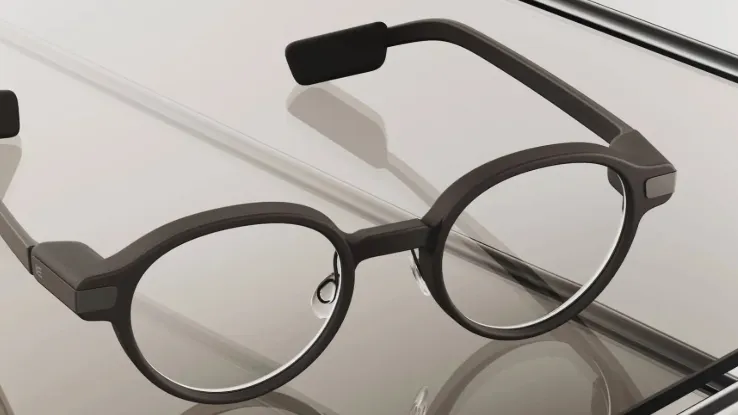
📸 Image: Official press render of Samsung Galaxy Glasses / Android XR prototype
Release Date: When Are Android XR Glasses Coming Out?
Here's what we know about Android XR glasses release date windows based on current reporting:
Samsung Galaxy Glasses - Confirmed for 2026 during Samsung's Q4 2025 earnings call by EVP Seong Cho. Multiple reports point to an August 2026 launch, likely debuting alongside the Galaxy Z Fold 8 at Samsung Unpacked.
Google's monocular display glasses - Developer kits shipped in late 2025; consumer launch targeted for 2026.
XREAL Project Aura - Teased at CES 2026 but under wraps; expected later in 2026.
Warby Parker Android XR glasses - No firm date; Google has committed up to $150 million in investment to Warby Parker for development.
Samsung has not confirmed a specific month, but industry watchers at Tom's Guide, Android Central, and 9to5Google all point to the second half of 2026 as the realistic window for the first major consumer release.
Android XR Glasses Price: How Much Will They Cost?
Pricing is one of the biggest open questions, and honestly, it's where consumers should temper expectations.
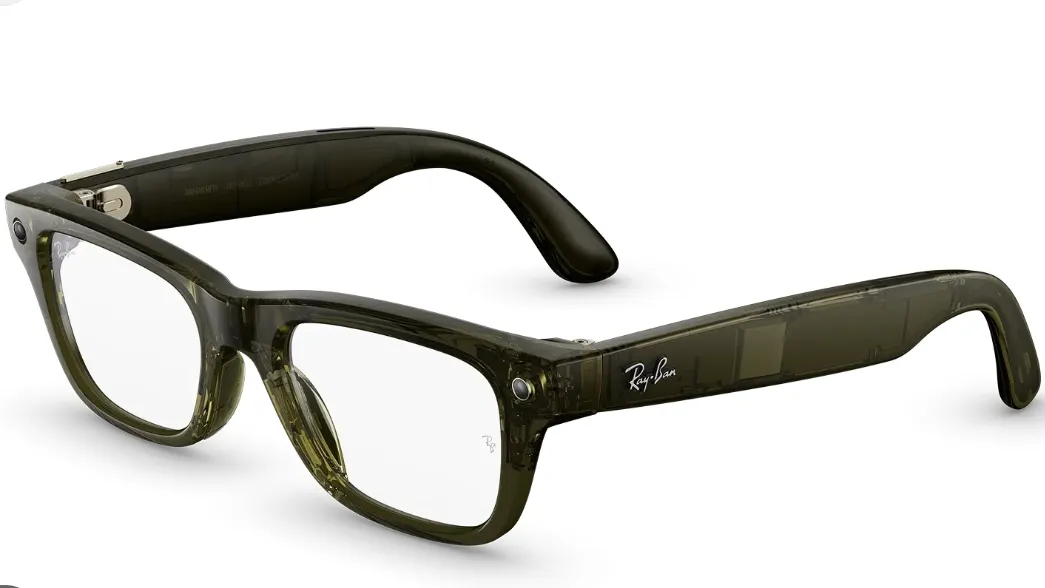
Current reporting from Geeky Gadgets and Tech Magazine suggests the Samsung Galaxy Glasses will launch in the $600 to $900 range, placing them firmly in premium territory. That's significantly more expensive than the $329 Ray-Ban Meta glasses but cheaper than Meta's $799 Ray-Ban Display glasses.
For context (links go to currently available products on Amazon):
Ray-Ban Meta (audio-only): $329 - See on Amazon →
Meta Ray-Ban Display: $799 - See on Amazon →
XREAL One Pro / XREAL 1S: $449-$499 - See on Amazon →
Samsung Galaxy Glasses (estimated): $600-$900 - Not yet available
Samsung Galaxy XR headset (for reference): $1,799 - See on Amazon →
Google and Samsung have not officially confirmed Android XR glasses price, and figures could shift closer to launch. Enterprise and prescription-lens variants will likely push the ceiling higher.
Design and Build Quality: What Reviewers Actually Think
Multiple hands-on reviews highlight how ordinary the Android XR glasses look - and that's meant as a compliment. According to HitPaw's review and 9to5Google's hands-on, the glasses look "completely unassuming and unobtrusive… like any other pair of black, thick-rimmed glasses."
Leaked specs from GalaxyClub suggest the Samsung version will weigh around 50 grams - light enough for all-day wear. Compare that to the original Google Glass, and it's night and day.
Google has partnered with fashion-forward brands specifically because it understands a hard truth from the Glass era: most people don't want to wear obviously "techy" eyewear. Gentle Monster brings avant-garde styling, Warby Parker offers minimalist appeal, and Kering delivers luxury design. This isn't one-size-fits-all hardware - it's a platform play.
📸 Image: Gentle Monster / Warby Parker Android XR frames collaboration
Features That Actually Impressed Reviewers
Here's where the hands-on reviews genuinely shine. These are the features that consistently drew praise from journalists who've worn the prototypes:
1. Gemini AI Integration Is the Killer Feature
Every reviewer - from 9to5Google to Android Authority to Next Reality - highlighted Gemini's contextual intelligence as the standout. You can ask questions about what you're looking at, get real-time object recognition, and receive proactive suggestions without pulling out your phone.
2. Live Translation in 40+ Languages
The glasses support real-time translation across 40+ languages, including sign language, displayed directly in your field of view on the display version.
3. AR Navigation That Actually Works
This one consistently blows reviewers away. 9to5Google's Abner Li called it "the killer UX interaction" - when you look straight ahead, you see a simple direction pill. Tilt your head down, and a full Google Maps mini-view appears "like a corner guide in a video game." The transition animations are described as "absolutely delightful and fluid."
4. Cross-Device Continuity
Take a photo with your display-less glasses, and a notification on your Wear OS watch lets you preview it instantly. This is the "Better Together" vision Android has promised for years, finally executed properly.
5. microLED Display Quality
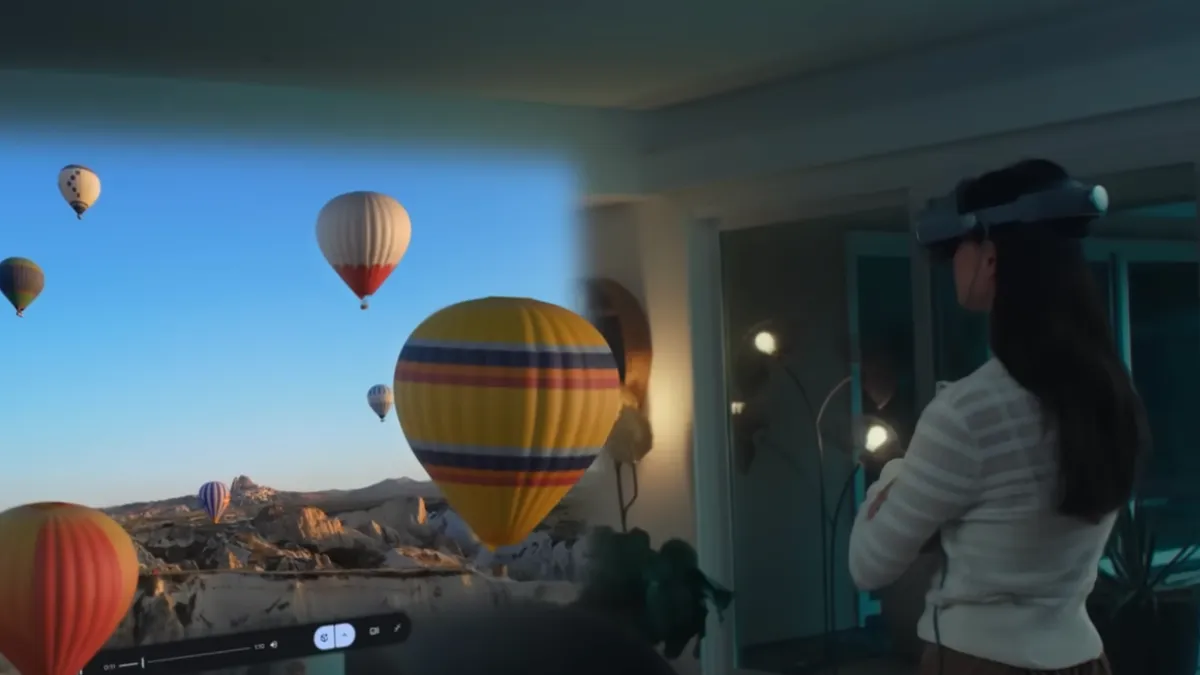
The single display on the monocular version uses microLED tech from Google's 2022 acquisition of Raxium. Reviewers describe it as a "truly floating display" with "sharp resolution" and "vibrant, phone-like colors."
6. Third-Party App Support Out of the Gate
Because Android XR extends the existing Android ecosystem, thousands of apps "just work" without developers rewriting code. Uber, YouTube, Google Maps, and more already have XR experiences demoed.
💡 Want Gemini AI in your pocket today? Ray-Ban Meta offers the closest current experience with AI assistant integration and a camera.
The Cons: What Reviewers Are Genuinely Worried About
This is where most breathless launch articles fall short. Based on actual hands-on time and critical analysis, here are the legitimate concerns:
1. Privacy Is Still an Enormous Problem
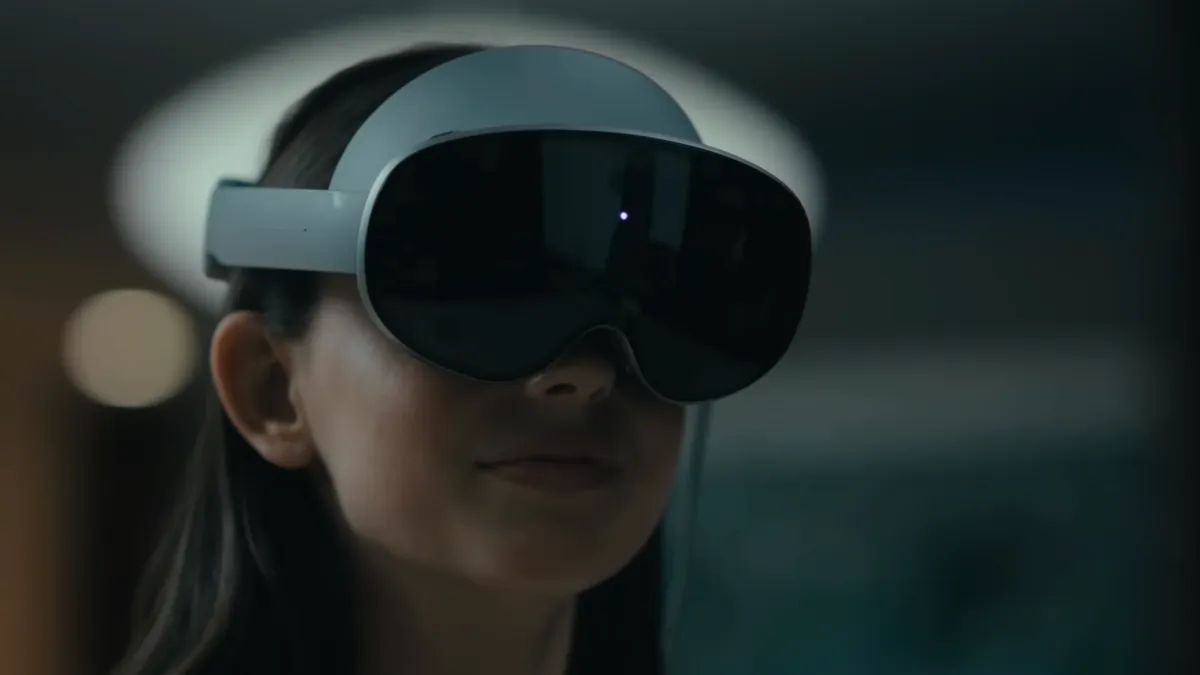
This is the single biggest concern across every review. The "Glasshole" stigma from Google Glass hasn't disappeared, and Android XR arrives in a world where Meta's Ray-Bans are already under regulatory scrutiny - contractors reviewing user footage reportedly encountered sensitive and intimate content from accidental recordings.
Google's mitigations include a prominent red-when-off power switch, a recording-indicator LED on the front (which, if covered, disables the camera entirely), and clearer privacy statements. Reviewers at Android Authority called these "comforting to hear" but noted Google "has built a bad reputation over the past few years" and will need to "work overtime to convince the masses."
2. Battery Life Will Be the Achilles' Heel
Leaked specs suggest Samsung's glasses will have a 155mAh battery (some sources say 245mAh). Geeky Gadgets estimates 6-8 hours of typical use, but power-intensive features like real-time translation, 3D navigation, and the camera will drain that fast.
Android Authority's hands-on with Project Aura noted the puck "warmed up" noticeably during brief use, suggesting thermal and battery trade-offs are real.
3. The Price Will Exclude Most Buyers
At a projected $600-$900, these are not mass-market devices. That's roughly 2-3x the price of Ray-Ban Meta glasses and puts them out of reach for average consumers - at least for the first generation.
4. Phone Dependency
Android XR glasses are tethered companions, not standalone devices. They rely on your Android phone for heavy processing, meaning iPhone users will have limited functionality at launch (though iOS support is reportedly coming). If your phone dies, so does most of the glasses' intelligence.
5. Visual Manipulation Raises Ethical Red Flags
At MWC 2026, Google demoed the "Nano Banana" AI image generation system - which, in one moment, digitally transformed a Google employee into Darth Vader in real time. The implications are troubling. As one reporter bluntly asked: isn't this copyright infringement, and what's stopping users from digitally altering strangers' appearances without consent?
6. Social Acceptance Is Unproven
Meta has trained the public to accept camera-equipped sunglasses. But everyday prescription-style glasses with always-on cameras and microphones are a different beast socially. Whether people will tolerate them in offices, restaurants, gyms, and schools is an open question.
7. Monocular Display Takes Getting Used To
The display only appears in the right lens. HitPaw's review notes users "take some getting used to before they grow comfortable." If you're left-eye dominant, this could be a longer adjustment.
Samsung XR Glasses vs Google XR Glasses: What's the Difference?
This is a common point of confusion. Here's the clearest way to think about it:
Samsung XR glasses (Galaxy Glasses) are the hardware Samsung is manufacturing and selling. They run on Android XR, use a Qualcomm AR1 chipset, and integrate deeply with the Samsung Galaxy ecosystem (phones, watches, tablets).
Google XR glasses refers more broadly to the Android XR platform and the various prototypes Google has demoed - including Project Astra smart glasses and reference designs. Google is not directly selling its own-branded consumer glasses at launch. Instead, it's powering devices from Samsung, XREAL, Warby Parker, Gentle Monster, and Kering.
Think of it like Android phones: Google makes the OS, partners make the hardware. Samsung is currently the flagship partner, just as it is for Android phones.
Who Should Buy Android XR Glasses?
Based on the current information, these glasses make sense for:
Android power users already deep in the Galaxy or Pixel ecosystem
Travelers who'd benefit from live translation and navigation
Early adopters comfortable with first-generation quirks and privacy trade-offs
Enterprise users in field service, logistics, healthcare, or engineering
Developers building on Android XR
They probably aren't right yet for:
iPhone-only users (limited functionality at launch)
Budget-conscious buyers (the $600-$900 price is steep)
Privacy-first consumers (camera-equipped face-wear raises real concerns)
Anyone expecting all-day battery under heavy use
How Android XR Glasses Compare to Meta and Apple
vs Meta Ray-Ban Display ($799): Meta has a head start, real retail presence, and proven social acceptance. But Android XR beats Meta on platform openness, deeper AI integration through Gemini, and third-party app support.
vs Apple's rumored smart glasses: Apple is reportedly 2-3 years behind, with smart glasses projected between 2026 and 2028. Apple will likely win on polish and ecosystem lock-in (iPhone users); Android XR wins on choice, customization, and open development.
vs XREAL / Even Realities: These remain niche. XREAL's new 1S at $450 offers great media consumption, but lacks the AI depth of Android XR. Even Realities G2 has a monochrome green display and no camera - privacy-friendly but feature-limited.
Final Verdict: Should You Wait for Android XR Glasses?
Based on everything we know and every hands-on review available so far, Android XR glasses are shaping up to be the most ambitious and capable smart glasses launching in 2026 - but not the most refined, and definitely not the cheapest.
The strengths are real: Gemini's AI is genuinely impressive, the microLED display quality has surprised every reviewer, Google Maps AR navigation is described as magical, and the open-platform approach gives Android XR a developer advantage no competitor can match at launch.
The concerns are also real: Privacy baggage from the Glass era hasn't evaporated, battery life under real use will be constrained, the $600-$900 projected price locks out mass-market buyers, and social acceptance of always-on face cameras remains genuinely unresolved.
If you're an Android enthusiast who loved the concept of Google Glass but waited for the execution to catch up - 2026 is finally your year. If you're a casual user who just wants smart glasses for music and occasional photos, the Ray-Ban Meta at $329 still makes more sense.
Either way, 2026 is the most important year in smart glasses since 2013. And for once, the hype might actually be earned.
🛒 Shop Smart Glasses Available Today
While you wait for Android XR glasses to launch, here are the top smart glasses you can buy right now on Amazon:
This article will be updated as official Samsung Galaxy Glasses and Google Android XR glasses launch details, pricing, and retail reviews become available in summer 2026.
Affiliate Disclosure: As an Amazon Associate we earn from qualifying purchases. This article contains Amazon affiliate links - if you purchase through one of these links, we may earn a commission at no additional cost to you. This does not influence our editorial assessment of the products.