Affiliate Disclosure: As an Amazon Associate we earn from qualifying purchases. Android XR glasses are not on sale yet, so the links below go to smart glasses you can buy today.
Samsung unveiled its first Android XR glasses at Galaxy Unpacked in London on July 22, 2026 and confirmed a fall 2026 retail launch. The first model has no display. It is a camera, microphone and speaker device with Gemini as the interface, and a display-equipped version is rumoured for 2027. Samsung has not announced a price, though reporting points to $379 to $499.
⏳ Want smart glasses now? Ray-Ban Meta on Amazon | Samsung Galaxy XR | XREAL One Pro
What Are Android XR Glasses?
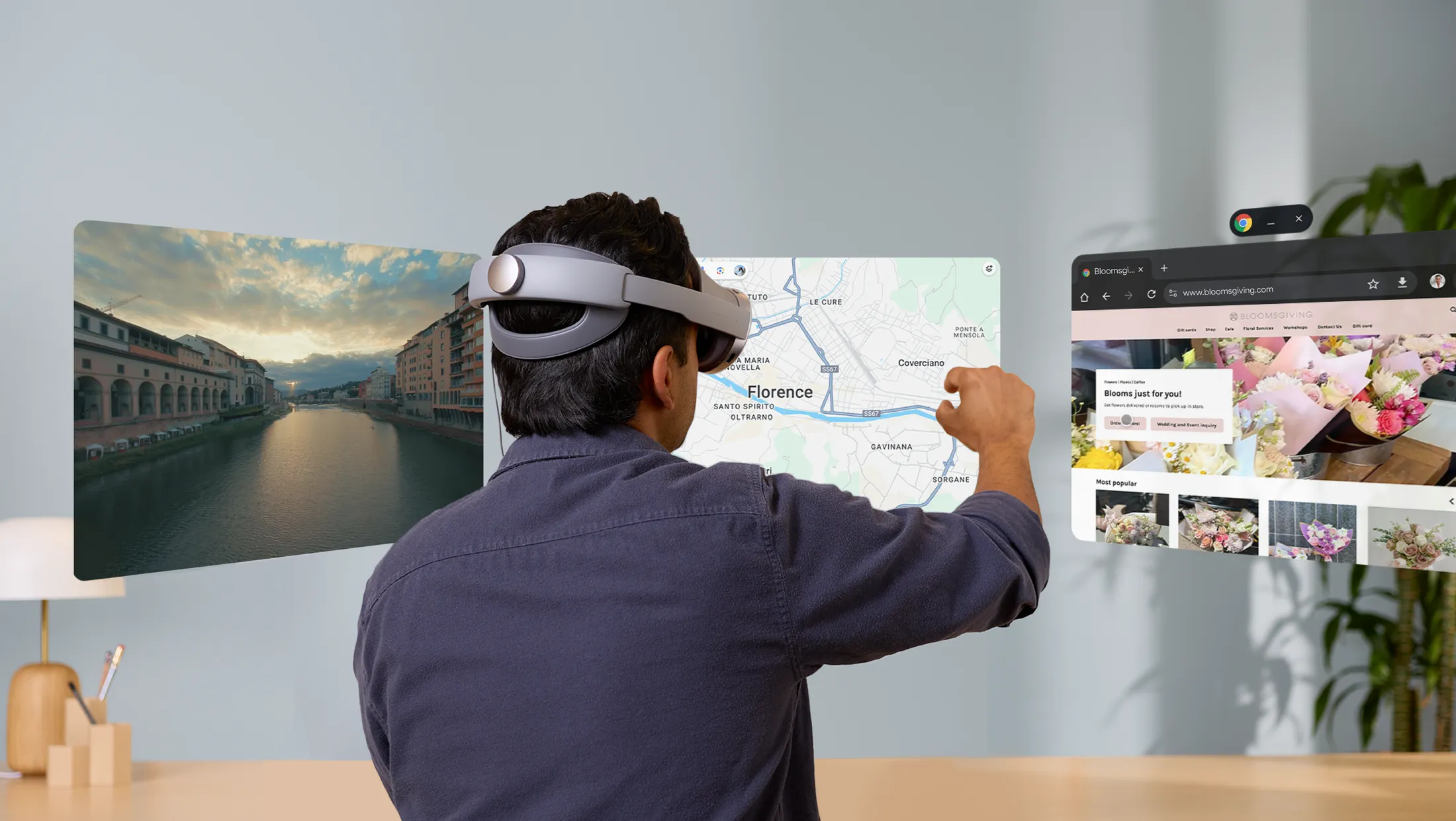
Android XR glasses are smart eyewear running Android XR, an operating system Google built with Samsung and Qualcomm. The platform launched on the Galaxy XR headset in October 2025 at $1,799.
Google splits the category in two. AI Glasses have microphones, speakers and cameras but no screen. Display AI Glasses add a microLED panel in the lens. Samsung's 2026 product is the first type. Google supplies the platform and partners including Samsung, Warby Parker and Gentle Monster build the hardware, exactly as with Android phones.
Android XR Glasses Release Date: When Can You Buy Them?
Samsung unveiled its Intelligent Eyewear at Galaxy Unpacked on July 22, 2026 at Old Billingsgate in London, with designs developed alongside Gentle Monster and Warby Parker, and confirmed a fall 2026 retail launch.
Samsung has not committed to a specific ship date. The display model, reported under the codename Haean, is expected in 2027.
Android XR Glasses Price: How Much Will They Cost?
Samsung still has not announced a price. Reports before Unpacked pointed to $379 to $499, and that range remains a rumour after the reveal.
The widely repeated $600 to $900 figure applies to the 2027 display model, not this year's glasses. The display-free 2026 pair, codenamed Jinju, is expected between $379 and $499, with the display variant arriving in 2027 at a rumoured $600 to $900. At that price the Galaxy Glasses land directly in Ray-Ban Meta Gen 2's bracket.
Ray-Ban Meta Gen 2: from $379 See on Amazon
Meta Ray-Ban Display: $799 See on Amazon
Samsung Galaxy Glasses: unannounced, rumoured $379 to $499
Samsung Galaxy XR headset: $1,799 See on Amazon
Android XR Glasses Specs and Features
Gemini is the interface, not a feature. With no screen, everything runs through voice. You ask about what you are looking at and get object recognition and live translation through the speakers.
Camera: leaked specs point to a 12MP Sony IMX681 with autofocus, which Ray-Ban Meta's fixed-focus camera lacks. Samsung has not confirmed the sensor.
Battery: reporting before Unpacked put runtime at about nine hours with seven additional charges from the case.
Weight: around 50 grams, light enough for all-day wear.
Chipset: Qualcomm Snapdragon AR1.
Apps: because Android XR extends Android, thousands of apps work without developers rewriting code.
The Drawbacks Reviewers Flag
1. No display on the first model. This is the biggest expectation gap. The AR navigation overlays and floating screens you have seen in demos belong to Google's prototypes and Samsung's 2027 model. These glasses tell you things. They do not show you things.
2. Privacy. Samsung's glasses light an LED when recording, the same way Meta's do. Cover the light and recording stops, and taking the glasses off stops it too. Reviewers call the safeguards reassuring but note Google still has trust to rebuild after the Glass era.
3. Battery claims are unverified. Capacity is disputed between 155mAh and 245mAh with no source reconciling the two. Translation, navigation and camera use will drain it far faster than standby.
4. Meta already owns this market. Meta held 69.2 percent of the screenless smart glasses segment in the first quarter of 2026 according to IDC. Samsung is not entering an empty room.
Conclusion:
Android XR glasses are the most significant smart glasses launch of 2026, but they are not the product most people expect. The version shipping this fall has no screen. It is a Gemini assistant on your face with a strong camera, priced against Ray-Ban Meta and beating it on AI depth and app support while losing on distribution.
If you want the floating display, wait for 2027. If you want the best wearable AI assistant and you already use a Galaxy phone, fall 2026 is worth waiting for. If you just want music and photos, Ray-Ban Meta does that today.
Frequently Asked Questions
Q1: When do Android XR glasses come out?
A: Samsung revealed them at Galaxy Unpacked on July 22, 2026 and confirmed a fall 2026 launch in select markets. No specific ship date has been named. The display model is expected in 2027.
Q2: How much do Android XR glasses cost?
A: Samsung has not announced pricing. Reporting points to $379 to $499 for the 2026 model, matching Ray-Ban Meta Gen 2. The $600 to $900 figure refers to the 2027 display version.
Q3: Do Android XR glasses have a display?
A: The 2026 Samsung model does not. It uses a camera, microphones and speakers with Gemini as the interface. Display AI Glasses with a microLED lens panel arrive with Samsung's 2027 model.
Q4: Do Android XR glasses work with an iPhone?
A: Google says the glasses pair with both Android and iOS phones for calls, messages and tasks. The deepest features are built around Galaxy phones and watches, so iPhone users get a reduced experience.
Affiliate Disclosure: As an Amazon Associate we earn from qualifying purchases. This article contains Amazon affiliate links, and we may earn a commission at no additional cost to you. This does not influence our editorial assessment.