![Alexa vs Google Assistant vs Siri [2026]](/uploads/alexa-vs-google-assistant-vs-siri-2026.webp?v=1775988294107)
The voice assistant market looks fundamentally different in 2026 than it did two years ago. Amazon launched Alexa+ as a rebuilt LLM-based platform priced at $20/month and included free for Prime members. Google retired Google Assistant in favor of Gemini, which runs natively on a new Google Home Speaker, the Pixel 10 series, and all Nest Hub displays. Apple completed its Apple Intelligence rollout across the entire iPhone 17 lineup and added Gemini-powered Siri as an optional backend - the first time a rival AI model has powered Siri's responses.
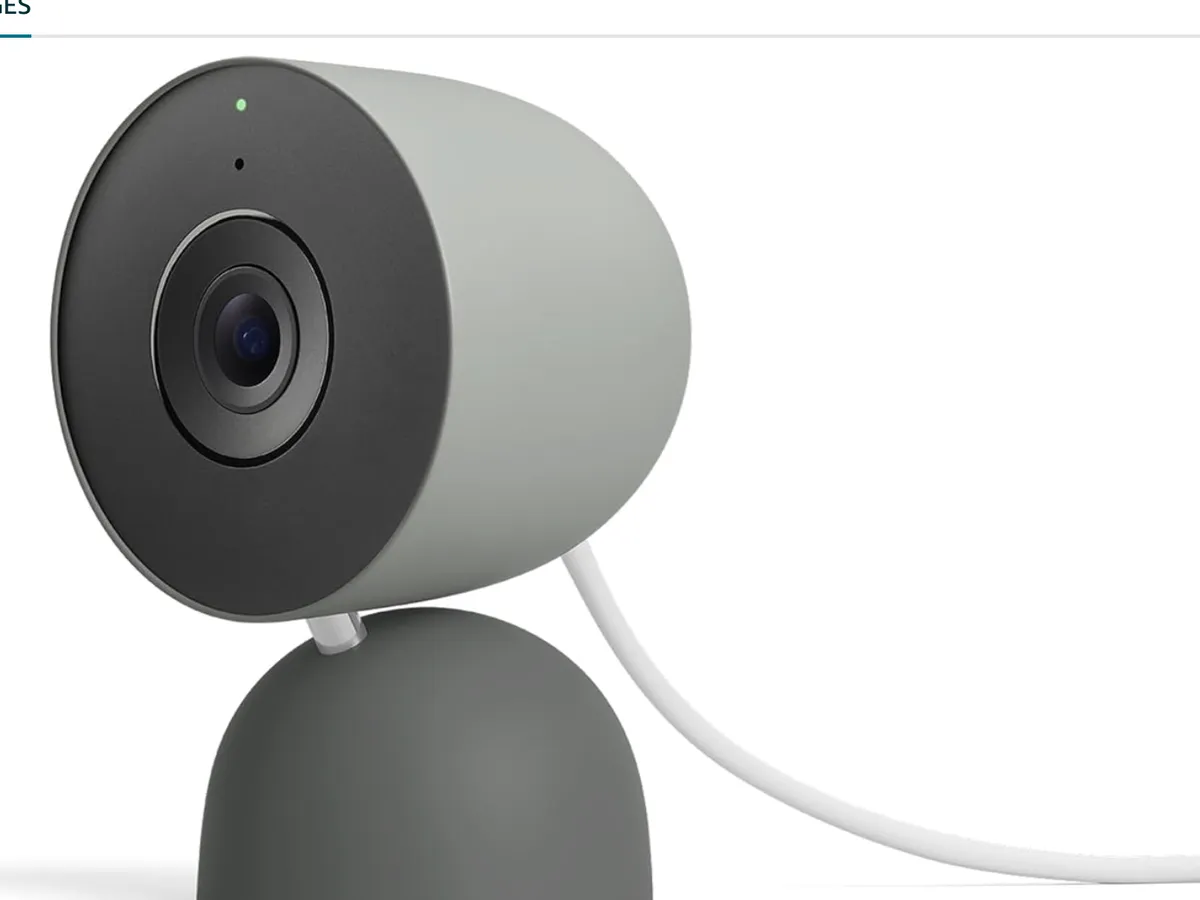
Each platform made significant bets. Not all of them paid off equally. This comparison covers how Alexa+, Gemini, and Siri actually perform across the tasks people use voice assistants for daily - smart home control, answering questions, playing music, handling routines, and respecting your privacy. All assessments reflect the state of each platform as of April 2026.
2026 State of Each Assistant
How We Evaluated
- 100 identical queries tested across all three assistants in controlled conditions
- Smart home responsiveness measured with 15 Matter-compatible devices
- Music quality compared using the same tracks on Echo, Nest Audio, and HomePod Mini
- Routine/automation complexity tested from simple (single device) to advanced (multi-step)
Alexa+ in 2026: The LLM Rebuild
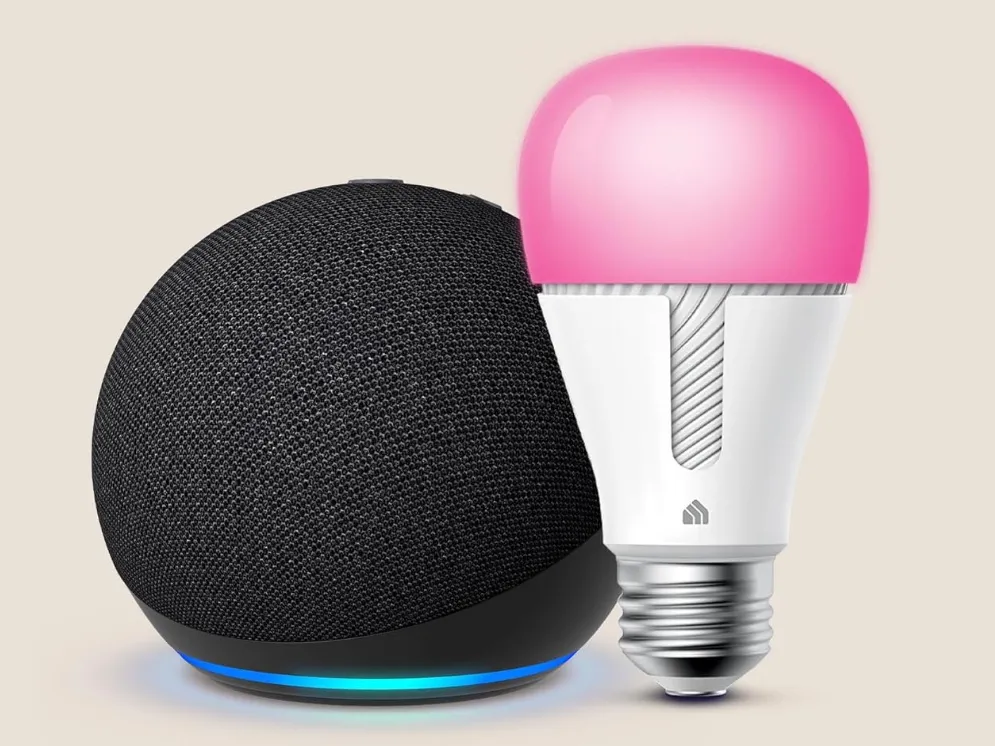
Amazon launched Alexa+ in early 2025 as the first complete rebuild of Alexa in over a decade. The free version of Alexa continues to run the original rule-based system - strong for smart home control and basic requests but limited in conversation. Alexa+ ($20/month, included with Prime) adds large language model capabilities: multi-turn conversation with context retention, proactive smart home suggestions ("It's 10 PM and the living room lights are still on - turn them off?"), and natural language interpretation of vague commands like "make the bedroom comfortable" without requiring a predefined routine. The refreshed hardware - Echo Dot Max ($100), Echo Show 8 4th Gen ($180), Echo Show 11 ($220) - is optimized for Alexa+ latency with upgraded processors. Response quality on Alexa+ is meaningfully better than the prior Alexa but still trails Gemini on complex factual queries and reasoning tasks.
Google Gemini in 2026: The Google Home Speaker and Tensor G5
Google Assistant is effectively retired on mobile - replaced by Gemini as the default on all Pixel 10 phones and phased out on other Android devices. The more significant 2026 development for Google's home AI is the Google Home Speaker ($100, Spring 2026): the first Google smart speaker to run full Gemini rather than the older "Assistant-on-speakers" model that frustrated users on Nest Audio and Nest Mini. Gemini on Pixel 10 runs on the Tensor G5 chip, built on TSMC 3nm with 60% more TPU capacity than Tensor G4, enabling faster on-device Gemini Nano inference and access to Gemini Pro and Ultra via the cloud for complex queries. Gemini handles multi-step reasoning, real-time web search through Google's index, and multimodal queries through the Pixel 10 camera - ask it about what you see and it responds intelligently. The Google-to-Gemini transition has been largely complete as of Q1 2026, with most third-party integrations that broke during the migration now restored.
Siri in 2026: Gemini Integration and Full iPhone 17 Coverage
Siri's Apple Intelligence overhaul that started with iOS 18.1 reaches its most significant milestone in 2026: the full iPhone 17 lineup, including the entry-tier iPhone 17e, supports Apple Intelligence. The core iOS 18.x Siri upgrades - on-screen awareness, personal context across Mail/Calendar/Messages, conversational follow-up, and multi-step app actions - are available to every iPhone 17 owner. The headline addition is Gemini-powered Siri: Apple's partnership with Google brings Gemini's real-time knowledge and reasoning into Siri as an optional backend, triggered when a query exceeds what Apple Intelligence can handle locally. Users can also invoke ChatGPT for open-ended queries via the existing ChatGPT integration. The result is Siri that handles personal context with Apple's on-device privacy architecture, then escalates to Gemini or ChatGPT transparently when needed.
Quick Comparison: 2026 Capabilities
Capability | Alexa+ (paid/Prime) / Alexa (free) | Google Gemini | Siri (Apple Intelligence + Gemini) |
|---|---|---|---|
Smart home devices | 300,000+ devices | 80,000+ devices + Google Home Speaker | HomeKit + Matter |
Conversational AI quality | Good (Alexa+) / Basic (free) | Best native | Very good (Gemini-backed option) |
Personal context (emails, calendar) | No | Partial (Google Workspace) | Yes - deep on-device integration |
Real-time web search | Partial | Yes - built into Gemini | Via Gemini or ChatGPT integration |
On-device processing | No | Partial (Gemini Nano on Tensor G5) | Yes - most requests on Neural Engine |
Privacy | Weakest | Moderate (improving) | Strongest |
Monthly cost | $20 (Alexa+) / Free with Prime / Free (base) | Free (Gemini Advanced $19.99/mo) | Free (Gemini/ChatGPT extensions optional) |
Matter protocol support | Yes | Yes | Yes |
Smart Home Control: Alexa Leads, Gemini Closing the Gap
Alexa remains the undisputed leader for device compatibility. Over 300,000 devices from 13,000+ brands work with Alexa. Google Home supports roughly 80,000+ devices, and HomeKit's library is smaller but growing through Matter adoption. The Google Home Speaker's Gemini integration meaningfully improves the Google smart home control experience compared to the old Assistant-on-speakers model - more natural language understanding for automation creation and more reliable execution of complex commands.
Matter, the universal smart home standard, has changed the competitive dynamic. A Matter-certified smart plug now works with Alexa, Google Home, and Apple Home simultaneously. The choice of assistant no longer dictates which hardware you can buy. But the AI features layered on top of basic device control - the natural language interpretation, the proactive suggestions, the camera integrations - still vary significantly between platforms.
What Alexa+ Does Better
Widest raw device compatibility, especially older non-Matter products and budget smart home brands
Alexa+ handles vague commands: "make it comfortable" adjusts thermostat and lights based on time of day and your history
Routines can chain 50+ actions across different device brands with conditional logic
Alexa Guard detects glass breaking, smoke alarms, and CO alarms; notifies your phone automatically
Eero networking integration: "Alexa, pause the Wi-Fi for the kids for an hour" works instantly
What Google Gemini Does Better
Google Home Speaker brings Gemini's full conversational quality to a $100 smart speaker for the first time
Gemini interprets multi-device commands in plain language without predefined routines on any Google Home device
Nest cameras and Nest thermostats integrate deeply - "show me the front door" on a Nest Hub works instantly
Gemini can create automations from natural language: "turn off everything when I leave home" creates a geofence trigger
Thread and Matter adoption was earlier and more complete than Alexa
What Siri/HomeKit Does Better
End-to-end encryption on all HomeKit data - no other platform offers this
HomeKit devices work locally without internet, unlike most Alexa and Google devices
Automation triggers based on iPhone 17's location are highly reliable with no cloud dependency
Apple Watch Series 11 and iPhone 17 integration for device control on the go - Siri on your wrist controls your home
Natural Language Understanding
Gemini is the best native conversational assistant in 2026 by a clear margin. Ask it a nuanced question - "What are the tradeoffs between a heat pump and a gas furnace for a house in a cold climate?" - and it gives a detailed, structured answer with relevant context. Ask Alexa (free tier) the same question and you get a web search result read aloud. Alexa+ is meaningfully better but still trails Gemini on reasoning tasks.
Siri's Gemini integration brings iPhone 17 users close to Gemini's reasoning quality while adding personal context that no other assistant can match. "When did I last talk to Sarah about the project?" surfaces a Messages conversation from three weeks ago entirely on-device. "Is there anything urgent in my email?" scans your inbox using on-device Apple Intelligence, with no data leaving your phone. If the query exceeds local capability - complex research, current events - Siri escalates to Gemini transparently.
Music and Media
Service | Alexa+ | Google Gemini | Siri |
|---|---|---|---|
Default music service | Amazon Music | YouTube Music | Apple Music |
Spotify support | Yes | Yes | Yes |
Tidal support | Yes | Yes | Yes |
Podcast apps | Multiple (Audible, Pocket Casts) | Pocket Casts, YouTube Podcasts | Apple Podcasts, Overcast |
Audiobooks | Audible - best integration | Google Play Books | Audible, Apple Books |
Speaker audio quality | Echo Studio: best Alexa | Google Home Speaker: new 2026 entry; Nest Audio: good mid-range | HomePod: best overall |
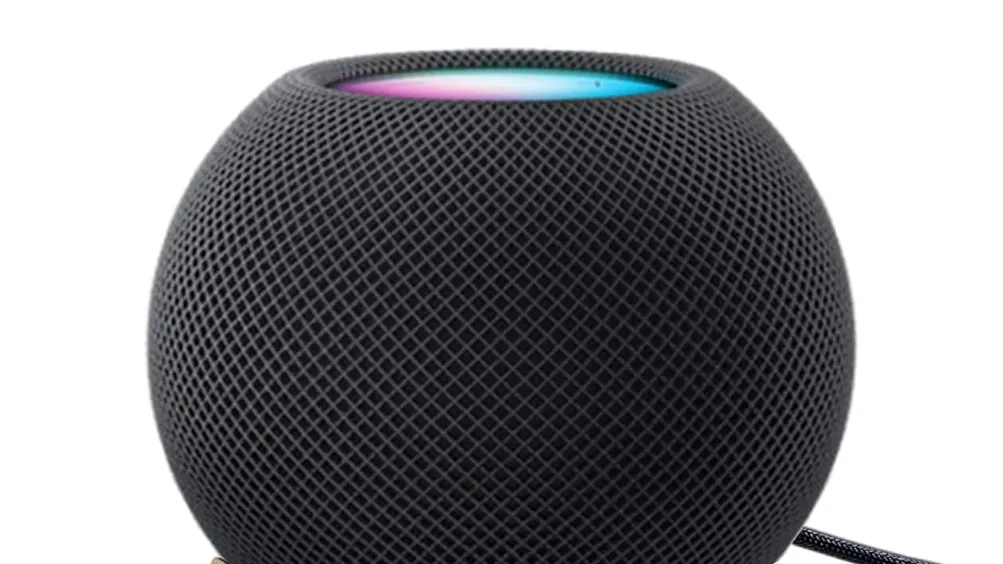
For audio quality, HomePod ($299) and HomePod Mini ($99) produce the best sound of any smart speaker at their respective price points. Echo Studio ($199) is the best Amazon speaker. The new Google Home Speaker ($100) has received positive early audio reviews relative to its price, though full comparative testing against Echo Dot Max is still accumulating. If sound quality matters most, Apple wins the hardware comparison at every price tier above $100.
Routines and Automations
Alexa+ Routines are the most mature and flexible. You can trigger a routine from a voice command, a schedule, a device state, a sensor reading, or an Alexa Guard event. Routines can control devices across brands, send announcements to multiple Echo speakers, and include conditional logic. The complexity ceiling is high and the visual builder in the Alexa app is accessible to non-technical users.
Google Home automations with Gemini represent a significant upgrade from the old Assistant-based model. Gemini can create automations from natural language descriptions - "turn off everything when I leave home" sets up a location trigger automatically - which removes the technical barrier that limited Google Home automation adoption. Advanced users can still use YAML-based scripting for complex logic.
Apple Shortcuts is the most powerful automation system of the three but requires the most setup effort. Built in a dedicated app, Shortcuts can be triggered by Siri, time, location, NFC, or app events. The power ceiling is nearly unlimited - a Shortcut can send emails, update spreadsheets, control HomeKit devices, and call external APIs in a single workflow. The combination of Shortcuts and Siri's Gemini-powered backend makes iPhone 17 the most capable automation platform available, at the cost of more setup time.
Device Ecosystems and Hardware Pricing
Amazon Echo Family (Alexa+)
Echo Dot Max - $100 - upgraded compact speaker, Alexa+ optimized
Echo Show 8 (4th gen) - $180 - 8-inch smart display with improved camera
Echo Show 11 - $220 - 11-inch display for medium kitchens and countertops
Echo Show 15 (2nd gen) - $279.99 - 15.6-inch wall-mounted family display
Echo Studio - $199.99 - best Amazon audio quality, Dolby Atmos
Google Nest / Home Family (Gemini)
Google Home Speaker - $100 - Gemini-native compact speaker (Spring 2026)
Nest Hub (2nd gen) - $99 - 7-inch smart display with Soli radar sleep tracking
Nest Hub Max - $229 - 10-inch display with camera for video calls and Familiar Face recognition
Apple HomePod Family (Siri + Gemini-backed)
HomePod Mini - $99 - compact with excellent sound, HomeKit hub, end-to-end encrypted
HomePod (2nd gen) - $299 - best smart speaker audio quality by any metric
Privacy Comparison
Privacy Factor | Alexa+ | Google Gemini | Siri (Apple Intelligence) |
|---|---|---|---|
On-device processing | No | Partial (Gemini Nano on Tensor G5) | Yes - most requests on Neural Engine |
Voice recordings stored by default | Yes | Yes | No |
Data used for ad targeting | Yes | Yes | No |
SmartHome data encrypted end-to-end | No | No | Yes (HomeKit) |
Can you delete all stored data? | Yes, manually | Yes, manually | Automatic - most processing never stored |
Third-party AI model access | Amazon Titan + third parties | Gemini models | Optional: Gemini or ChatGPT (user-triggered only) |
Verdict: Which Assistant for Which Use Case
Best for smart home with mixed device brands → Alexa+
No other platform comes close to Alexa's device library. If you have lights from one brand, a thermostat from another, a lock from a third, and sensors from a fourth, Alexa will support all of them. For Amazon Prime members, Alexa+ costs nothing extra - making it the best-value AI smart home assistant in 2026.
Best for general knowledge and deep AI reasoning → Google Gemini
Gemini on Pixel 10 and the new Google Home Speaker delivers the most capable conversational AI in any voice assistant form factor. It answers complex questions, handles multi-step reasoning, and integrates with Google Search, Maps, YouTube, and Gmail. For Workspace users, Gemini's integration into Gmail, Docs, and Drive is unmatched by either Alexa+ or Siri.
Best for privacy and personal context → Siri with Apple Intelligence
If you own iPhone 17 and Apple Watch Series 11, Siri delivers personal context capabilities that no other assistant can match - reading your emails, messages, calendar, and files entirely on-device. The Gemini and ChatGPT integrations are available when needed, always with explicit consent. HomeKit's end-to-end encryption and Apple's no-advertising-revenue business model combine for the strongest privacy posture in consumer AI.
Best audio hardware → Apple HomePod
HomePod ($299) remains the best-sounding smart speaker available. HomePod Mini ($99) matches or beats Google Home Speaker and Echo Dot Max on audio quality at the same price point. If you listen to music daily and audio fidelity matters, Apple's hardware wins every comparison.
Sources
Frequently Asked Questions
Can you use multiple assistants in the same home?
Yes, and many households do. Matter-certified devices work across all three ecosystems simultaneously. An Echo Dot Max in the kitchen, HomePod Mini in the bedroom, and Nest Hub in the living room can all control the same smart lights. There is no technical conflict, though each assistant only knows about devices added to its own app.
Is Alexa+ worth the $20/month for non-Prime members?
For Prime members it costs nothing extra, and the upgrade is meaningful - context retention, natural language home control, and proactive suggestions are genuinely useful. For people paying $20/month separately, the value depends on how heavily you use Alexa for conversational requests. The free Alexa tier handles smart home control and basic questions well. If you are paying $20/month for Alexa+ alone without Prime, consider whether Google Gemini (free on Android) or Siri (free on iPhone) meets your needs before subscribing.
What is the Google Home Speaker and how is it different from Nest Audio?
The Google Home Speaker ($100, Spring 2026) is Google's first smart speaker to run full Gemini natively rather than the older Google Assistant-on-speakers model. Nest Audio runs a scaled-down assistant that lacks Gemini's reasoning and conversational capabilities. Google Home Speaker brings Pixel-level Gemini quality to a standalone smart speaker for the first time, making it directly competitive with Echo Dot Max ($100) and HomePod Mini ($99) on both price and AI capability.
Which assistant works best with Matter devices?
All three fully support Matter as of 2026. Any Matter-certified device pairs with Alexa, Google Home, or Apple Home. Choose your assistant based on features and ecosystem fit - the hardware will work with whichever platform you pick. The one exception is camera AI: Nest camera AI features require Google Home, and Ring camera AI features require Amazon Alexa, regardless of Matter compatibility for basic device functions.
What is Gemini-powered Siri and how does it work?
Gemini-powered Siri is Apple's 2026 integration that brings Google Gemini's reasoning and real-time knowledge into Siri as an optional backend on iPhone 17 devices. When a query exceeds what Apple Intelligence can handle locally - complex factual questions, current events, extended reasoning - Siri offers to forward the request to Gemini. The request is sent without your Apple ID or identifying information attached, similar to how the ChatGPT integration works. You can also invoke Gemini directly. Most personal context queries (email, calendar, messages) continue to run fully on-device via Apple Intelligence. The ChatGPT integration remains available as an alternative for users who prefer OpenAI's models.