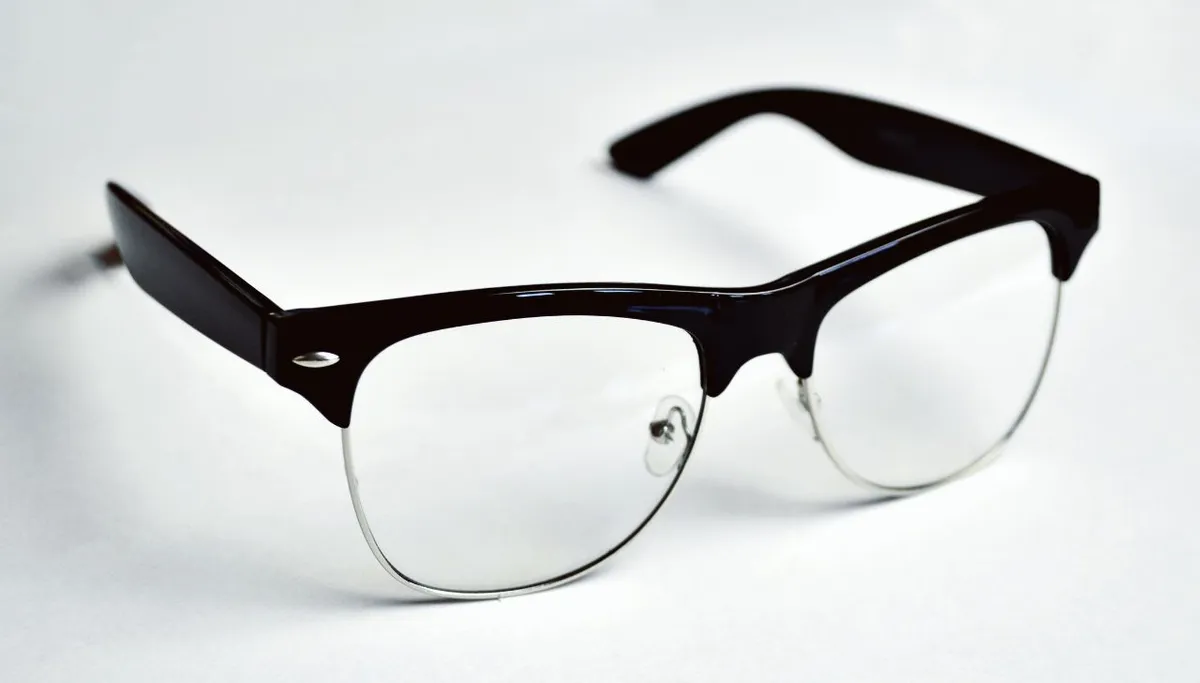
Right now Meta wins, because Apple has not entered. Meta held 69.2% of the smart glasses market in Q1 2026 and sold roughly 7 million pairs in 2025, while Apple has yet to announce a product.
Bloomberg's Mark Gurman reports Apple will unveil its glasses at WWDC in June 2027, with release expected by the end of that year. The surprise is what they reportedly will not have: a display.
Apple vs Meta Glasses Compared:
This table reflects what is confirmed for Meta and what is reported for Apple.
Factor | Meta | Apple |
|---|---|---|
Status | On sale, several generations | Not announced |
Expected timing | Available now | Unveil June 2027, release late 2027 |
Display model | Yes, Ray-Ban Display | None reported |
Cameras | Photo and video | Two sensors reported |
Market share, Q1 2026 | 69.2% | Zero |
Where Meta Glasses Stand Today:
Meta is not just leading, it is defining the category. Its nearest rivals in Q1 2026 were RayNeo at 3.4% and Xiaomi at 3.1%, which is not meaningful competition.
It has also moved past audio-only. The Ray-Ban Display puts a 600 × 600 screen in the right lens with a 20 degree field of view, brightness from 30 to 5,000 nits, and a wrist band that reads muscle signals for gesture control.
The category itself is growing fast. IDC counted 2.25 million display-less smart glasses shipped in Q1 2026, up 167% year on year, and forecasts 13.6 million for the full year.
What Apple Glasses Will Reportedly Do:
The device, codenamed N50, is described as audio-only. It reportedly relies on cameras, speakers and microphones rather than any lens projection.
Two camera sensors are reported, one for photo and video and one for computer vision. The stated uses are calls, AI questions, music and capturing images, which maps closely to Meta's current glasses rather than its display model.
Apple reportedly treats privacy as priority number one, and part of the delay is attributed to building those policies and features.
Why Apple Is Running Late:
The timeline already slipped. The glasses were originally planned for a late 2026 reveal and an early 2027 launch, which has moved roughly a year.
That delay matters more than it sounds. By late 2027 Meta will have had around four years of real-world iteration, sales data and software updates on a product Apple will be shipping for the first time.
Who Actually Has the Advantage:
Both sides have a genuine case, and the answer depends on which part of the product you weigh.
Meta's Head Start:
Multiple generations shipped, a 69.2% share, and a partnership with EssilorLuxottica that puts the glasses in normal eyewear stores. Meta also owns the frame brands people already want to wear.
Apple's Likely Edge:
Deep iPhone integration, a retail network, and a privacy reputation that matters for a face-worn camera. Apple also tends to enter late and still take the premium end, as it did with watches and earbuds.
Conclusion:
In Apple glasses vs Meta glasses, Meta has already won the first round on shipments and share. Apple's reported late 2027 audio-only debut will arrive against a rival that has moved on to displays, so judge the matchup once real hardware exists.
FAQs:
Q1: Should I wait for Apple glasses?
A: Not if you want glasses soon. A reported late 2027 release means roughly a year of waiting, and reported specs can change before launch.
Q2: Will Apple glasses have a screen in the lens?
A: Reportedly no. The first model is described as audio-only, so Meta would remain the only major brand offering an in-lens display.
Q3: Do Apple glasses need an iPhone?
A: Almost certainly. Apple ties wearables tightly to the iPhone, and current AI glasses from every brand depend on a paired phone for processing.
Q4: Is the smart glasses market big enough for both?
A: Yes, on current numbers. IDC expects display-less glasses to reach 27.3 million units by 2030, which leaves room for more than one winner.
Sources: IDC smart glasses market data, Q1 2026 and 2030 forecasts; Bloomberg reporting by Mark Gurman on Apple's N50 timeline, July 2026; EssilorLuxottica and Futurum sales figures; Meta Ray-Ban Display specifications.