Your smart speaker is not transcribing every conversation. It listens for a wake word, and only then starts sending audio away. That part of the worry is overblown.
The real problems are different and better documented: devices that trigger by accident, staff with far too much access to your footage, and privacy settings that quietly get taken away after you buy.
What Each AI Gadget Collects:
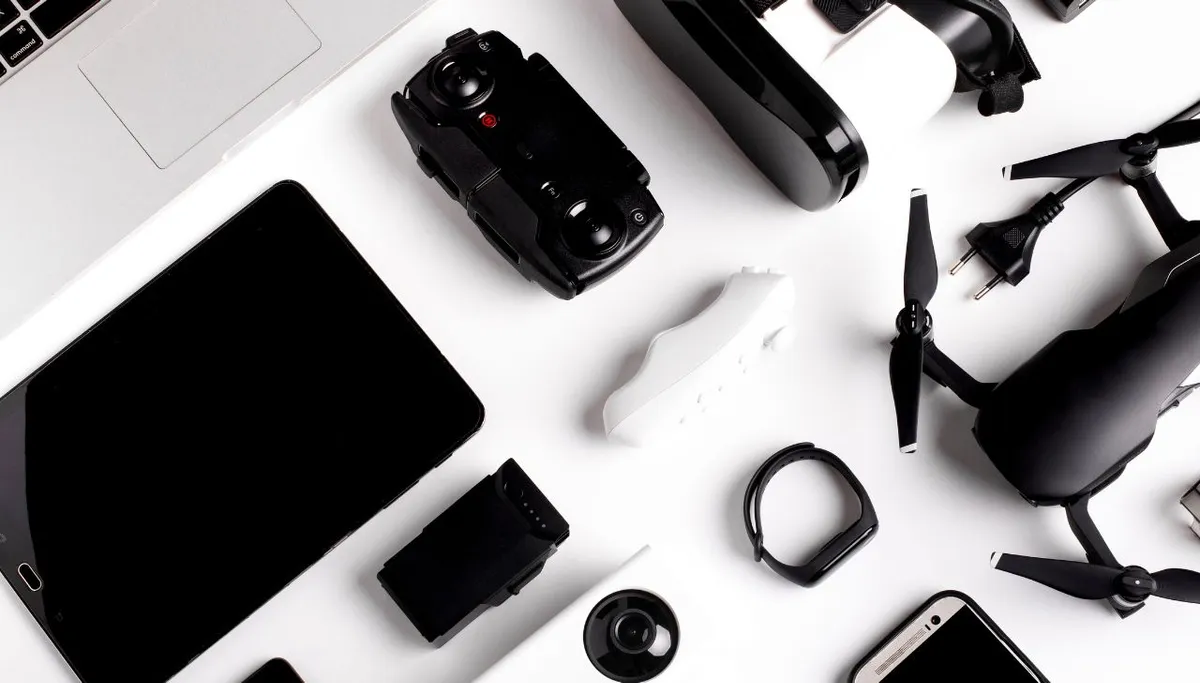
The risk depends on the sensor, so start by matching the device to what it gathers.
Device | What it collects | Main concern |
|---|---|---|
Smart speaker | Voice clips and text transcripts | Accidental recording |
Video doorbell | Video of your door and street | Who inside the company can watch |
AI glasses | Photos and video of other people | Bystanders never agreed |
Smart ring or watch | Heart rate, sleep, location | Health data in a breach |
AI toy | A child's voice, sometimes face scans | Long retention periods |
Do AI Gadgets Listen All the Time?
A microphone is always on, but the chip is only checking for a trigger phrase. Audio leaves the device after that phrase fires, which is why the false trigger is the thing to watch.
Researchers at Northeastern University tested seven smart speakers against 134 hours of television dialogue. One show, Narcos, set off 6.21 misactivations per 10,000 words spoken.
Length matters more than frequency. On several speakers, 10% of those accidental activations ran for 10 seconds or longer, which is enough to capture a full sentence you never meant to share.
Proven AI Gadget Privacy Failures:
These are not hypotheticals. US regulators have already fined major brands over them.
Camera Footage and Staff Access:
The FTC said Ring gave employees unrestricted access to customer video, letting staff and third-party contractors view, download and transfer footage for their own purposes. Ring agreed to pay $5.8 million and to a 20 year compliance order.
Children's Voice Recordings:
In a separate case, the FTC said Amazon kept children's Alexa voice and location data for years and failed to delete it when parents asked. Amazon agreed to pay $25 million and denied breaking the law.
Privacy Settings Can Disappear Later:
This is the concern buyers rarely consider. On March 28, 2025, Amazon switched off the "Do Not Send Voice Recordings" option that had kept Echo requests on the device.
Only three models ever supported it, and Amazon said it needed cloud processing for newer generative AI features. Owners who relied on that setting lost it without buying anything new.
Note too that a text transcript of each request already went to the cloud even when audio stayed local. Local processing was never as private as it sounded.
How to Reduce AI Gadget Privacy Risk:
Use the mute switch. A physical mic cut is the only control software updates cannot remove.
Delete voice history on a schedule. Transcripts often sit there until you clear them yourself.
Keep cameras out of private rooms. Never bedrooms or bathrooms, whatever the brand promises.
Check what processing happens locally. Our guide to on-device AI versus cloud AI explains the difference.
Reread the policy after big updates. Terms change, and so do defaults.
Conclusion:
The genuine AI gadgets privacy concerns are accidental recordings, overbroad staff access and settings that vanish after purchase. Pick devices with a hardware mute, clear deletion tools and as much local processing as you can get.
(FAQs):
Q1: Can I tell when my device is recording?
A: Usually yes. Speakers show a light ring and glasses use a privacy LED, though an accidental trigger lights up the same way as a real one.
Q2: Does deleting recordings remove everything?
A: Not always. Audio may go while transcripts or usage data remain, so check for separate history settings inside the app.
Q3: Are cheaper brands riskier than big ones?
A: Often, yes. Small makers rarely publish retention policies or security audits, and the fined cases above show big brands still fail.